Best Way to Clean a Wall: A Practical Guide
Learn proven methods to clean walls safely and effectively, with tips for different finishes, stain removal, and eco-friendly cleaners from Cleaning Tips.


The best way to clean a wall is to start with a light dusting or vacuum to remove loose dirt, then test a small area, and clean using a mild soap solution or specialized wall cleaner. Choose an option based on paint type (washable latex vs. matte), avoid abrasive pads, and rinse with clean water as needed.
Before You Start: Assess the Wall and Gather Supplies
According to Cleaning Tips, the best cleaning plan starts with assessing the wall and gathering the right tools. Different finishes require different approaches, and a quick check now saves time later. Identify whether you’re cleaning a painted surface, wallpaper, or textured plaster, and note the finish type (matte, satin, eggshell, or high-gloss). Gather supplies such as microfiber cloths, soft sponges, a bucket, mild soap or a gentle wall cleaner, a spray bottle, a ladder or sturdy step stool, and a floor drop cloth. Patch-test any cleaner in a hidden area before proceeding. Clear the room of furniture or move items away from the wall, cover the floor with a drop cloth, and remove any nails or wall décor that could snag cloths.
Prep also means dusting first with a microfiber cloth or vacuum brush to remove cobwebs and loose dirt. This prep reduces the risk of spreading grime during cleaning and helps you see stains more clearly.
According to the Cleaning Tips approach, take notes on wall type and finish so you can tailor the method for best results. A quick inspection at the start can prevent costly mistakes later.
Choosing Cleaning Agents by Wall Type
Different wall types demand different cleaners. Based on Cleaning Tips analysis, start with the mildest option first. For washable latex or semi-gloss finishes, a solution of warm water and a drop of mild dish soap is usually enough. For flat or matte finishes, minimize moisture to avoid streaks, and consider a gentle, pH-neutral cleaner designed for painted walls. If you’re cleaning wallpaper, especially vinyl or washable varieties, use only a damp cloth with a little soap; avoid soaking. For brick, plaster, or textured surfaces, use a soft brush or sponge rather than a harsh pad. Never mix cleaners with bleach unless the label explicitly permits it, and always work in a well-ventilated area. A pH-neutral cleaner is a safe default choice and reduces risk to delicate surfaces. By choosing the right agent, you’ll protect the wall’s finish and reduce the chance of damage later. For high-traffic areas, consider a maintenance routine that uses milder cleaners more frequently rather than harsh scrubbing.
If you’re cleaning wallpaper, check the pattern’s care instructions first; some wallpapers are delicate and require only a light damp wipe. Cleaning Tips’s guidance emphasizes testing on a hidden patch whenever you’re unsure.
Basic Cleaning Technique: From Top to Bottom
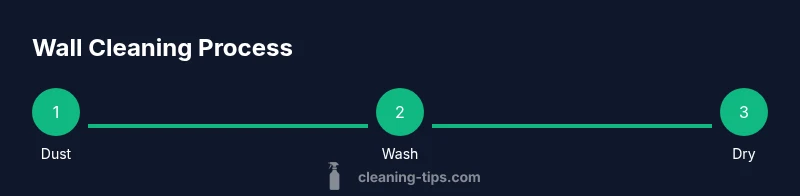
The simplest, most reliable method is to work from the top of the wall down, in manageable sections. Lightly dust or vacuum the wall first to remove surface dust and cobwebs. Prepare your cleaning solution, then lightly dampen a microfiber cloth. Wipe in gentle, even strokes, moving horizontally or vertically depending on your wall’s texture, and always rinse the cloth frequently to avoid redistributing dirt. For large, smooth areas, a spray bottle helps apply a fine mist rather than soaking the surface. Rinse with a clean, lightly damp cloth as you progress to remove any soap residue. Dry the area with a clean, dry microfiber to prevent streaks and watermarks. This routine minimizes moisture exposure and preserves paint integrity. If you encounter stubborn spots, pause and re-test on a hidden area before continuing. See diagram for top-to-bottom flow.
Regularly switching to a fresh cloth prevents re-depositing grime and helps you see progress more clearly. Keeping a steady pace also reduces the risk of missed spots.
Handling Tough Stains: Spot Cleaning and Gentle Scrubbing
Stubborn marks like fingerprints, scuffs, or food smudges may require targeted spot cleaning. Start by applying a small amount of cleaner to a microfiber cloth and dab rather than scrub. For ink or dye stains, avoid harsh scrubbing; instead, rinse and reapply with a lighter touch. For cooking oil splatters on kitchen walls, use a small amount of dish soap and warm water and work from the outside edge toward the center to prevent spreading. If a stain persists after a few gentle attempts, retreat and re-test on a hidden area or consider a professional cleaning method that’s appropriate for your wall type. Persistence with care yields cleaner walls without damage. Do not apply heavy pressure on wallpaper seams or plaster textures to prevent tearing or gouging.
Some stains require patience; in those cases, let the cleaner sit for a minute before damp-wiping again to maximize lift.
Special Surfaces: Painted Walls, Wallpaper, and Shellac
Painted walls respond best to mild cleaners and soft tools. Avoid abrasive pads that can scratch the finish. Wallpaper requires respect for its pattern and material; check the care instructions first. Vinyl wallpapers tolerate light damp cleaning, but silk or grasscloth varieties may require specialized methods or professional care. For shellac, glossy, or enamel finishes, you may need a slightly stronger solution but avoid saturating the surface. Always test a hidden patch before widespread cleaning, and never soak the substrate. If you’re unsure, consult manufacturer guidelines or seek professional advice. The goal is clean walls without warping, discoloration, or edge peeling. When in doubt, acknowledge that some surfaces—like certain wallpapers or vintage shells—may require professional refinishing rather than DIY cleaning.
Safety and Maintenance: Protecting Your Walls and Your Health
Ventilate the room well and wear gloves to protect your skin from cleaning solutions. Always patch-test a small area before a full-clean and wait a minute to ensure color or texture won’t bleed. Use clean, dry tools for final drying to prevent streaks. If you’re cleaning a high wall, use a sturdy ladder and have a helper nearby to hold it steady. After cleaning, inspect the wall for any moisture damage, warping, or discoloration and address issues promptly to prevent further problems. Store cleaners out of reach of children and pets. Routine maintenance, including dusting every couple of weeks and quick damp-wipes every month, helps walls stay fresh between deeper cleanings.
Common Mistakes to Avoid
Avoid over-wetting walls, which can cause paint to bubble or wallpaper to peel. Don’t scrub aggressively; this can abrade or wear away finishes. Never use abrasive cleaners on glossy or delicate surfaces. Avoid mixing ammonia with bleach, which produces dangerous fumes. Don’t neglect a test patch—color bleed and finish damage may not be immediately visible. Finally, never clean a wall that shows signs of moisture damage or mold without first addressing the underlying issue. If in doubt, start with the least invasive approach and document results for future reference. By planning a measured approach, you reduce the risk of damage and improve outcomes.
Quick Cleanup Routine for Quick Refreshes
When you want to refresh a space quickly, skip deep-cleaning and stick to dusting and light spot cleaning. Wipe down walls from top to bottom with a lightly damp microfiber cloth and a mild soap solution, focusing on fingerprints and scuffs. Dry with a clean microfiber cloth to prevent streaks. This routine takes only a few minutes and leaves walls looking refreshed without risking finishes. Keep a small kit handy in hallways or entryways for fast touch-ups between deeper cleanings.
Testing Your Method and Long-Term Care
Set up a routine: test any cleaner on a hidden area first, then re-check in 24 hours for any adverse effects. Keep a log of cleaners used and outcomes to guide future cleaning. For ongoing wall care, incorporate brief quarterly sessions to dust, spot-clean, and inspect for moisture issues or peeling wallpaper. Regular, gentle care extends wall life and keeps colors vibrant. Cleaning Tips recommends this proactive approach to keep walls looking their best without damage. If a wall shows persistent issues, consider consulting a professional to avoid further damage.
Tools & Materials
- Microfiber cloths(at least 2 large, 2 small for details)
- Soft sponges(non-abrasive surface-safe sponges)
- Bucket(for water and cleaners)
- Mild dish soap(dilute 1-2 teaspoons per gallon of water)
- Water(warm is preferred but not hot)
- Spray bottle(helps apply cleaner to larger areas)
- Ladder or sturdy step stool(stable and secured for reaching high walls)
- Drop cloth or old towels(protect floors and furniture)
Steps
Estimated time: 60-90 minutes
- 1
Prepare the area
Clear the room, remove or cover furniture, and lay down drop cloths. Place a small supply station nearby so you don’t have to repeatedly bend down. This step reduces mess and makes the cleaning flow smoother.
Tip: Keep a helper nearby for moving heavier items and for safe ladder use. - 2
Dust the wall surface
Use a microfiber cloth or a vacuum with a soft brush to remove loose dust and cobwebs. Start at the top and work downward in vertical passes to prevent re-depositing dirt on clean areas.
Tip: Dusting first prevents mud from forming when you moisten the cloth later. - 3
Mix your cleaning solution
Prepare a mild soap solution: warm water with a small amount of dish soap or a dedicated wall cleaner. In general, use the mildest solution that lifts the dirt.
Tip: Test the solution on a hidden patch before wider use. - 4
Test a small patch
Dampen a corner of the wall with the solution and blot with a cloth. Wait 60 seconds to ensure there’s no color bleed or texture change.
Tip: If color bleeds, switch to a milder cleaner or water-only cleaning. - 5
Clean in sections top-to-bottom
Wipe each section with a damp microfiber cloth, using gentle strokes. Rinse the cloth frequently and switch to a clean area as you work.
Tip: Avoid soaking the wall; moisture can intrude behind wallpaper or paint. - 6
Rinse and dry the surface
Wipe the area with a clean, lightly damp cloth to remove soap residue, then dry with a microfiber cloth to prevent streaks.
Tip: Drying immediately prevents water marks and preserves finish. - 7
Address stubborn stains
If stains persist, dab with a small amount of cleaner and re-wipe. Do not scrub vigorously to protect texture or wallpaper.
Tip: Some stains require repeating the test patch after small adjustments. - 8
Inspect and store
Once dry, inspect for missed spots, moisture, or warping. Store cleaners safely and reassemble room.
Tip: Take a photo for future reference of wall condition before cleaning.
Questions & Answers
What walls can you safely clean?
Most washable finishes can be cleaned safely; for delicate wallpapers or unsealed surfaces, use gentler methods or consult the manufacturer.
Most washable walls are safe to clean with mild cleaners; test patches first on delicate surfaces.
Can I use bleach or ammonia on walls?
Bleach and ammonia can discolor or damage certain finishes. Avoid mixing cleaners and never apply strong chemicals to wallpaper unless the care label allows it.
Avoid bleach or ammonia on walls unless the label explicitly allows it.
How do I test a wall before cleaning?
Always test a cleaner on a small, hidden patch before cleaning the entire wall to prevent color bleed or finish damage.
Test a small spot first to avoid surprises later.
What about wallpaper safety?
Most wallpapers tolerate light damp cleaning if the surface is vinyl or washable. Delicate textures may require professional care.
Check the wallpaper care instructions before cleaning, especially for silk or grasscloth patterns.
How can I clean high walls safely?
Use a sturdy ladder with a helper to stabilize it. Never overreach; move the ladder instead of leaning.
Stay grounded and use a helper when cleaning hard-to-reach areas.
What should I do about persistent moisture or mold?
Do not continue cleaning if you see active moisture or mold. Address moisture sources and mold first, or consult a professional.
If you see mold, fix the moisture issue first and consider professional help.
Watch Video
The Essentials
- Test cleaners on hidden patches first.
- Start with mild solutions for most walls.
- Wipe from top to bottom to avoid streaks.
- Avoid over-wetting wallpaper and textured surfaces.
- Dry completely and inspect for damage after cleaning.