Clean Pool Service: How to Clean and Maintain Your Pool Efficiently
Learn how to choose, schedule, and maintain clean pool service with practical steps, essential tools, safety tips, and when to hire pros. A practical guide by Cleaning Tips for homeowners and renters seeking healthy, inviting pools.


A clean pool service aims to keep water clear, safe, and inviting through regular chemical balancing, debris removal, and equipment checks. This guide outlines what a professional service covers, how to prepare your pool for maintenance, and a practical DIY routine for between visits. You’ll learn about water testing, balancing pH and sanitizer levels, cleaning surfaces, and scheduling to protect your pool and equipment over time.
What clean pool service means and why it matters
A clean pool service focuses on keeping water chemistry balanced, debris-free surfaces, clean filters, and properly functioning circulation equipment. It combines regular on-site cleaning with proactive maintenance to prevent algae growth, cloudy water, and equipment wear. For homeowners, a clean pool service reduces the risk of skin and eye irritation, protects filtration systems, and extends the lifespan of pumps and heaters. Maintaining a clean pool isn't just about aesthetics; it's about safety, hygiene, and long-term cost savings. According to Cleaning Tips, a systematic service plan is more effective than ad-hoc cleaning because it creates measurable water quality benchmarks and predictable maintenance rhythm. When you invest in a reliable routine, your pool stays ready for use with minimal downtime. The right routine also minimizes chemical waste and helps maintain stable sanitizer levels, which matters for families with children and pets.
Maintaining a clean pool is a partnership between you and your service provider. You set expectations, learn the baseline chemistry, and monitor results between visits. By understanding what a clean pool service covers, you can ask informed questions about equipment checks, filtration cycles, backwashing schedules, and chemical dosing. A clear plan helps you avoid over-treating water or under-cleaning surfaces. The goal is steady water clarity, balanced chemistry, and a healthy pool environment that invites every member of the household to swim safely.
Benefits of regular pool service (professional or DIY)
Regular pool service yields safer water, lower maintenance costs, and better energy efficiency. With consistent water testing, you prevent algae blooms and mineral buildup that force expensive chemical fixes later. Clean pool service also reduces visible debris on the surface and eliminates the sun’s bleaching effect on liner and plaster. From a health perspective, well-balanced disinfectants minimize the risk of skin irritation, eye redness, and swimmer's itch. For homeowners, consistent service means fewer emergency visits to address equipment failure or water chemistry swings, and more time enjoying the pool.
The Cleaning Tips team notes that routine service improves filtration performance by keeping the pump and filter system from working harder than necessary. When the pool is properly circulated, chlorine or other sanitizers distribute evenly, and you avoid dead zones in the water. Routine maintenance also extends equipment life by preventing scale buildup, worn seals, and clogged lines. Finally, a predictable service cadence makes budgeting easier, so you can plan for seasonal chemical purchases and filter cleanings rather than reacting to problems as they appear.
Core tasks typically included in a clean pool service
A comprehensive clean pool service covers five core areas: water testing and balancing, debris removal, surface cleaning, filtration and circulation checks, and equipment inspection. Tests usually include pH, total alkalinity, calcium hardness, and sanitizer levels. The technician adjusts chemicals to bring values within recommended ranges and notes any readings that stray from the target. Debris removal includes skimming the surface, sweeping the bottom, and removing leaves or insects that can clog the skimmer.
Surface cleaning focuses on tile, liners, and the waterline to prevent buildup that can harbor algae. Filtration and circulation checks ensure the pump runs smoothly, the filter is clean, and there are no leaks. Equipment inspection includes checking valves, seals, and automatic cleaners, and verifying timers or automation settings. If a problem is detected, the service plan should outline a recommended remedy and whether a professional repair is required. Following these tasks consistently creates a clean pool service that customers can rely on.
Tools and supplies every pool owner should have
Before you start, assemble a basic set of tools and supplies. A portable, labeled pool test kit with strips or digital readers helps you track chemistry; keep a log of readings for reference. A sturdy skimmer net, a pool brush with stiff bristles, and a telescoping pole reduce the need for bending and make routine cleaning easier. A data-capable chlorine or sanitizer product and pH adjusters should be on hand, along with a backup backwash or filter cleaning kit. For safety, wear chemical-resistant gloves, goggles, and a mask when handling sanitizers and algaecides. If your pool has advanced features like a saltwater system, you may require a salt test kit and dedicated tools for the chlorine generator. Optional but helpful items include a submersible pool vacuum, an automatic cleaner, and a small wrench for filter access. Keeping all tools organized in a labeled tote helps you maintain a steady cleaning routine.
DIY weekly maintenance routine: overview
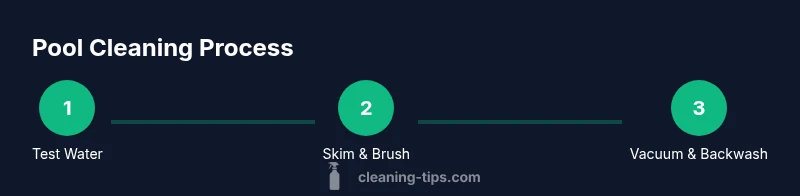
A practical weekly routine blends quick daily checks with a deeper once-per-week clean. Start by testing water chemistry and balancing pH, alkalinity, and sanitizers. Skim the surface for leaves, brush the walls to prevent algae, and vacuum the floor if debris has settled. Rinse or backwash the filter according to the manufacturer’s schedule, and retest water to confirm balance. Record readings and any adjustments so you can spot trends over time. This approach keeps your pool welcoming and reduces the risk of emergency repairs.
If you’re using saltwater or mineral systems, perform routine checks on the generator and replace or clean cartridges as recommended. A clean pool service routine also includes reviewing equipment timers, checking for leaks, and ensuring the pump operates quietly and efficiently. By maintaining a consistent cadence, you minimize chemical waste and stabilize water quality for a more enjoyable swim.
Safety, chemicals, and storage best practices
Handling pool chemicals requires respect for potential hazards. Always read label directions before mixing products, and never combine sanitizers with acids or algaecides unless explicitly instructed. Wear PPE—gloves, goggles, and a respirator if needed—and work in a well-ventilated area. Store chemicals in a cool, dry place away from direct sunlight and children or pets. Label containers clearly and keep a spill kit handy. If a chemical spill occurs, evacuate the area and follow manufacturer guidance or contact a local poison control line. Keeping safety first protects your home and your family during every cleaning session.
Seasonal tips: opening in spring and winterizing in fall
Opening a pool in spring begins with a thorough pre-season check: clean the deck, inspect cover and coping, test water chemistry, and ensure circulation is ready for the coming season. As you ramp up, schedule a professional service or roll out your DIY routine to achieve balanced water before swimmers arrive. In autumn, perform a gradual shutdown: reduce chemical usage, clean filters, backwash, and cover the pool securely. Winterizing depends on climate but often includes lowering water level, protecting plumbing, and maintaining a freeze protection plan. Regular checks prevent costly startup issues when temperatures rise.
When to hire a professional and what to expect
Hiring a professional clean pool service is beneficial when you lack time, need advanced equipment, or face persistent chemistry or equipment issues. A professional can perform full water testing, calibrate complex systems, clean hard-to-reach areas, and diagnose equipment problems. Typical service frequencies range from weekly to monthly, depending on pool usage and climate. Expect a written service plan, transparent pricing, and a clear list of recommended repairs or upgrades. Cleaning Tips analysis shows that regular maintenance by qualified professionals helps prevent costly repairs and maintains water quality over time. The goal is to establish a reliable baseline you can trust season after season.
Troubleshooting common pool issues and red flags
Common issues include persistent cloudy water, persistent algae growth, strong chemical odors, and uneven sanitizer distribution. If water remains cloudy after balancing, check for filter issues, poor circulation, or test kit mistakes. Algae requires scrubbing, brushing, and possibly algaecide treatment, especially in warm climates. A strong chemical odor often signals over-chlorination or improper pH; re-balance and rinse surfaces. Red flags such as leaks, pump noise, or timer malfunctions require prompt inspection. Regularly reviewing readings and maintenance logs helps you catch problems early and avoid costly downtime. The more you stay proactive, the less you’ll rely on reactive fixes and emergency call-outs.
Tools & Materials
- Pool test kit (digital or strips)(Test pH, alkalinity, calcium hardness, sanitizers)
- Skimmer net(For surface debris)
- Pool brush with stiff bristles(Brush tile lines and walls)
- Telescoping pole(Extends reach for brushing and skimming)
- Chlorine or sanitizer chemicals(Follow label directions)
- pH increaser/decreaser(Keep pH in 7.2-7.6 range)
- Backwash kit or filter cleaner(Clean or backwash per manufacturer)
- Goggles, gloves, mask(Personal protective equipment)
- Optional submersible vacuum or automatic cleaner(For difficult debris)
- Salt test kit (if using saltwater system)(Check generator performance)
Steps
Estimated time: 60-90 minutes
- 1
Prepare area and safety gear
Put on PPE, clear the deck, and gather all tools. Check local weather and ensure water and chemical storage is secure.
Tip: Verify you have the latest safety data sheets for all chemicals before use. - 2
Test water and balance chemicals
Use the test kit to measure pH, alkalinity, calcium hardness, and sanitizer levels. Adjust pH first, then balance alkalinity and sanitizer.
Tip: Keep a log of readings to identify trends over time. - 3
Skim and remove debris
Skimming removes surface debris; sweep the shallow end and the deep end as needed to prevent clogs.
Tip: Do not let debris accumulate; clear it before brushing. - 4
Brush walls and floor
Brush tile lines and interior surfaces to prevent algae; focus on corners and steps where buildup starts.
Tip: Brush in a vertical motion for walls; diagonal strokes for corners. - 5
Vacuum the pool
Vacuum the bottom to collect settled debris; use manual or automatic cleaners as appropriate.
Tip: Start from the farthest point and work toward the drain to avoid recontamination. - 6
Clean or backwash the filter
Backwash or clean filter media; ensure proper flow and pressure after cleaning.
Tip: Consult your equipment manual to avoid over-backwashing. - 7
Retest and adjust as needed
Recheck water chemistry after cleaning activities and adjust sanitizer and pH if necessary.
Tip: Record final readings and schedule the next maintenance check.
Questions & Answers
What is included in a professional clean pool service?
A typical service includes water testing, chemical balancing, debris removal, brushing, vacuuming, filter maintenance, and equipment inspection. Frequency varies by climate and usage.
Professional services typically include water testing, chemical balancing, debris removal, and equipment checks. Frequency depends on pool use and climate.
How often should I schedule clean pool service?
Most pools benefit from weekly visits during peak season and less frequent visits in off-peak times. Your schedule should align with pool usage and local climate.
Weekly visits are common in peak season, with less frequent visits otherwise. Tailor it to your pool use and climate.
Can I do it myself instead of hiring a service?
Yes, DIY cleaning is possible with proper knowledge and safety. You can handle routine maintenance, but complex issues or equipment faults may require a pro.
You can DIY routine cleaning, but call in a pro for complex equipment or persistent problems.
What are common signs you need service?
Cloudy water, algae growth, strong chemical odors, or inconsistent test results indicate the pool needs service and retesting.
Cloudy water or algae or odd smells are red flags that you should service soon.
Are there risks in handling pool chemicals?
Yes. Always read labels, wear PPE, and store chemicals safely away from children and pets. Never mix products unless the label instructs you to.
Yes—handle with care, wear PPE, and follow label directions exactly.
How should I choose a pool service provider?
Look for licensing, insurance, online reviews, and transparent testing methods. Ask for a written service plan and a clear pricing structure.
Choose licensed, insured providers with clear testing methods and written plans.
Watch Video
The Essentials
- Establish a regular cleaning schedule and log results.
- Balance pH and sanitizer before swimmers enter the pool.
- Keep equipment in good condition to extend life and performance.
- Use proper PPE and safe storage for all chemicals.
- Know when to call a professional for persistent issues.