How to Clean an Above-Ground Pool: Step-by-Step Guide
Learn a practical, step-by-step method to clean an above-ground pool, balance water chemistry, protect equipment, and enjoy crystal-clear water.


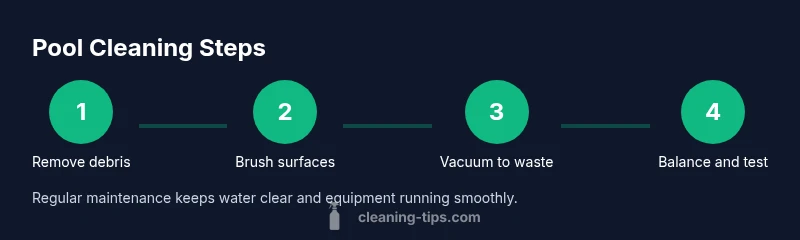
To clean an above-ground pool, you’ll vacuum the bottom, brush the walls, clean the filter, and balance the water chemistry. Gather a pool vacuum, brush, replacement cartridges, test kit, non-abrasive cleaner, skimmer net, and a hose. Start by removing debris, brushing surfaces, vacuuming to waste if possible, then rinse and replace the cartridge, finally test and balance pH, alkalinity, and sanitizers.
Why cleaning above ground pool matters
A clean, inviting pool is not just about looks; it’s about health, comfort, and ease of maintenance. When you clean above ground pool regularly, you remove leaves, insects, and organic debris before they decay and fuel algae growth. This keeps water clearer and reduces the amount of chemical you need to add to keep sanitizers effective. Regular brushing of the walls and floor helps prevent staining and makes filtration work more efficiently. The Cleaning Tips team emphasizes that consistency beats sporadic efforts: a simple weekly routine is much easier to sustain than a long, all-at-once cleaning session. By keeping debris low and surfaces brushed, you reduce strain on the pump and extend the life of the liner and filter cartridge. If you want to clean above ground pool effectively, start with a predictable rhythm that covers debris removal, brushing, filtration checks, and water testing. With time, you’ll notice fewer cloudy days and faster turnaround between swims, especially during hot weather when algae can take hold quickly.
According to Cleaning Tips, maintaining a clean pool is easier when you set a repeatable schedule and follow it with purpose. The team’s experience shows that small, frequent cleanings prevent big problems later, saving time and money while keeping water safe for family swims.
Essential tools and materials
Before you start, assemble the essential gear. Having the right tools ready saves time and prevents damage to the liner. Gather these items and keep them within easy reach during the cleaning session. This list focuses on safe, non-abrasive cleaning that preserves vinyl and metal fittings.
- pool vacuum (manual or pole-attached) — required true; attach to a pole for reach
- pool brush — required true; nylon bristles are best for vinyl
- skimmer net — required true; for surface debris
- replacement filter cartridge or sand/media — required true; depends on system
- test kit or strips — required true; test pH, alkalinity, sanitizer
- pool-safe non-abrasive cleaner — required true; avoid harsh chemicals
- hose or siphon — required true; for rinsing and backwash
- protective gloves — optional but recommended
- safety goggles — optional but helpful
- towels or absorbent rags — optional for spills or drips
Cleaning routines by season
Seasonal patterns help you plan your cleaning. In warm months, debris and pollen increase, and algae growth accelerates with sunlight. Shoulder seasons benefit from lighter, but consistent, maintenance. A practical weekly routine includes debris removal, brushing, and vacuuming at least once per week, plus water testing. After heavy rainfall or wind, skim more often and run the pump longer to clear sediment. Daily habits such as a quick surface skim in the morning and a quick check of your chemical levels help you stay on top of maintenance without turning pool care into a full-day task. The key is to keep tasks small, repeatable, and visible, so you can enjoy the water rather than worry about it.
The Cleaning Tips guidance supports a seasonally adaptable plan: more frequent brushing during peak sun and heat, and a quick maintenance check between weekend swims. By tying tasks to simple triggers (weather, guest visits, or water clarity), you’ll sustain a clean above ground pool with less effort over time.
Chemical balance basics
Chemical balance isn’t mysterious; it’s a routine you can master. The general targets include pH around 7.4–7.6, total alkalinity roughly 80–120 ppm, and sanitizer (chlorine or non-chlorine) within your pool system’s recommended range. Use a reliable test kit and adjust promptly when readings drift. If pH rises, add a pH reducer; if it drops, add a pH increaser. Stabilizing alkalinity helps keep pH steady and reduces frequent adjustments. After heavy rain, shock treatment may be necessary to restore sanitization. Always follow product directions and avoid mixing chemicals. Regular balance—balanced water feels more comfortable on skin and eyes and helps equipment run efficiently. Cleaning Tips emphasizes that consistent maintenance yields better water quality with less chemical waste and less risk of irritation.
Troubleshooting common issues
Pool water that looks cloudy, green, or has visible algae requires a targeted approach. Cloudiness is often caused by insufficient filtration, high bather load, or organic debris; brushing, vacuuming, and checking the filter can clear it. Algae indicates sanitization is too low or filtration is impaired; shock the pool and run the pump longer to circulate. If the filter clogs frequently, clean or backwash, and verify the pump is appropriately sized for your pool. Stains on the liner hint at mineral or metal buildup or imbalanced chemistry, so brush promptly and test for metals or adjust chemical levels as needed. The Cleaning Tips team notes that a steady cleaning rhythm helps you catch issues early, preventing costly repairs and ensuring healthier water.”],
Tools & Materials
- pool vacuum(Choose a model compatible with your pole and pool size with a flexible hose.)
- pool brush(Nylon-bristle brush is best for vinyl liners to avoid scratches.)
- skimmer net(Keep handy for daily surface debris.)
- replacement filter cartridge or media(Have an extra on hand to minimize downtime.)
- test kit or strips(Test pH, total alkalinity, and sanitizer regularly.)
- pool-safe non-abrasive cleaner(Avoid harsh chemicals that can damage vinyl.)
- hose or siphon(For rinsing and backwashing as needed.)
- protective gloves(Helps keep hands dry and protected.)
- safety goggles(Optional, but recommended for chemical use.)
Steps
Estimated time: 60-90 minutes
- 1
Remove surface debris
Use a skimmer net to remove leaves, insects, and large debris from the surface. Start at the far end of the pool and work toward you to prevent re-depositing debris.
Tip: Skim before brushing to keep debris from settling on freshly cleaned surfaces. - 2
Brush interior surfaces
Brush the walls and floor to dislodge algae and dirt. Use slow, steady strokes; pay attention to corners and stairs where buildup starts.
Tip: Brush from the top down to prevent debris from falling back into the water. - 3
Vacuum to waste (or filter)
Vacuum slowly in a grid pattern, aiming to pick up debris and sediment. If your setup allows, vacuum to waste to avoid overloading the filter.
Tip: If you can’t vacuum to waste, vacuum to the filter and backwash afterward. - 4
Clean or replace the filter
Remove and rinse or replace the cartridge as recommended by your manufacturer. A clogged filter reduces circulation and clarity.
Tip: Rinse cartridges with clean water only; avoid using hot water or a brush that could damage the media. - 5
Backwash or rinse the system
If you have a sand or DE filter, backwash according to the product guidance. For cartridge filters, a thorough rinse is often enough to refresh flow.
Tip: Backwash time depends on pressure rise; listen for a change in water clarity and flow. - 6
Test and balance chemistry
Test pH, total alkalinity, and sanitizer. Make small adjustments to bring readings into target ranges and prevent irritation or cloudy water.
Tip: Stabilize alkalinity first to reduce pH swings. - 7
Shock and sanitize if needed
If the water looks dull or you’ve had heavy use, perform a shock treatment per product directions to restore clarity and sanitation.
Tip: Never mix shock with other sanitizers in the same container. - 8
Final check and cover
Conduct a final skim, test again, and ensure all components are functioning. If you’re closing for season, cover the pool securely.
Tip: Document readings and steps so you can replicate the routine next time.
Questions & Answers
How often should I clean an above-ground pool?
Aim for a basic weekly cleaning during swimming season, with extra skim/brush after storms or heavy use. Regular checks keep water clear and equipment working.
Aim for a weekly clean during the season, plus extra surface skim after storms to keep water clear.
Do I need to drain the pool to clean it deeply?
In most cases you can clean thoroughly without draining. Deep cleaning is done with brushing, vacuuming, and filter maintenance while water stays in the pool.
Usually you can deep clean without draining the pool; brushing, vacuuming, and filter care do the job.
What equipment is essential for weekly cleaning?
A pool vacuum, brush, skimmer, test kit, and a clean filter cartridge are the core tools for weekly cleaning.
You need a vacuum, brush, skimmer, test kit, and a clean filter cartridge for weekly cleaning.
How do I know when to shock the pool?
Shock the pool after heavy use, rain, or if the water looks dull or algae appears. Follow product instructions and don’t overdo it.
Shock when the water looks dull, after heavy use, or after storms, following the product directions.
What safety precautions should I follow?
Wear gloves when handling chemicals, store products safely, and never mix products in a container. Work in a well-ventilated area.
Wear gloves, store products safely, and avoid mixing chemicals; work in a well-ventilated space.
If algae returns after cleaning, what should I do?
Reassess filtration, balance, and sanitation levels. Shock the pool if needed and consider a weekly maintenance boost until the issue subsides.
If algae returns, check filters and sanitizer levels, then consider a booster shock.
Watch Video
The Essentials
- Establish a simple weekly cleaning rhythm.
- Balance water chemistry for comfort and equipment longevity.
- Use the right tools to protect vinyl and filtration.
- Keep records of tests and maintenance for future sessions.