Clean Start: How to Build a Fresh Cleaning Routine
Discover a practical clean start method to reset your home routine with step-by-step guidance, essential tools, safety tips, and simple maintenance habits.


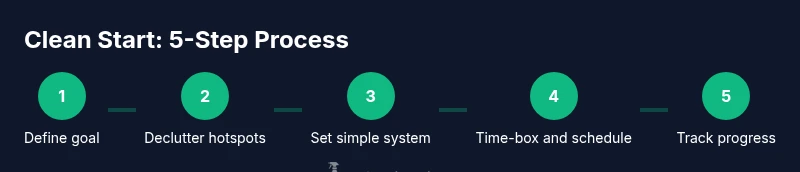
With a true clean start, you reset your home by establishing a simple system: declutter any clutter hotspots, pick a repeatable cleaning routine, and schedule it. Begin with a one-week plan: 15 minutes of daily tidy-up, a weekly deeper clean, and a monthly reset. Gather essential tools, define safe storage, and set realistic goals. Consistency and safety lead to lasting results, not perfection.
Why a clean start matters for households
A true clean start helps your home feel calmer and more manageable. By focusing on a simple system, you reduce decision fatigue and keep expectations realistic. The phrase clean start is more than a slogan—it's a practical approach that centers on decluttering, scheduling, and safe storage to improve air quality, hygiene, and daily comfort. According to Cleaning Tips, adopting a structured start reduces overwhelm and creates sustainable momentum. A well-executed clean start acts like a reset button for busy lives, enabling you to reclaim time, reduce stress, and enjoy a healthier living environment. When you prioritize consistency over perfection, you create a baseline you can maintain even on the busiest days.
As you begin, remember that small, repeatable actions compound over time. The goal is not a flawless space but a reliable process you can repeat with confidence. A solid start reduces the likelihood of clutter pileups and makes future cleans faster and more efficient. Your home will feel lighter, airier, and more inviting as surface areas stay clear and routine tasks become automatic.
The core elements of a clean-start system
A robust clean-start framework comprises three core pillars: decluttering, routine design, and tool organization. Decluttering reduces noise and makes cleaning tasks clearer. A repeatable routine eliminates guesswork and helps you stay on track. Properly organizing supplies minimizes wasted time and reduces the chance of re-cluttering. The combination of these pillars yields a healthier living space and a calmer mind. Integrating eco-friendly choices where possible amplifies the benefits, helping you sustain momentum while reducing waste. A well-structured system also improves air quality by limiting dust reservoirs and ensuring surfaces are cleaned regularly, which has positive effects on allergies and overall health. By anchoring routines to manageable time blocks, you empower every family member to participate and contribute to a shared standard of cleanliness.
Declutter strategically: before you clean
Begin by identifying clutter hotspots in high-traffic zones—entryway, kitchen counters, and living room surfaces. Remove items that do not belong or serve a purpose. Decide on a home for essentials and create a quick-dial storage plan. The goal is to create free surface area so you can clean effectively without moving piles every day. This initial pass is often the hardest, but it yields the biggest payoff: a visibly calmer space and a clearer path to regular cleaning. When clutter is out of the way, you’ll experience less mental resistance to starting a quick tidy, which reinforces the habit on busy days.
To maximize impact, perform a 15-minute declutter sprint in each hotspot and discard or donate items that show no sign of use. This approach keeps the job approachable and prevents overwhelm. You can document progress with photos for motivation and to guide future organization decisions.
Building a repeatable cleaning routine
Design a simple routine that fits your schedule. A common approach is three daily tasks, a deeper weekly clean, and a monthly reset. For example, spend 15 minutes on a quick tidy each day, reserve a 45-60 minute block for a more thorough weekly session, and set aside 60 minutes for a full reset each month. The key is consistency, not perfection. A repeatable routine should feel doable, predictable, and flexible enough to adapt to family rhythms. By defining clear boundaries between daily, weekly, and monthly tasks, you reduce decision fatigue and increase adherence over time.
To keep momentum, pair each task with a specific trigger (like after breakfast or before bedtime) and maintain a visible checklist that everyone can reference. This creates accountability and a sense of progress, which are powerful motivators for ongoing engagement.
Time-boxing and scheduling for consistency
Time-boxing turns cleaning into a predictable habit. Use calendar reminders and a visible checklist so you know exactly what to do and when. Start with the 15-minute daily blocks and build confidence as tasks drop from your list. If you miss a day, resume the next day rather than restarting the entire plan. Time-boxing helps prevent burnout by ensuring tasks stay short and focused, allowing you to complete more minutes of cleaning throughout the week without feeling overwhelmed.
A practical approach is to allocate a single 15-minute box each morning for quick tidy tasks and another 15-minute window in the evening for surface wipes. This cadence creates a steady rhythm that becomes almost automatic. Over time, the act of tidying becomes a habit rather than a chore.
Organizing tools and supplies for efficiency
Gather the essentials in clearly labeled bins or drawers near where you clean. Keep a small kit with microfiber cloths, a spray bottle, gloves, and spare trash bags. Store heavier items on lower shelves to minimize reaching. Regularly audit supplies and replace anything worn or empty to avoid interruptions. A well-organized toolkit reduces wasted time searching for equipment and minimizes the chance of re-clutter from missing supplies. Efficient storage also supports eco-friendly routines by making it easy to re-use cloths and stay consistent over weeks and months.
Consider a compact cleaning caddy that travels with you between rooms, containing the items you use most. Label everything so any household member can pitch in, even when you’re not home.
Safety, hygiene, and eco-friendly choices
Choose non-toxic cleaners when possible and ventilate the area well. Do not mix cleaners, and always read labels before use. Use reusable cloths and avoid disposable wipes where feasible to reduce waste. Consider eco-friendly options like vinegar and baking soda for basic tasks. Maintaining good hygiene practices—washing hands after cleaning, sanitizing high-touch surfaces, and keeping cleaners out of reach of children—helps protect your family’s health while supporting a sustainable approach to cleaning.
If you have pets or children, designate a safe area for storing cleansers and ensure that spills are promptly cleaned up to prevent slips or exposure. This mindful approach makes the cleaning routine safer and easier to sustain over time.
Measuring progress and adjusting as needed
Use a simple checklist or a digital tracker to monitor completed tasks and time spent. Review progress weekly and celebrate milestones. If some tasks consistently fall behind, adjust the cadence or swap tasks to keep momentum. Regular review helps you stay aligned with your goals and ensures the plan remains realistic as your family’s routines change. Tracking also creates a record you can reflect on, which boosts motivation and adherence over the long term.
Common pitfalls and how to avoid them
Common missteps include overloading tasks, neglecting daily consistency, and skipping safety steps. Keep tasks small, stay within your time blocks, and always wipe surfaces after use to prevent residue buildup. Avoid perfectionism: a consistent, sustainable routine beats sporadic, intense cleans. If you notice a plateau, revisit your declutter priorities and adjust your weekly deep-clean focus to address neglected areas. A flexible mindset helps you adapt to seasonal changes and family schedules.
Tools & Materials
- Trash bags (13-gallon or larger)(Replace weekly as clutter changes)
- Microfiber cloths (12-15 pack)(For dusting and wipe-downs)
- All-purpose cleaner (non-toxic)(Follow label dilution and ventilation)
- Vacuum cleaner or broom(Choose based on floor type)
- Gloves(Protect hands during deeper cleans)
- Storage bins/labels(Organize tools and supplies)
- Waste basket liners(Daily bathroom/kitchen use)
- Ventilation (window open, fan)(Use when using cleaners)
Steps
Estimated time: 60-90 minutes
- 1
Define your clean-start goal
Define your clean-start goal by outlining what you want to achieve in the next month. Write the goal in one clear sentence to keep it actionable. This goal will guide task selection, scheduling, and whether you need new supplies.
Tip: Post the goal where you’ll see it daily to reinforce commitment. - 2
Declutter hotspots
Identify clutter hotspots in high-traffic zones and remove items that don’t belong there. Decide on a home for essentials and create a quick-dial storage plan. Reducing surface clutter makes routine cleaning faster and more effective.
Tip: Take before-and-after photos to visualize progress and stay motivated. - 3
Choose a simple cleaning system
Select a minimal set of tasks that cover daily, weekly, and monthly needs. Limit to 3–4 tasks to avoid overwhelm. Document your system in a short checklist so everyone knows what to do.
Tip: Keep the checklist in a place you access every day for quick reference. - 4
Set a realistic schedule
Block 15 minutes daily for quick tidy and surface wipes. Schedule a 45–60 minute deeper clean on a fixed day each week. Stay flexible but consistent to build momentum.
Tip: Set alarms to cue start times and treat the block as a commitment. - 5
Gather and organize tools
Collect essential tools and organize them near usage areas. Keep a portable kit with your most-used supplies. Label storage so others can pitch in easily.
Tip: Use a compact cleaning caddy to minimize trips between rooms. - 6
Establish safety and hygiene practices
Ventilate the area well and read labels before use. Do not mix cleaners and wear gloves when doing deeper cleans. Maintain hygiene by washing hands after cleaning and sanitizing high-touch surfaces.
Tip: Store cleaners out of reach of children and pets. - 7
Implement weekly deep clean
Pick a day to focus on one area and rotate rooms weekly. Use this time for neglected tasks like behind appliances, baseboards, or窗ills. Deep cleans improve air quality and reduce long-term grime buildup.
Tip: Tackle one 'hard spot' each week to prevent overwhelm. - 8
Track progress and adjust
Use a checklist to log completed tasks and time spent. Review progress weekly and adjust cadence or tasks as needed. Celebrate milestones to sustain motivation.
Tip: Revisit and revise goals every month to stay aligned with changing routines.
Questions & Answers
What does a 'clean start' entail?
A clean start is a practical method to reset cleaning habits by decluttering, planning a simple routine, and organizing supplies. It emphasizes consistency over perfection and scales with your family's pace. The goal is a healthier living space achieved through repeatable actions.
A clean start means resetting cleaning habits with a simple, repeatable routine you can stick to.
How long should I spend on a daily clean?
Aiming for 15 to 20 minutes per day is a sustainable target for most homes. You can adjust based on your space and energy, but keep the blocks short to maintain momentum.
Most people spend about 15 to 20 minutes on daily cleaning to stay consistent.
Can I use natural cleaners only?
Yes. Start with non-toxic cleaners and basic staples like vinegar and baking soda. Read labels and avoid mixing products to maintain safety and effectiveness.
Yes, you can start with natural cleaners, but always follow label instructions.
What if I miss a day?
If you miss a day, simply pick up the plan the next day. Focus on consistency over perfection and gradually rebuild your routine without guilt.
If you miss a day, get back on track the next day.
Is a monthly reset essential?
A monthly reset helps reassess clutter, refresh routines, and realign goals with changing needs. It prevents gradual drift and keeps the plan relevant.
Yes, a monthly reset helps you refocus and refresh your routine.
Watch Video
The Essentials
- Define a clear clean-start goal.
- Declutter hotspots before cleaning.
- Use a simple, repeatable routine.
- Time-box tasks to build consistency.
- Review and adjust to sustain momentum.