How to Clean the Ducts: A Practical DIY Guide
Learn how to safely clean the ducts in your home to improve airflow and indoor air quality. This step-by-step guide covers DIY methods, essential tools, safety tips, and maintenance practices.


Goal: clean the ducts to improve airflow and indoor air quality. You’ll work on accessible supply or return ducts, exterior vents, and the main plenum. You’ll need a vacuum with a HEPA filter, screwdrivers, a flexible brush, and PPE. Follow careful steps to avoid damaging the system or triggering mold growth. This guide covers safe, practical DIY methods suitable for most homes.
Why clean the ducts matters
Cleaning the ducts is more than just reducing visible dust; it can improve airflow, HVAC efficiency, and indoor air quality. According to Cleaning Tips, routine duct maintenance helps minimize particle buildup that circulates through living spaces. When you clean the ducts, you remove trapped dust, pollen, and, if present, mold spores that can trigger allergies or respiratory issues. This process is worth considering for many homes, especially those with pets, smokers, or recent construction dust. You’ll often notice less dust settling on surfaces and a more consistent airflow from vents. Keep in mind that the depth of cleaning required varies by home and system design; some homes benefit from vent cover cleaning, while others need deeper access to trunk lines and the blower chamber. The goal is to reduce dust without spreading it further, while avoiding moisture intrusion. In 2026, homeowners are increasingly mindful of indoor air quality and choose practical, low-cost steps before turning to full system service.
Safety first: assess your system and plan
Safety is the foundation of any duct-cleaning project. Begin by turning off the HVAC system at the thermostat and at the service panel to prevent accidental startup. Put on appropriate PPE: an N95 mask or respirator, safety goggles, and gloves to guard against dust and potential mold spores. Inspect vent areas for moisture or signs of mold; dampness can signal a moisture problem that requires professional remediation. Decide which sections you will clean: accessible duct runs, vent covers, and the blower compartment if you have access; avoid forcing tools into tight bends or sealed sections that could cause damage or mold spread. Create a simple plan with a defined scope, containment strategy, and a team if you are working in a multi-story home. A well-planned approach reduces dust spread and minimizes the risk of missteps that could lead to costly repairs. This planning phase is one of the most important steps to a successful DIY clean.
Before you start: official guidelines and limits
Not all ducts are created equal, and some configurations require professional handling. Do not attempt to clean sealed or non-accessible ducts; attempting to access these can damage the system or release contaminants into living spaces. Mold growth or persistent moisture requires specialized remediation and, in many jurisdictions, licensed professionals. Check your system’s manufacturer documentation for guidance on cleaning, and be mindful of warranty implications. If you notice persistent odors, mildew, or water leaks around ductwork, pause the project and consult a pro. Cleaning Tips emphasizes evaluating HVAC components beyond flexible ducts, including the blower wheel, coils, and plenums, which may need specialized equipment. When in doubt, prioritize safety and professional evaluation over DIY risk.
Protect your space and prep the area
Dust containment is essential to prevent dust from circulating through the home during cleaning. Lay down drop cloths or plastic sheeting, seal off doorways with plastic sheeting if needed, and run the HVAC for a short test after reassembly to confirm there are no gaps or leaks. Use a HEPA-filtered vacuum to minimize airborne dust, and keep vent covers accessible for removal and cleaning. Clear the work area of furniture or items that could be damaged by dust. If you have pets or small children, set up a temporary barrier to keep them away from the work zone. Proper space preparation reduces cleanup time and makes the process safer and more effective. The Cleaning Tips team recommends keeping a dedicated bag or bin for dirty vent covers separate from other cleaning tools to avoid cross-contamination.
The core DIY process (high level)
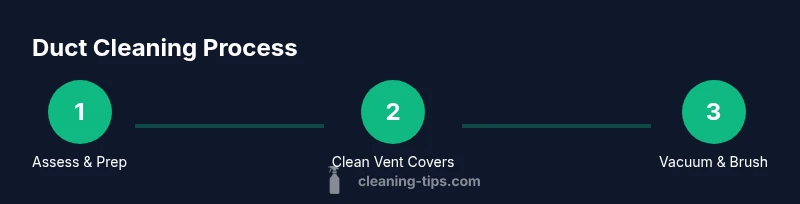
This section outlines a practical sequence without getting lost in the technical jargon. Start by removing vent covers and physically accessing the first duct sections. Clean vent covers with warm soapy water, rinse, and dry thoroughly before reinstallation. Vacuum accessible ducts with a HEPA-equipped unit, using long, gentle motions to pull dust toward the vacuum rather than pushing debris deeper. Use a flexible brush or microfiber cloth to loosen stubborn debris in the duct walls and then vacuum again. If you encounter heavy buildup near the plenum or blower, proceed with caution and avoid disturbing any seals or gaskets; overly aggressive brushing can damage components. After cleaning, reinstall vent covers, replace air filters if needed, and run the system briefly to observe airflow and any residual odors. Remember: safety comes first, and if you see signs of mold, excessive moisture, or restricted airflow, stop and call a professional.
Deeper cleaning considerations and limits
Some homes present deeper challenges: long runs, tight bends, or ducts shared with other spaces may benefit from professional equipment and techniques such as negative pressure or specialized brushes. Do not attempt to chemically treat or seal duct seams without manufacturer guidance. If you suspect mold growth, avoid wiping or spraying household cleaners directly inside the ductwork; mold remediation requires controlled containment and appropriate antimicrobial agents. In many cases, the most cost-effective approach is to focus on accessible ducts and vent covers, while scheduling a professional evaluation for the parts you cannot reach. Ongoing monitoring of indoor air quality and periodic filter changes can sustain improvements long after the initial cleaning. The key is to be honest about what you can safely handle and when to escalate to a licensed pro.
Reassembly, testing, and maintenance
With cleaning complete, reattach all vent covers securely, seal any gaps you may have noticed with approved sealants, and replace the HVAC filter. Turn the system back on and listen for unusual noises or rattling that could indicate loose components. Check for air leaks at joints and inside the blower compartment. If you notice persistent odors after cleaning, consider running air purifiers or introducing source control to reduce odors at the origin. Finally, establish a routine that includes periodic filter changes and bagging or bagging and ventilating waste to keep the space clean and to maintain the improvement gained from cleaning the ducts. A thoughtful maintenance plan sustains the benefits of your DIY effort for longer.
Maintenance after cleaning and signs you should call a pro
Even with a DIY approach, there are telltale signs that you should seek professional help: persistent musty odors, visible mold in duct interiors, moisture stains on duct surfaces, or if you observe a spike in dust despite regular cleaning. The Performing a simple maintenance routine helps—change filters on schedule, inspect ductwork yearly for signs of damage, and consider routine professional inspections every 3–5 years depending on usage, climate, and family members with allergies. Cleaning Tips research suggests that homeowners who track air quality metrics after cleaning often notice improvements such as reduced dust and fewer allergy symptoms, but results vary by home. If you encounter any of the red flags, don’t hesitate to contact a licensed HVAC contractor for a thorough assessment and safe remediation.
Is duct cleaning worth it in 2026? When to call a pro
In 2026, many homeowners ask whether the effort of cleaning ducts is worth the cost, especially when professional services can be expensive. For most typical homes, DIY vent cleaning can provide noticeable improvements in comfort and air quality, particularly when combined with regular filter changes and moisture control. However, complex systems, mold contamination, significant moisture, or inaccessible ducts usually justify professional service. The Cleaning Tips team notes that professional cleaning can address hidden contamination, structural issues, and areas not reachable by consumer tools. If you see ongoing dust, odors, or health symptoms plausibly linked to ductwork, a professional evaluation is warranted, and its value is often high for long-term indoor air quality.
Tools & Materials
- HEPA vacuum with hose attachments(Minimum 12-inch wand; use HEPA filter)
- soft-bristled brush or microfiber cloth(For loosening debris in ducts)
- screwdrivers (Phillips and flat-head)(To remove vent covers and access panels)
- PPE: N95 mask, safety goggles, gloves(Protect from dust; consider respirator for mold)
- step ladder or stable stool(Access high vents)
- plastic sheeting/drop cloth(Contain dust around workspace)
- mild detergent and water(For cleaning vent covers; avoid harsh chemicals)
- disinfectant spray (optional)(Use only as directed and allow to dry)
Steps
Estimated time: 2-4 hours
- 1
Power down and prep
Turn off the HVAC system at the thermostat and circuit breaker. Put on PPE. Gather tools and lay down containment materials to catch dust. This safeguards you and minimizes cleanup later.
Tip: Always verify power is off at the breaker before touching any electrical components. - 2
Remove vent covers and access panels
Carefully detach each vent cover and note screw locations. Inspect the opening for visible dust or mold. Place covers and screws in a labeled container so you don’t lose parts.
Tip: Use a cloth bag or magnetic tray to keep screws organized. - 3
Inspect ducts for moisture or mold
Look for damp spots, staining, or a musty odor which can indicate mold or moisture problems. If you see mold, stop and consult a professional; DIY cleaning can spread contaminants if not done correctly.
Tip: Do not scrub moldy areas aggressively—this can release spores. - 4
Clean vent covers
Soak vent covers in warm soapy water, scrub with a soft brush, rinse, and dry completely before reinstallation.
Tip: Dry thoroughly to prevent rust or moisture inside the ductwork. - 5
Vacuum accessible ducts
Attach a narrow nozzle and gently hover along the duct walls, pulling debris toward the vacuum. Avoid forcing debris deeper into the system.
Tip: Work in sections to maintain control over dust and debris. - 6
Brush and loosen stubborn debris
Use a flexible brush to dislodge buildup inside accessible ducts, then vacuum again to remove the loosened material.
Tip: Be cautious around joints and seals to prevent damage. - 7
Deeper cleaning considerations
If you reach the blower housing or plenum and feel unsure, stop. Complex components often require professional equipment and training to avoid harm.
Tip: Avoid chemical treatments inside ducts unless specified by the manufacturer. - 8
Reassemble and test
Reinstall vent covers, replace filters if needed, and run the system briefly to check airflow and noise.
Tip: Check for air leaks at joints and reseal if necessary. - 9
Evaluate results and plan maintenance
Note any improvements in air feel and odor. Schedule periodic maintenance and filter changes to sustain benefits.
Tip: Keep a simple log of cleaning dates and air quality observations.
Questions & Answers
Do I need to hire a professional to clean the ducts?
For many homes, DIY vent cleaning is feasible, but professional cleaning is advised if you encounter mold, extensive moisture, or hard-to-reach ducts. A pro can safely access hidden sections and ensure proper sanitation. Consider age of the system and warranty implications when deciding.
DIY work is possible for many homes, but call a professional if you see mold or hard-to-reach ducts.
How often should ducts be cleaned?
Frequency depends on usage, pets, and environmental conditions. Most homes benefit from a thorough check every 3-5 years or when you notice decreased airflow, persistent dust, or musty odors.
Most homes check every three to five years, or when you notice dust or odors.
Can duct cleaning help with allergies?
Duct cleaning can reduce dust and pollen circulating in the home, which may alleviate allergy symptoms for some people. It is not a cure-all; combine cleaning with good filtration and moisture control.
Cleaning may help with allergies when combined with good filtration.
What mistakes should I avoid?
Avoid over-brushing, which can damage duct walls. Do not introduce water into damp ducts. Never seal off an area without understanding airflow paths, and avoid DIY mold remediation unless trained.
Don’t over-brush or spray water; don’t DIY mold remediation if unsure.
Is duct cleaning safe for homes with mold?
Cleaning visible, non-structural dust may be safe, but mold requires containment and professional remediation. DIY cleaning without proper containment can spread spores and worsen health risks.
Mold needs containment and professional handling; DIY is not recommended in that case.
Will cleaning ducts increase energy efficiency?
Duct cleaning can improve airflow and reduce strain on the system, potentially making it run more efficiently. Gains vary by system condition, use, and proper filter maintenance.
It can help efficiency, but results vary by system and maintenance.
Watch Video
The Essentials
- Begin with safety and power-off before cleaning.
- Use a HEPA vacuum and appropriate brushes for best results.
- Identify mold or moisture; stop and consult a pro if detected.
- Reassemble carefully and monitor air quality after cleaning.