Clean with Passion: A Practical Cleaning Guide for Homeowners
Learn to clean with passion and turn daily chores into a healthier routine. Cleaning Tips offers practical mindset, essential tools, and step-by-step methods for safer, more effective cleaning.


By cleaning with passion, you transform chores into a healthier, more joyful habit. This guide helps homeowners and renters adopt a practical framework for safer surfaces, better air quality, and steady momentum. According to Cleaning Tips, the core is intention, routines, and the right tools, enabling you to approach every cleaning task with focus and confidence.
Why cleaning with passion matters
In many homes, cleaning is treated as a chore rather than an opportunity to care for the space you live in. When you commit to cleaning with passion, you shift from a task to a habit that protects health, reduces stress, and boosts your daily mood. The mindset matters as much as the method: attention, consistency, and joy compound over time. The Cleaning Tips team emphasizes that intentional cleaning is not about perfection; it’s about progress and a sense of ownership over your environment. When you approach each room with curiosity and care, you notice details you would otherwise miss, from dusty baseboards to bright, sanitized counters. Clean with passion becomes a personal standard that informs every surface, tool choice, and routine you adopt. This approach also encourages smarter, safer cleaning: you use safer products, follow proper dilution guidelines, and build systems that make upkeep effortless in the long run. Small, deliberate actions—like wiping a faucet after use or sweeping a corner before vacuuming—lead to bigger results than brute scrubbing alone. Treating cleaning as a mindful practice protects health and creates spaces you enjoy.
According to Cleaning Tips, your mindset sets the pace for results. By framing cleaning as care, you’ll find motivation rising even on busy days and see tangible improvements in air quality, surfaces, and overall home health. The phrase clean with passion is more than a slogan—it’s a practical standard that shifts how you choose tools, schedule tasks, and evaluate outcomes.
Mindset and routine: building sustainable habits
The core of cleaning with passion is a sustainable routine, not an occasional sprint. Start with a weekly rhythm that fits your household, then fill in daily micro-actions that keep the space fresh. A practical trick is to pair cleaning tasks with existing habits—for example, wipe surfaces after cooking or sweep the entrance while you listen to a podcast. This reduces resistance and helps the practice become automatic rather than a burden. When you frame tasks as care for your home and family, you’ll notice increased motivation and better results. Cleaning Tips emphasizes clarity in goals: define zones, set time limits, and measure outcomes in tangible ways (clean counters, spotless floors, less clutter). With a clear routine, you’ll go from passive cleaning to proactive maintenance, and momentum compounds. Involve household members by assigning simple roles and celebrating small wins. Over time, the routine will feel less like work and more like a personal ritual you look forward to each week. With passion, even busy days can yield a cleaner, calmer home.
A regular routine also reduces chaos during daily life. When you know what to clean and when, you experience less decision fatigue and more sense of control. This consistency translates into healthier air and fewer allergens scattered around the living spaces. The Cleaning Tips team suggests starting small: one 15-minute zone per day can become a cornerstone habit that scales to a full cleaning session if needed.
Tools, products, and a safe setup
To clean with passion effectively, assemble a purposeful toolkit and a safe, comfortable workspace. Start with a versatile vacuum with a HEPA filter to trap fine dust, plus microfiber cloths that pick up more grime with less chemical. Keep an all-purpose cleaner in a reusable spray bottle, and stock a small bucket, scrub brushes, and a mop or microfiber head for versatile surfaces. Add baking soda and white vinegar as flexible, low-toxicity cleaning aids, but use them with respect for each surface’s finish and manufacturer recommendations. Gloves protect hands, and good lighting plus ventilation reduces fumes. Create a dedicated cleaning caddy or cart so you can move from room to room with purpose instead of gathering supplies mid-task. Label bottles, track expiration dates, and replace worn tools regularly. By choosing safer, practical products when possible and following dilution guidelines, you reduce chemical exposure while maintaining cleaning power. Your setup should support a calm, deliberate pace: clear the area, collect supplies, and start with a plan rather than improvised scrubbing. With the right tools, clean with passion becomes smoother and more enjoyable to maintain.
Zone-based cleaning: a practical method
Zone-based cleaning divides your home into manageable sections, making upkeep predictable and scalable. Create zones such as kitchen, bathrooms, living areas, bedrooms, and entryways, then rotate through them on a weekly schedule. Start with high-visibility zones to celebrate early wins and build momentum, then tackle less frequented areas when time allows. Cleaning top to bottom in each zone helps prevent dirt from migrating downward and reduces the need to repeat tasks. Use a timer for short, focused sessions—20 to 30 minutes per zone works well for most households. Maintain a simple checklist per zone to track progress, which creates concrete evidence of improvement and keeps motivation high. For small spaces, micro-cleaning across several zones adds up to noticeable cleanliness in days. Consistency is the key: short, regular cleans beat sporadic, longer sessions that exhaust you. Zone-based cleaning scales with your life, not against it, and lets you keep a high standard without overwhelming your schedule.
Eco-friendly choices and safe chemicals
Choosing eco-friendly products aligns with the spirit of clean with passion. Begin by using reusable spray bottles, non-toxic cleaners when possible, and natural ingredients for occasional touch-ups. Vinegar and baking soda are versatile helpers for many surfaces, but always test on an inconspicuous area and avoid mixing with bleach or ammonia. Use vinegar for mineral deposits on faucets and glass, and baking soda as a gentle abrasive for sinks and tiles—alternating with water to prevent residue. For textiles, consider mild cleaners and proper dilution to protect fabrics and color. When cleaning stone, wood, or brass, stick to manufacturer recommendations and avoid acidic cleaners that can etch surfaces. Environmentally minded choices reduce chemical exposure for you and your family while maintaining cleaning power. Pair eco-conscious products with good ventilation during sessions to preserve air quality and comfort.
Keeping motivation and avoiding burnout
Staying motivated requires turning cleaning into a positive habit rather than a burden. Use a playlist, timer, or accountability partner to sustain momentum. Break tasks into short, celebratory segments, and reward yourself after completing a zone or room. Maintain a clutter-free workspace, so motivation isn’t eaten by unruly piles. If you feel overwhelmed, revert to a micro-cleaning approach: one minute per surface, then extend as energy returns. Remember that progress compounds: even small daily efforts lead to a visibly cleaner home over time. Visual progress, such as before-and-after photos or checklists, reinforces the sense of achievement and keeps you engaged with the process.
Measuring progress and long-term maintenance
To ensure lasting results, measure progress with simple metrics: number of surfaces cleaned, rooms refreshed, and time saved through routines. Track air quality improvements by noting less dust in surfaces, fewer odors, and easier breathing after cleaning sessions. Schedule recurring tasks in a calendar and adjust based on seasonality and family routine. Regular maintenance, even in brief daily bursts, prevents buildup and makes deeper cleans easier later. Celebrating small wins—like a spotless sink or shine on the countertops—fosters motivation and consistency. Finally, revisit goals every few weeks to refine your zones, tools, and methods. With a steady cadence, clean with passion becomes an ingrained habit that sustains a healthier home year-round.
Tools & Materials
- Vacuum cleaner with HEPA filter(Ensure filter is clean; replace as needed)
- Microfiber cloths (set of 12+)(Used for most surfaces; machine-washable)
- All-purpose cleaner (non-toxic preferred)(Keep in a reusable spray bottle)
- Baking soda(Gentle abrasive; great for sinks and tubs)
- White vinegar(De-scaling and deodorizing; avoid on natural stone)
- Spray bottles(Label each bottle clearly)
- Bucket and mop (microfiber preferred)(Rinse between rooms)
- Protective gloves(Use when using cleaners or scrubbing)
Steps
Estimated time: 60-90 minutes
- 1
Plan and prepare
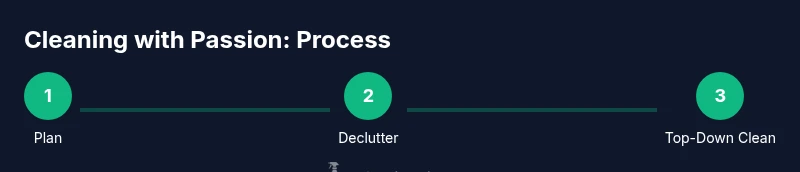
Identify the rooms to clean, set a timer for 20–30 minutes per zone, and gather supplies. A clear plan reduces interruptions and increases focus. This initial step saves time later and aligns with the mindset of cleaning with passion.
Tip: Set a 5-minute pre-clean review to adjust zones if the home dynamic changes. - 2
Declutter and pretreat
Remove visible clutter from surfaces and treat any stains or spots with appropriate cleaners. Clearing the space first prevents dirt from being moved around and speeds up subsequent steps.
Tip: Put stray items in a dedicated basket to avoid scattered clutter while you clean. - 3
Dust from top to bottom
Dust ceiling corners, light fixtures, and vents, then work downward to furniture and shelves. Dusting before wiping prevents recontamination and keeps dust from settling on cleaned areas.
Tip: Use a microfiber duster and avoid feather dusters that spread dust more than they collect. - 4
Wipe high-touch surfaces
Wipe door handles, light switches, and electronics with a microfiber cloth lightly dampened with cleaner. This minimizes germ transmission and improves perceived cleanliness.
Tip: Follow manufacturers’ guidelines for electronics and screens. - 5
Wipe and sanitize counters
Spray surfaces and wipe in a consistent pattern, allowing approved contact time for sanitizers. Move from clean to dirty areas to prevent cross-contamination.
Tip: Rinse cloths frequently to avoid spreading grime. - 6
Clean floors and soft surfaces
Vacuum carpets and mop hard floors, then launder or air-dry textiles as needed. Address spills promptly to avoid staining and odors.
Tip: Rotate mop heads and vacuum attachments for maximum effectiveness. - 7
Ventilate and re-check
Open windows or run a fan to air out cleaners and improve air quality. Do a quick pass to catch any missed spots and verify zone completion.
Tip: Check under furniture and behind doors for missed areas. - 8
Reflect and schedule next clean
Review what went well, set a recurring cleaning date, and adjust zones as needed. Ending with a plan reinforces the habit of cleaning with passion.
Tip: Mark your calendar and set reminders at regular intervals.
Questions & Answers
What does it mean to clean with passion?
Cleaning with passion means approaching cleaning as mindful care for your home and health, not just a task. It emphasizes intention, routine, and joy in small actions that compound over time.
Cleaning with passion means caring for your home with intention and consistency, turning chores into a mindful routine.
How do I start a cleaning routine when I feel overwhelmed?
Begin with a small, repeatable action and build from there. Use zone-based planning and 15-minute sessions to maintain momentum and prevent burnout.
Start with tiny, repeatable steps and zone-based plans to avoid overwhelm.
Are natural cleaners as effective as chemical ones?
Natural cleaners can be highly effective when used properly and with the right technique. Safely dilute and test them, and pair with good cleaning habits for best results.
Natural cleaners work well when used correctly and with proper technique.
Can cleaning with passion work in small apartments?
Yes. Zone-based planning and short, frequent sessions fit small spaces well. Focus on high-traffic areas and maintain routines to preserve space.
Absolutely—zone-based routines suit small spaces and keep things tidy.
Should I use vinegar on stone surfaces?
Avoid vinegar on natural stone; use pH-neutral cleaners designed for stone surfaces to prevent etching and damage.
Vinegar isn’t ideal for stone—use stone-safe cleaners instead.
How can I keep kids involved in cleaning?
Assign simple, safe tasks and celebrate small wins. Make it a game or part of a routine to build positive associations with cleaning.
Give kids easy chores and celebrate small wins to keep them motivated.
Watch Video
The Essentials
- Plan zones before you start to stay organized.
- Clean top-to-bottom to minimize re-dirtying surfaces.
- Use two simple cleaners safely and test first.
- Keep sessions short and regular to build the habit.
- Track progress with checklists and photos.