Sewage Cleanup Near Me: Safe, Step-by-Step Guide
Learn how to handle sewage cleanup near me safely with practical steps, PPE guidance, and when to call professionals. Cleaning Tips provides a practical, step-by-step approach for a healthier home.


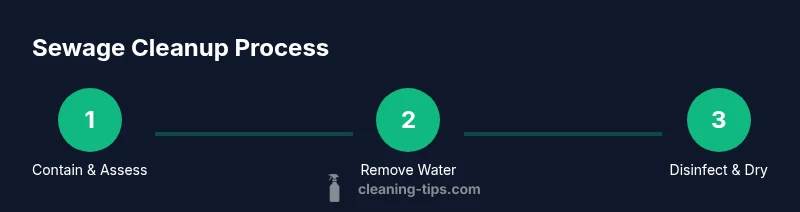
Here’s how to approach sewage cleanup near me safely: contain the area and call for professional help if the spill is large or lingering; put on PPE and remove standing water and damaged materials; disinfect all surfaces and dry the space to prevent mold growth. When in doubt, hire a pro.
What sewage cleanup near me entails and why it matters
Sewage cleanup near me involves more than just removing dirty water. It is a health-critical response that addresses contaminated water, structural moisture, and lingering odors. The Cleaning Tips team emphasizes that the goal is not only to restore aesthetics but to eliminate health risks, prevent mold growth, and stabilize indoor air quality. In residential settings, the scope can range from a minor backup in a bathroom to a full basement flood. Understanding the core tasks helps homeowners and renters decide when to DIY and when to call a professional. The risk of delaying cleanup or cutting corners is high: contaminants can invade porous materials, create foul odors, and lead to costly remediation later. This section outlines what to expect and how to prepare before you begin. According to Cleaning Tips, sewage cleanup near me is both a safety-critical process and a restoration task that benefits from a clear plan and timely action.
Safety gear, containment, and ventilation
Before you touch any contaminated surfaces, assemble the right safety gear: waterproof boots, nitrile gloves, a splash-resistant respirator, and eye protection. Protective clothing should be long sleeves and pants to minimize skin exposure. Establish a containment zone with plastic sheeting to prevent cross-contamination to clean areas. Ventilate the space by opening windows and using exhaust fans, but avoid spreading contaminated air to other rooms. Cleaning Tips stresses the importance of following product labels and never mixing cleaners with ammonia or bleach in unventilated spaces, as dangerous gases can form. Proper containment also means marking off the area to keep children and pets away until the space is deemed safe.
Contaminants: mold, bacteria, and chemical residues
Sewage carries a complex mix of microorganisms, organic waste, and potentially hazardous chemical residues. Bacteria and mold spores can become airborne during cleanup, so air handling is essential. Porous materials such as carpet, drywall, and insulation often absorb contaminants and may need removal. Non-porous surfaces like tile, concrete, and metal can be cleaned with appropriate disinfectants and mechanical cleaning tools. Always follow the disinfectant contact times recommended by the manufacturer. Based on Cleaning Tips analysis, mold and bacteria respond quickly to moisture, so ventilation and thorough drying are crucial after cleanup. Consistent moisture control after cleanup is critical to prevent mold regrowth, which can trigger health issues.
When to DIY vs when to hire a professional
Small, contained sewage backups in a single bathroom may sometimes be managed by a confident homeowner using strong PPE, surface disinfection, and thorough drying. However, sewage contamination is a disease vector and requires careful waste disposal, proper disposal of removed materials, and verification of air quality. If you notice persistent odor, standing water beyond a few hours, sewage pooling in multiple rooms, or if the space involves one or more floors below ground level, it is prudent to engage a licensed remediation contractor. The Cleaning Tips team recommends erring on the side of caution and seeking professional assessment when the spill involves black water or extensive structural saturation.
Cleaning and disinfection best practices
Begin with removing standing water using a pump or wet/dry vac dedicated to sewage cleanup. Dispose of porous materials that cannot be sanitized. Clean hard surfaces with an EPA-registered disinfectant, following the product’s contact time. Rinse and dry thoroughly, then use dehumidifiers and fans to reduce humidity and promote faster drying. If odors persist, repeat disinfection with fresh product and consider an air scrubber. Documentation of the cleanup steps can be useful for future references and insurance purposes. Cleaning Tips emphasizes that following a defined sequence reduces cross-contamination and improves outcomes.
Aftercare: drying, monitoring, and prevention
Even after visible cleanup, moisture can hide in walls and subfloors. Use moisture meters to confirm dry conditions and repair any leaks promptly. Maintain indoor humidity around 40-50% to prevent mold growth and consider sealing porous materials in moisture-prone areas. Install proper drainage around the home’s foundation and ensure sump pumps function correctly. Schedule a follow-up check in a few weeks to detect any slow dampness or odor, and sustain a routine cleaning plan to minimize future risks. By staying proactive, homeowners and renters can recover more quickly and reduce the chance of recurring issues. The Cleaning Tips team underscores the importance of ongoing vigilance for lasting safety.
Tools & Materials
- Personal protective equipment (PPE)(Waterproof boots, nitrile gloves, splash-resistant respirator, eye protection)
- Plastic sheeting and tape(Create containment zones to prevent cross-contamination)
- Disinfectants (EPA-registered)(Follow label for contact time; avoid mixing with ammonia)
- Bleach (optional, for non-bleach compatible surfaces)(Use only if product pairing is safe per label)
- Mops, buckets, and scrub brushes(Use dedicated tools for sewage cleanup)
- Wet/dry vacuum capable of handling sewage(For water removal from non-porous surfaces)
- Dehumidifier and/or high-velocity fans(Target humidity levels to prevent mold growth)
- Moisture meter(Check several areas, including walls and subfloors)
- Trash bags and containment bags for contaminated materials(Seal promptly and dispose per local guidelines)
- Trash bin with lid(For disposing contaminated waste if required)
Steps
Estimated time: 4-8 hours
- 1
Assess and secure the area
Identify the extent of the spill, shut off the water source if safe to do so, and establish a containment zone to prevent spreading contaminants. Note any structural damage or electrical hazards and keep people and pets away.
Tip: Document the area with photos before moving materials for insurance or professional reference. - 2
Remove water and damaged materials
Carefully extract standing water using a wet/dry vac designed for sewage. Remove porous materials that cannot be reliably decontaminated (drywall, saturated carpeting, insulation) and place them in sealed bags.
Tip: Do not reuse removed porous materials; seal promptly and double-bag if necessary. - 3
Clean and disinfect surfaces
Clean non-porous surfaces with an EPA-registered disinfectant, ensuring contact times per label. If surfaces are porous, replace rather than disinfect where possible. Avoid mixing cleaners and ventilate well during this step.
Tip: Rinse surfaces after disinfection if the product requires it and re-dry thoroughly. - 4
Drying and air quality control
Run dehumidifiers and fans to promote thorough drying. Monitor humidity levels and re-run disinfection if the space remains damp or odorous.
Tip: Use a moisture meter in multiple locations to confirm dryness before occupying the space. - 5
Post-cleanup checks and prevention
Inspect for hidden moisture in walls or subfloors and address any leaks. Consider preventive upgrades like improved drainage and sump pump maintenance to reduce future risk.
Tip: Keep records of the cleanup, materials disposed of, and equipment used for future reference.
Questions & Answers
What skill level is needed for sewage cleanup near me?
Skills range from basic containment and cleanup for small spills to professional remediation for larger contamination. When in doubt, prioritize safety and seek professional guidance. Cleaning Tips recommends evaluating the extent and potential health risks before proceeding.
For small spills, basic safety steps may suffice, but larger contamination should be handled by professionals. Always assess risk before starting.
Is it safe to live in a house during cleanup?
Limit exposure by sealing off the area and ensuring proper ventilation. If strong odors persist or moisture remains, relocate to a safe area until cleaning and drying are complete.
Limit exposure and keep the contaminated area sealed until cleanup and ventilation are complete.
How do I dispose of contaminated materials?
Place contaminated porous materials in sealed bags and follow local disposal guidelines. Check with your waste management authority for special collection rules for sewage-related waste.
Seal contaminated waste and follow local disposal rules; check with your local authority for specifics.
How long does mold remediation take after cleanup?
Remediation timelines depend on moisture levels and materials involved. A professional assessment provides a clearer schedule based on the space.
It varies; a pro will assess moisture and materials to estimate timing.
What symptoms indicate exposure to sewage?
Respiratory irritation, coughing, and headaches can indicate exposure. Seek medical advice if symptoms worsen or persist after cleanup.
If you notice coughing or irritations, consult a healthcare professional.
What records should I keep for insurance?
Take photos, keep receipts for cleanup materials and services, and document dates and measurements of affected areas for your claim.
Photographs and receipts help with insurance claims.
When should I call a professional for sewage cleanup?
If the spill is extensive, involves multiple rooms or floors, or you smell persistent sewage odor, hire a licensed remediation contractor. Quick professional evaluation can prevent long-term damage and health risks.
Call a pro if the spill is large or persistent; quick action reduces risk.
Are DIY approaches ever unsafe for sewage cleanup?
DIY can be risky if you lack PPE, containments, or knowledge about disposal and air quality. When in doubt, prioritize safety and seek professional help.
DIY can be unsafe for significant spills; seek professional help when unsure.
Watch Video
The Essentials
- Contain the area before cleaning begins.
- Prioritize safety: PPE and proper disposal are essential.
- Drying and humidity control prevent mold growth.
- Know when to call professionals for larger or more complex spills.
- Document cleanup steps for future reference.