How Cleaning Vinegar Is Made: A Step-by-Step Guide
Discover how cleaning vinegar is made, from fermentation of ethanol to dilution for household use. This educational guide explains the science, materials, safety, and quality controls behind a reliable cleaner.


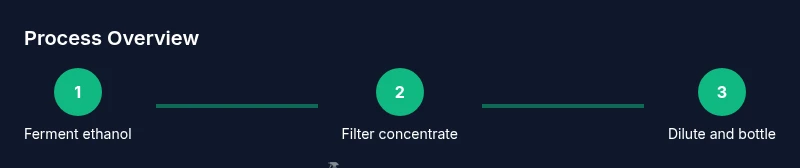
Cleaning vinegar is produced by fermenting ethanol with Acetobacter bacteria to form acetic acid, then diluting the resulting concentrate with water to create a safe cleaning solution. The process combines fermentation, filtration, and precise dilution to balance strength and safety for household use. This overview highlights the core steps and why dilution matters for everyday cleaning.
What cleaning vinegar is and why it’s useful
Cleaning vinegar is a solution of acetic acid in water designed for household cleaning. According to Cleaning Tips, it provides a practical, eco-friendly option for removing grease, mineral deposits, and tough stains without the harsher chemicals found in some cleaners. This section covers what makes cleaning vinegar different from culinary vinegars, how its strength contributes to cleaning power, and common surfaces it’s used on. You’ll also learn about when not to use it and how to read product labels to choose the right option for your needs.
Core production concept: fermentation to acetic acid
The central idea behind cleaning vinegar is fermentation: ethanol serves as the substrate that Acetobacter bacteria convert into acetic acid. This natural conversion is the same chemistry that creates white vinegar, but the process is tuned for stability and consistency in a commercial setting. The resulting liquid is a concentrated acetic acid solution, which is then prepared for consumer use through filtration and dilution. Understanding this core idea helps explain why cleaning vinegars can be effective on organic residues, mineral buildup, and some stains.
Raw materials and microbial culture
Manufacturers begin with a source of ethanol, which can come from grain-based or sugar-based streams. Clean water is essential to achieve the right dilution later, and a controlled Acetobacter culture starts the fermentation. In modern facilities, the process is conducted in stainless-steel vessels designed to minimize contamination and support steady gas exchange. The choice of substrate and water purity influences flavor in culinary products as well as strength and safety in cleaning formulations, so quality controls are important at this stage.
The fermentation phase: conditions and control
Fermentation requires carefully managed oxygen, temperature, and time. Acetobacter bacteria need a steady supply of air to drive the alcohol-to-acid transformation, while temperatures are kept within a range that supports bacterial activity without encouraging unwanted microbes. Monitoring pH and fragrance helps operators determine when the fermentation has progressed to a desirable acidity level. The scale of production—from small batches to large industrial runs—affects how aggressively teams manage these variables to maintain product consistency.
Filtration, purification, and quality checks
After fermentation, the crude liquid contains solids and residual microbes that must be removed. Filtration clears particulates and helps ensure a smoother, more predictable product. Quality checks—such as pH measurement and purity tests—verify that the acetic acid concentration is within specification and that the product meets safety standards for household use. Filtration and testing are essential steps that prevent off-notes, cloudiness, or contaminants from reaching the consumer.
Dilution, blending, and bottling
The concentrated acetic acid solution is diluted with water to the target cleaning strength and then blended to ensure uniformity across batches. This dilution step is where bottle labels specify the intended use and cautions, helping consumers apply the cleaner safely. Bottling lines are designed to minimize air exposure and light contact, often using opaque or tinted bottles to protect the product’s potency over time.
Safety, labeling, and storage
Safety is a primary concern in both production and home use. Cleaning vinegar should be stored in a cool, dry place away from direct sunlight and kept out of reach of children and pets. Labels provide concentration guidance, safety warnings, and first-aid instructions. Household users should avoid mixing cleaning vinegar with bleach or other cleaners, as chemical reactions can generate harmful gases. Regular storage and proper disposal help minimize environmental impact.
Practical takeaways for your home use
For most households, cleaning vinegar offers a simple, effective option for everyday cleaning tasks such as kitchen counters, glass surfaces, and bathroom fixtures. Always follow label directions, test on a small area first, and use appropriate safety gear when handling concentrated solutions. By understanding how cleaning vinegar is made, you can appreciate the care that goes into a reliable cleaner and make informed choices about when and where to use it.
Tools & Materials
- food-grade ethanol (substrate)(Base feedstock for acetic acid production)
- water(Purified water for dilution and final product)
- Acetobacter culture starter(Bacteria used to convert ethanol to acetic acid)
- fermentation vessels(Non-reactive, sanitized containers)
- filtration equipment(Filters appropriate for liquid products)
- pH meter or test strips(Quality control for acidity)
- sanitation supplies(Detergents, sanitizers, and PPE)
- quality-control lab tools(For spot checks and documentation)
Steps
Estimated time: varies (fermentation and testing phases vary by scale)
- 1
Prepare materials and sanitize equipment
Rinse and sanitize all equipment before use. Set up a clean, well-ventilated work area and verify that tools are free from residues that could contaminate fermentation. This initial sanitation reduces variability in the final product.
Tip: Create a dedicated clean space and label containers to avoid cross-contamination. - 2
Inoculate with acetic acid bacteria
Add the ethanol substrate to the fermentation vessel and introduce a starter culture of Acetobacter. Ensure adequate but controlled airflow to support oxidation while preventing excess foaming or contamination.
Tip: Aerate gently to provide enough oxygen without splashing or splattering. - 3
Ferment to acetic acid
Maintain conditions favorable for bacterial activity, monitoring for activity such as bubbles and aroma changes. Fermentation duration varies with scale and environmental factors, so plan for multiple checks instead of a single endpoint.
Tip: Record observations and adjust airflow or temperature as needed to stay within target range. - 4
Filter the crude liquid
When fermentation nears target acidity, filter the liquid to remove solids and microbial debris. This step yields a clearer concentrate suitable for dilution and packaging.
Tip: Use food-grade filters and sanitize filtration equipment to protect product quality. - 5
Dilute to cleaning strength
Dilute the concentrate with water to achieve the cleaning strength intended for consumer use. Clearly label diluted products and store in a cool place away from heat sources.
Tip: Avoid hot water during dilution to prevent rapid vapor release. - 6
Quality check and packaging
Perform basic checks on pH and clarity, then package in appropriate containers with secure caps. Ensure labeling communicates safe usage, concentration, and warnings clearly.
Tip: Seal and test bottles for leaks before distribution. - 7
Store and ship
Store finished product in a controlled environment away from sunlight. Use intact containers for transport to preserve potency and safety.
Tip: Keep out of reach of children and pets; store in original packaging when possible. - 8
Ongoing quality control
Establish routine checks for each batch to maintain consistency across products. Document batch records and adjust processes as needed to ensure safety and performance.
Tip: Maintain traceability for every production run.
Questions & Answers
What exactly is cleaning vinegar?
Cleaning vinegar is a solution of acetic acid in water formed through fermentation and dilution, designed specifically for household cleaning. It’s typically stronger than culinary vinegars and labeled for safe use on common surfaces.
Cleaning vinegar is a stronger, water-based acetic acid cleaner produced by fermentation and dilution for home use.
Is cleaning vinegar the same as white vinegar?
They share the same chemical basis, but cleaning vinegar is typically formulated at a higher strength and marketed for cleaning rather than food preparation. Always check the label for exact concentration and safe applications.
They’re similar, but cleaning vinegar is usually stronger and intended for cleaning, not cooking.
Can I make cleaning vinegar at home?
Home fermentation at scale is complex and carries safety risks. Commercial cleaning vinegars are produced under controlled conditions to ensure consistency and safety for consumer use.
Home fermentation is not recommended; buy commercially produced cleaning vinegar for safety.
What safety precautions should I take?
Wear gloves and eye protection, work in a well-ventilated area, and keep cleaners away from children. Do not mix cleaning vinegar with bleach or other household cleaners.
Wear gloves and goggles, ensure good ventilation, and avoid mixing with other cleaners.
Is cleaning vinegar environmentally friendly?
Cleaning vinegar is generally considered more eco-friendly than many synthetic cleaners due to its simple chemistry, but proper disposal according to local guidelines remains important.
It’s typically environmentally friendlier than many cleaners, but follow disposal guidelines.
What concentrations are typically sold?
Concentrations vary by brand, but consumer cleaning vinegars are designed to be safe for household use when used as directed. Always check the label for exact strength and usage instructions.
Concentrations vary; check the label for exact strength and safe use.
Watch Video
The Essentials
- Fermentation converts ethanol to acetic acid using Acetobacter.
- Dilution makes the product safe and practical for cleaning.
- Quality checks ensure consistency and safety of household products.
- Proper labeling and storage protect homes and the environment.