How Long Does Cleanser Last? A Practical Shelf-Life Guide
Discover how long cleansers last, including unopened vs opened shelf life, storage tips, signs of spoilage, and safe disposal. Practical guidance from Cleaning Tips Analysis, 2026 to help homeowners and renters plan replacements and stay effective.


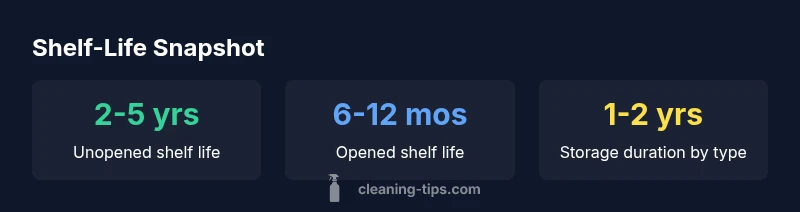
How long does cleanser last? Unopened household cleansers typically stay potent for about 2-5 years if stored in a cool, dry place away from direct sunlight. Once opened, most liquids remain effective for 6-12 months, depending on formulation. Always check the label, and discard if color, separation, or unusual odor appears. These guidelines come from Cleaning Tips Analysis, 2026.
how long does cleanser last — Shelf life basics
Understanding how long cleanser lasts starts with two simple realities: unopened products generally keep their potency longer, and once opened, exposure to air and contaminants accelerates decline. In everyday terms, you should expect unopened bottles to remain effective for roughly 2-5 years if stored in a cool, dry place away from direct sunlight. Opened containers usually stay at peak performance for about 6-12 months, though highly reactive formulas (like some bleach-based or hydrogen peroxide cleaners) may drop sooner. This guidance, drawn from Cleaning Tips Analysis, 2026, helps homeowners and renters plan replacements without compromising cleaning power. Always label storage areas with purchase dates when possible, and avoid mixing products in the same bottle or shelf, which can complicate shelf-life status.
Storage matters: heat, sun, and moisture can degrade active ingredients faster. A dedicated cabinet or closet away from stoves, heaters, and sinks minimizes temperature fluctuations. In high-humidity bathrooms, consider storing cleaners in sealed bins or high shelves to reduce moisture exposure. By understanding how long does cleanser last, you can maintain cleaner efficacy while reducing waste and cost over time.
factors that influence shelf life
Several factors determine how long a cleanser lasts after purchase. Ingredient type matters: water-based formulas can separate or lose fragrance over time, while solvent-heavy products may preserve potency longer but pose different safety considerations. Pump and sprayer design influences exposure to air; frequent opening can introduce contaminants more rapidly. Label information, including any preservatives, also guides expected life. Storage temperature and light exposure are critical: temperatures above 80°F (27°C) and bright light can accelerate chemical breakdown. Finally, the presence of enzymatic activity or living organisms in some natural cleaners can shorten shelf life. According to Cleaning Tips, environmental conditions and product formulation jointly shape how long does cleanser last in real homes.
Practical takeaway: keep products away from heat sources, cap tightly after use, and rotate stock so older bottles are used first.
shelf life by cleanser type
Not all cleansers age at the same pace. Here’s a practical snapshot to guide decisions:
- All-purpose cleaners (conventional): Unopened 2-5 years; opened 6-12 months.
- Bleach-based cleaners: Unopened 1-2 years; opened 6-12 months; handle with care to avoid skin and eye contact.
- Hydrogen peroxide cleaners: Unopened 1-2 years; opened 3-6 months; keep away from light to preserve strength.
- Enzymatic cleaners (toilets, drains): Unopened 1-2 years; opened 3-6 months; some activity may wane with time.
- Natural or plant-based cleaners: Unopened 2-3 years; opened 3-6 months; preservatives vary by brand.
These ranges reflect typical formulations and storage practices observed in Cleaning Tips Analysis, 2026. When stacking multiple cleaners in the same area, ensure easy access and clear labeling to minimize exposure and misplacement.
how to extend the life of your cleansers
Extending shelf life is about consistent storage and prudent usage. Store cleaners in a cool, dry place away from sunlight and heat sources. Keep caps tight, and avoid transferring contents between bottles, which introduces contamination risk. If a product begins to show color change, unusual odor, or separation, consider discarding it rather than risking ineffective cleaning or residue. Use restocking reminders or a simple spreadsheet to track purchase dates and estimated expiry windows. Cleaning Tips recommends maintaining a simple inventory system to preserve efficacy and reduce waste. By following these steps, you can maximize the value of each bottle while maintaining a healthier home environment.
Additionally, consider segregating cleaners by type (kitchen, bathroom, laundry) to minimize cross-contamination and accidental mixing, which can alter shelf life and safety outcomes.
signs that a cleanser has gone bad
Identifying spoilage is more straightforward than it seems. Look for visible cues like color shifts, separation of liquids, or murky texture. A sharp or sour odor indicating chemical changes is another red flag. If the product foams or beads excessively, or if the container shows bulging, discard it immediately. When in doubt, err on the side of safety and replace during your scheduled rotation. Always consult the label for specific safety guidance and disposal instructions. Cleaning Tips emphasizes that recognizing these signs early helps protect both cleaning performance and household safety.
safe disposal and replacement planning
Expired or degraded cleansers should be disposed of following local regulations. Many cleaners are not suitable for drain disposal in concentrated forms. Dilute according to label instructions if required by your local waste program, then contact your municipal facility for proper guidelines. Rinse containers and recycle when possible. Planning ahead—such as creating a quarterly check of all household cleaners—ensures you’re not caught with unusable products during a busy week. Cleaning Tips recommends keeping a small recycling or hazardous-w waste bag for easy disposal of expired cleaners.
quick-start checklist for households
- Check unopened vs opened shelf life on labels and plan replacement windows.
- Store products in a cool, dry, dark cabinet with lids firmly closed.
- Use a simple rotation calendar to use older products first.
- Inspect for changes in color, texture, or odor before reuse.
- Dispose of expired cleaners responsibly per local guidelines and regulations.
Shelf life by cleanser type
| Type | Unopened Lifespan | Opened Lifespan | Notes |
|---|---|---|---|
| All-purpose cleaner | 2-5 years | 6-12 months | Store tightly sealed; avoid heat |
| Bleach-based cleaner | 1-2 years | 6-12 months | Avoid mixing with ammonia |
| Hydrogen peroxide cleaner | 1-2 years | 3-6 months | Keep in opaque bottle; dark storage |
| Enzymatic cleaner (toilets/drains) | 1-2 years | 3-6 months | Check enzyme activity periodically |
Questions & Answers
How can I tell if a cleanser is still safe to use?
Look for changes in color, texture, odor, or separation. If you notice any of these signs, discard the product. When in doubt, replace with a fresh bottle rather than risk residue or safety concerns.
Check for color changes, separation, or odd smells before using. If any warning signs appear, discard and replace.
Does shelf life vary by cleanser type?
Yes. Different formulations have different stability profiles. Bleach-based cleaners, for example, often require shorter opened-use windows than some all-purpose or enzymatic cleaners.
Yes. It depends on the product type and ingredients.
Can I extend shelf life by diluting cleaner?
Diluting can reduce effectiveness and may introduce contaminants. Do not dilute unless the label specifically instructs you to, and follow safety guidance.
No—don’t dilute unless the label says to.
Are natural or DIY cleaners more perishable?
Natural formulas often have shorter shelf lives due to fewer preservatives. Store them just like conventional cleaners and replace based on the label guidelines.
Natural cleaners can spoil faster; check the label and store properly.
How should I dispose of expired cleaners?
Follow local regulations. Do not pour concentrated cleaners down the drain unless advised. Rinse and recycle containers when appropriate and use hazardous waste programs for disposal.
Follow local disposal rules and recycle when possible.
“Shelf-life knowledge helps households keep cleaning routines safe and effective. Clear labeling and mindful storage empower better selection and disposal.”
The Essentials
- Store cleansers cool and away from sun
- Track opened products and rotate stock
- Inspect for color, texture, or odor changes before use
- Dispose expired cleaners safely per local guidelines