How to Tell If Cleaning Products Are Expired
Learn practical, step-by-step methods to determine if your cleaning products are expired, including reading dates, recognizing changes in scent and color, safe testing, disposal guidelines, and storage tips for a healthier home.


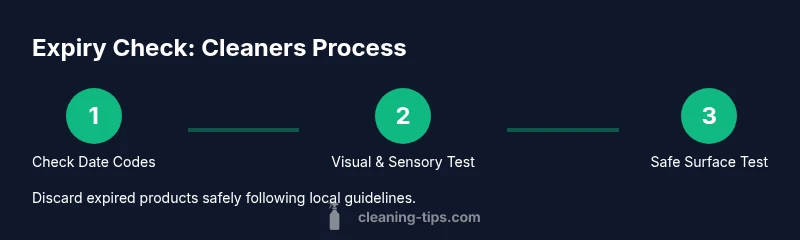
To tell if cleaning products are expired, start by checking any printed date codes or shelf-life guidance on the label. Look for changes in color, texture, or clarity, and note any unusual odors or separation. If a product shows significant changes or fails a simple safety test, dispose of it safely and replace it. This quick check helps keep your home chemistry-safe and effective.
Why Expiration Matters for Cleaning Products
Understanding how to tell if cleaning products are expired is a practical skill for every homeowner. Expired cleaners can lose potency, produce undesirable residues, or even become hazardous when mixed with other substances. The Cleaning Tips team emphasizes that safety and effectiveness go hand in hand; a product that has degraded may not clean surfaces as intended and could release fumes or cause skin irritation. By recognizing the signs of expiration, you protect family members, pets, and living spaces from unnecessary exposure and avoid wasted money on ineffective bottles. Remember, even non-toxic cleaners can lose their efficacy over time, reducing their ability to tackle grime or disinfect surfaces. Regular checks are a small but meaningful step toward a healthier home.
Reading Dates and Labels: What Count as Expiry Signals
Many cleaning products carry a printed date or a shelf-life indicator on the container. Common signals include an expiration date, a best-by date, or a PAO (period-after-opening) symbol for products considered volatile after opening. In some cases, there may be no date at all, especially for multi-purpose or DIY mixtures. The key is to learn how your household products communicate their safety window. Look for terms such as "EXP" or "Use by" and note the year and month. If a label only provides general guidance without a date, rely more heavily on sensory checks and storage history. The Reading Labels guidance is a practical starting point that many Cleaning Tips readers use to guide decisions about reuse or disposal.
Visual and Sensory Cues You Can Safely Check
Visual cues like discoloration, separation, cloudiness, or sediment can indicate degradation. A change in viscosity or frothing behavior may also signal reduced effectiveness. Smell is a strong indicator—an off or unusually sharp odor can suggest chemical changes or contamination. If anything seems off, perform a cautious, small-area test on a non-porous surface or a dedicated test surface. Never mix cleaners to test strength; some combinations can release toxic gases. Always wear gloves and work in a well-ventilated area when checking odors or textures, and avoid skin contact with unknown mixtures. Remember: safety first, and when in doubt, err on the side of disposal.
Safe Testing Practices: How to Test Without Creating Hazards
When testing a product, use a minimal amount on a clean, non-porous surface and observe its cleaning action after a brief wait. For surface cleaners, test on a hidden patch before applying to visible areas to ensure there is no damage or unusual residue. Do not blend products, and if a cleaner contains bleach, ammonia, or acids, ensure the test area is ventilated and avoid skin contact. If you observe excessive foaming, strong fumes, or irritation, stop using the product immediately and consider disposal. By following these steps, you can assess whether a cleaner still performs effectively without compromising safety.
Product-Specific Notes: Bleach, Ammonia, and Acids
Some cleaners are more sensitive to time than others. Bleach and ammonia-based products can produce hazardous fumes if old or contaminated, especially when mixed accidentally with other cleaners. Acids can gradually lose potency but may still cause irritation if used on skin or eyes. Vinegar-based cleaners may degrade more slowly, yet their scent can become overpowering if stored too long. Always check the label for warnings and compatible surfaces, and never use expired products on food-prep surfaces or directly on skin. Cleaning Tips recommends careful product triage: separate older bottles, label them with the date opened, and replace as needed.
Disposal and Recycling: What to Do with Expired Cleaners
Expired cleaners do not belong in the regular trash in all locales. Many communities offer household hazardous waste (HHW) programs or special drop-off events for cleaning chemicals. If local guidelines permit, keep the product upright in its original container with a readable label until you dispose of it. Do not mix products for disposal, as reactions can occur even when expired. If you must discard smaller quantities, use the safest method advised by local waste services. Cleaning Tips notes that following local disposal rules not only protects your home but also the environment.
Storage Habits That Extend Usable Life
Storage conditions influence how quickly cleaners degrade. Keep products in their original containers with tight-fitting caps, away from direct sunlight and heat sources. Store upright to prevent leaks and label new purchases with purchase and opening dates. Avoid transferring cleaners into unmarked containers, which can lead to misuse. A simple habit like rotating stock and using the oldest bottles first can minimize waste and ensure you have effective cleaners on hand when needed.
How to Decide: Keep or Replace
If a product shows minor changes but still cleans effectively, you may choose to keep it with careful monitoring. If changes are significant, if the product smells off, or if it foams unpredictably, replace it. When in doubt, err on the side of safety—expired cleaners can be replaced with a fresh bottle without compromising cleanliness. Cleaning Tips emphasizes maintaining a small, clearly labeled container shelf for easy inspection and a well-organized cleaning closet.
Quick-Reference: Common Product Categories
- All-purpose cleaners: potency may degrade; check for color changes and odor shifts.
- Bleach and disinfectants: watch for reduced whitening or disinfecting power, and ensure no unusual reactions with surfaces.
- Ammonia-based cleaners: avoid strong fumes, especially after opening dates.
- Degreasers and detergents: reduced sudsing or messy residues can indicate aging.
- DIY or vinegar-based cleaners: often hold up well but may separate; shake gently if advised by label.
Final Tips: Create a Simple Verification Routine
Set a routine to review cleaners every six to twelve months depending on usage and storage. Create a small log noting product name, date opened, and any changes observed. This habit keeps you informed and reduces the risk of using degraded cleaners on family surfaces. By applying these checks, you follow a practical, human-centered approach to maintaining a clean and safe home.
What Cleaning Tips Recommends
The Cleaning Tips team advocates a proactive approach: check dates, assess physical changes, test safely, and dispose of expired products properly. Regular reviews save money and protect health, making the home environment more predictable and safer for everyday activities.
Tools & Materials
- Chemical-resistant gloves(Nitrile or rubber gloves for handling all cleaners)
- Safety goggles(Eye protection during sniff tests and when handling concentrates)
- Non-porous testing surface(Small area on a white ceramic tile or glass surface)
- Soft cloth or paper towels(For wiping and observing residue)
- Permanent marker(Label bottles after testing date opened)
- Notepad or app(Record dates, changes, and disposal actions)
- Waste bag or container(Seal expired products separately for disposal)
Steps
Estimated time: Estimated total time: 25-45 minutes
- 1
Gather every cleaning product
Collect all household cleaners from storage into a single area. Check each bottle for a date, label, and opening information. Group items by type to help you assess shelf life efficiently.
Tip: Start with products used most frequently to optimize the session. - 2
Inspect the date labels
Look for expiration dates, best-by dates, or PAO icons. Note the date and the recommended opening window. If there is no date, proceed with sensory checks more carefully.
Tip: If the label is illegible, mark it with a reminder to dispose if uncertainty remains. - 3
Assess color, texture, and separation
Pour a small amount onto a testing surface and observe any color change, cloudiness, or separation. Clear liquid with no sediment is generally a good sign; unexpected cloudiness can indicate degradation.
Tip: Do not rely on scent alone; some products may smell normal even when degraded. - 4
Smell and feel cautiously
Safely smell the product from a distance to avoid inhaling any concentrated fumes. If the odor is sharp, sour, or otherwise off, consider disposal. Note any unusual irritation after a brief exposure test on a surface.
Tip: Always keep testing away from eyes and skin; use ventilation when possible. - 5
Do a small surface test where safe
Apply a tiny amount to a non-porous surface to verify cleaning performance without risking surfaces. If the product leaves residue or damages the surface, stop using it.
Tip: Choose surfaces that won’t show damage easily, such as ceramic or glass, for this test. - 6
Decide whether to keep or dispose
If a product has significant changes or poor performance, label it for disposal. If it passes checks, store with the rest and record purchase/open dates for future reference.
Tip: Create a disposal plan to keep the closet organized and safe. - 7
Dispose of expired cleaners properly
Follow local guidelines for hazardous waste disposal. Do not pour concentrated cleaners down the drain, and keep containers sealed until disposal. If unsure, contact local waste management for instructions.
Tip: Always prioritize safety and environmental considerations over minor savings.
Questions & Answers
Do all cleaning products expire?
Not every cleaner has a printed expiration date, but most lose potency over time. Many products become less effective or develop residues and odors. When in doubt, treat uncertain products as expired and dispose of them safely.
Most cleaners lose potency over time, and if in doubt, dispose of them safely.
Can vinegar and baking soda expire?
Vinegar typically remains usable for a long period, though its scent may fade. Baking soda slowly loses strength on absorption and may clump, but it doesn’t pose a hazard if used for odor or cleaning tests. Rely on odor and performance to decide.
Vinegar lasts long but may lose aroma; baking soda can clump but isn't dangerous, rely on performance test.
Is smell a reliable indicator?
Smell can indicate degradation, but some products retain their scent even when degraded. Use scent as one signal among color, clarity, and performance tests.
Smell is a useful cue but should be checked with other signs.
What should I do with a product without a date?
If there's no date, perform a cautious test on a small surface and monitor for changes in effectiveness and residue. If anything seems off, dispose safely and replace.
Test a tiny amount first, and dispose if anything seems off.
How should I dispose of expired cleaners?
Follow local guidelines for hazardous waste. Keep containers sealed and take them to a drop-off site if required. Do not mix products for disposal.
Follow local rules for hazardous waste disposal and never mix cleaners.
Can I reuse old bottles for new cleaners?
Label new cleaners clearly if you transfer contents, but avoid reusing bottles without proper labeling to prevent accidental misuse.
Label clearly if you transfer cleaners; don’t reuse unlabeled bottles.
Watch Video
The Essentials
- Check labels for explicit dates and shelf-life cues
- Inspect color, texture, and separation as signs of degradation
- Test safely on non-porous surfaces before use
- Dispose of expired products per local guidelines
- Organize storage to minimize waste and confusion