Pressure Clean Roof: A Step-by-Step Guide
A practical, step-by-step guide to pressure clean roof safely, protecting shingles and landscaping while removing moss, algae, and dirt. Learn gear, technique, and aftercare for long-lasting results.


By the end of this guide you will be able to safely pressure clean roof, choose suitable equipment, apply a roof-safe cleaner, and protect surrounding landscaping. You’ll understand when to use low pressure, how to avoid damaging shingles, and how to plan your work to minimize risk for you and your home. Cleaning Tips outlines practical, non‑abrasive methods.
Why pressure clean roof matters
According to Cleaning Tips, a clean roof not only improves curb appeal but also extends the life of shingles by reducing moss, algae, and mineral buildup that can loosen granules. Pressure cleaning roof surfaces at the correct intensity can remove stubborn deposits that rain alone cannot. However, improper pressure and wrong cleaners can cause costly damage, so understanding roofing materials and safe techniques is essential. This section outlines why timely cleaning matters and sets the stage for a safe, effective approach that protects your landscaping and gutters. It also explains the differences between algae, moss, lichens, and dirt, and clarifies when a full-pressure clean is appropriate versus a gentler wash or chemical treatment. The Cleaning Tips team emphasizes balance: you want effective cleaning without compromising the roof’s integrity or your safety. Remember, a misstep can void warranties, so preparation is essential.
The goal is to pressure clean roof when needed, using the gentlest effective method to minimize wear while restoring curb appeal.
Safety considerations and risk management
Roof cleaning carries slip, fall, and chemical exposure risks. Always inspect weather conditions, use fall protection where required, and never spray from an unsafe height. Based on Cleaning Tips analysis, using the lowest effective pressure and a roof-safe cleaner minimizes the risk of lifting shingles or injuring flashing. Wear protective goggles, gloves, and non-slip footwear; keep pets and children away during cleaning; and cover nearby plants with tarps. This section lays out a safety checklist and practical guardrails to reduce incidents while you work. Planning a dry, cool morning reduces wind and dust, making the job safer and more predictable for long sessions.
Roof types and cleaning approaches
Different roof materials respond differently to pressure and cleaners. Asphalt shingles are common but can be damaged by high jets; metal roofs resist more pressure but can dent if misused; clay and slate require gentler methods and often chemical pre-treatment. For moss and lichen, a combination of low pressure and roof-safe cleaners is usually effective. In contrast, dirt and oxidation may need more thorough rinsing and a slower pass along the slope. This section helps you tailor your pressure clean roof approach to your roof type while protecting flashing, ridge caps, and ventilation.
Tools, cleaners, and preparation
Before you begin, inventory the gear and plan surface protection. A basic setup includes a pressure washer with adjustable PSI, an extension wand, a roof-safe cleaner, and safety gear. Keep gutters clear and cover plants with tarps to contain runoff. Use a non-metal brush for stubborn growth and avoid metal wands that could scratch shingles. Test cleaners on a small, hidden area first and always spray away from windows and vent openings. This section links directly to the step-by-step workflow so you can align preparation with action.
Step-by-step workflow overview
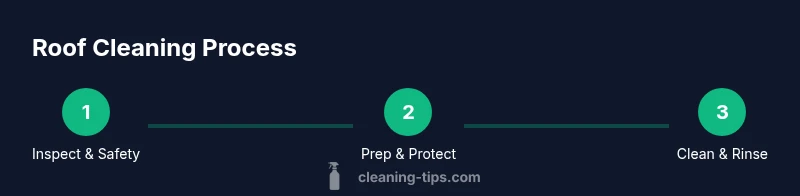
This section provides a high-level sequence: safety setup, roof inspection, pre-wetting, cleaning solution application, rinsing, addressing stubborn areas, and final inspection. Each action reduces risk and improves outcomes. You’ll read about nozzle selection, spray distance, and timing to minimize damage while achieving a clean, renewed roof appearance. Use this overview to confirm you’re prepared before you start the hands-on steps.
Aftercare and maintenance
Post-cleaning care helps extend results and prevent rapid re-growth of moss or algae. After rinsing, inspect for any missed spots or damaged shingles and address them promptly. Consider yearly or biannual checks, especially in damp climates, and combine cleaning with preventative measures like copper strips or zinc treatments that inhibit moss re-growth. This section also covers how to protect landscaping and how to re-seal edges if required by your roof type.
Common mistakes to avoid
Avoid blasting from proximity, which can lift granules or crack shingles. Do not use hot water or chlorine bleach on asphalt shingles, and never spray electrical fixtures or skylights. Skipping safety gear or rushing through steps increases risk of falls and injuries. This section highlights the most frequent missteps and how to prevent them, so you finish with a safe, durable clean.
Authority sources
- OSHA Roofing Safety: https://www.osha.gov/roofing
- EPA Cleaning Guidelines: https://www.epa.gov/
- University Extension Resources: https://extension.illinois.edu/
These sources provide safety standards and best practices to complement homeowner guidance from Cleaning Tips.
Tools & Materials
- Pressure washer (adjustable PSI)(Use low- to medium- pressure range (approx. 1,200–2,000 PSI) for asphalt shingles)
- Rinse hose(Long enough to reach from unit to roof edge)
- Roof-safe cleaner or mild detergent(Avoid chlorine bleach on asphalt shingles)
- Extension wand or roof cleaning wand(Helps reach without standing on roof)
- Gutter guards or tarps(Protect plants and soil from runoff)
- Safety gear (goggles, gloves, non-slip shoes)(Essential for eye and skin protection)
- Ladder stabilizer and fall protection(Only if ladder use is necessary)
- Soft-bristle roof brush(For stubborn moss in crevices)
- Plastic scrapers (non-metal)(Gently lift debris without scraping shingles)
- Drop cloths or plastic sheeting(Contain runoff near delicate plantings)
Steps
Estimated time: 60-120 minutes
- 1
Prepare safety gear & setup
Put on safety goggles, gloves, and non-slip boots. Set up the ladder on stable ground with a stabilizer and ensure fall protection is in place if available. Check the roof for loose shingles, debris, or obvious damage, and confirm weather conditions are safe for a work session.
Tip: Have a buddy hold the ladder and watch for overhead hazards. - 2
Inspect roof & plan spray direction
Walk the edge where safe, mark any fragile areas, and decide starting point at the highest slope. Plan your spray direction to move from top down, avoiding spray towards vents, chimneys, or electrical fixtures.
Tip: Keep a buffer zone around skylights and metal fixtures. - 3
Pre-wet the surface
Rinse the roof with clean water at low pressure to dampen the surface. This helps reduce cleaning solution absorption and minimizes splatter, making the cleaning step more uniform.
Tip: Avoid blasting directly into gutters; aim past the edge away from the soil. - 4
Apply roof-safe cleaner evenly
Apply a roof-safe cleaner according to the product instructions, using a broad, sweeping pattern. Do not saturate flashing or seals; focus on discolored areas where moss or algae are present.
Tip: Work in shaded sections when possible to prevent rapid drying. - 5
Rinse from top to bottom
Rinse the roof starting at the top edge and work downward in smooth, continuous passes. Use the extension wand at a safe distance to avoid lifting shingles.
Tip: Keep the nozzle moving to prevent etching any single spot. - 6
Tackle stubborn areas with a brush
For moss in crevices, gently scrub with a soft brush while rinsing. Do not use metal tools that can scratch the surface.
Tip: Pause at crusty patches to give cleaners time to work. - 7
Inspect & protect surrounding areas
After rinsing, inspect for missed spots or signs of damage. Remove runoff protection and store gear securely. Check nearby plants and surfaces for any staining or damage.
Tip: Document any roof issues to plan repairs if needed. - 8
Store equipment & perform final checks
Power down equipment, drain hoses, and store safely. Do a final safety check to ensure no trip hazards or loose items remain.
Tip: Release pressure slowly before disconnecting the wand.
Questions & Answers
Is pressure washing safe for asphalt shingles?
Yes, when you use low pressure, a roof-safe cleaner, and keep the spray away from edges and flashing. Always test on a small area first and monitor for granule loss.
Yes, but use low pressure and a roof-safe cleaner, and test first to avoid damaging shingles.
Can I pressure clean a roof from the ground?
Ground-based spraying is not advised for most roof types. Use an extension wand and secure ladder setup to reach safely. Avoid spraying at height without proper fall protection.
It's not recommended to spray from the ground; use an extension wand and proper safety gear.
What kind of cleaners are roof-safe?
Use cleaners labeled for roofs and avoid chlorine bleach on asphalt shingles. Test on a hidden area first and follow label directions for dwell time.
Choose roof-safe cleaners and test a small area first to avoid damage.
How often should I clean a roof?
Frequency depends on climate and shade. Inspect annually; moss and algae growth may warrant cleaning every 2–3 years in damp areas.
Inspect yearly; clean as needed based on growth and weather conditions.
What if algae returns after cleaning?
Revisit cleaning variables, check drainage and sun exposure, and consider preventative measures like copper strips or zinc treatments to slow regrowth.
If algae comes back, reassess conditions and consider preventative measures.
Should I hire a professional to pressure clean my roof?
Professionals can access difficult roofs and use specialized equipment. For simple, low-risk roofs, homeowners can perform routine cleaning with proper precautions.
For complex roofs, a professional may be safer and more effective.
Watch Video
The Essentials
- Plan safety and set up gear before starting.
- Use low pressure and roof-safe cleaners.
- Protect plants, gutters, and electrical fixtures.
- Rinse thoroughly and inspect for damage.
- Maintain regular cleaning to prevent moss buildup.