Rapid Clean: A Practical Guide to Fast, Thorough Cleaning
Learn practical, fast cleaning routines to blitz messes without sacrificing thoroughness. The Cleaning Tips team shares step-by-step methods, tools, and safety tips for a rapid clean that keeps homes healthier.


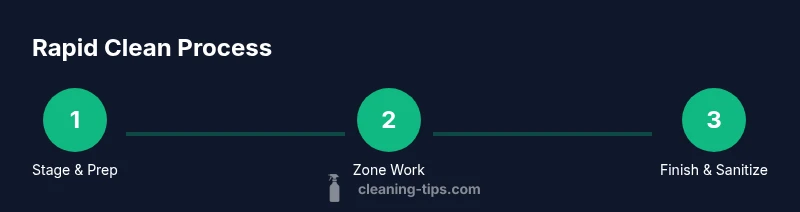
With a rapid clean, you’ll transform a messy space into a presentable room in under 30 minutes. Start by gathering essentials, set a timer to stay focused, and work by zones for maximum efficiency. Use high-velocity passes, microfiber cloths, and a two-bucket approach for dirt-prone areas. Finish with a quick wipe-down of high-touch surfaces for a fresh, healthier home.
What is rapid clean and why it works
Rapid clean is a time-efficient cleaning approach designed for busy households. It combines zone-based planning, minimal but effective products, and focused movements to deliver a visibly tidy space quickly. According to Cleaning Tips, rapid clean emphasizes fast decision-making and deliberate, high-impact passes rather than exhaustive scrubbing. The goal is to create a presentable space, reduce clutter, and lower the cognitive load associated with cleaning. The method relies on a few high-leverage behaviors: prep, prioritization, and process consistency. By thinking in zones (kitchen, living areas, bathrooms) you can avoid backtracking and wasted steps. Another core principle is to finish with a quick sanitize of high-touch surfaces to help reduce germs without breaking momentum. The concept is not about perfection; it’s about a reliable baseline that keeps spaces comfortable between deeper cleans. When you start, set a clear target: a visible improvement in each zone within 15–20 minutes, followed by a short finishing pass. That fast start builds momentum for the full rapid clean session.
Planning your rapid clean in under 30 minutes
To make rapid clean realistic, map your space into zones (for example, kitchen, living room, bathrooms) and decide the order you’ll tackle them. Before you begin, gather essentials in one portable kit and set a countdown for each zone (typically 6–8 minutes per zone for a fast pass). This keeps you focused and prevents wandering. According to Cleaning Tips, starting with a high-visibility zone, like the kitchen sink or entryway, creates momentum that carries you through the rest of the session. Create a simple checklist: gather tools, declutter, wipe surfaces, vacuum or sweep, and finish with a quick sanitizing pass. With practice, you’ll learn the rhythm that fits your home—smaller spaces often finish faster, larger or open layouts require tighter pacing. End the planning phase by selecting a target completion time for the entire space and documenting any adjustments for your next rapid clean.
Tools, products, and prep routines
A rapid clean relies on a compact, efficient toolkit. Essential items include microfiber cloths (color-coded by zone), an all-purpose spray cleaner, a bucket and mop or a microfiber mop, a vacuum or broom, trash bags, gloves, and a visible timer. Optional but helpful add-ons are a squeegee for windows and a small hand-duster for corners. Prepare surfaces and containers: pre-fill spray bottles, label cloths, and place cleaners within arm’s reach of each zone. The goal is to minimize back-and-forth and keep products near where you’ll use them. Remember to ventilate if you’re using sprays and avoid mixing cleaners. This is not about heavy scrubbing; it’s about controlled, efficient passes that remove dust, grime, and daily mess without overdoing it.
Zones and sequencing: a practical workflow
Work by zones to limit wandering and keep momentum high. Start with the zone closest to the entry so you can see immediate progress. In each zone, perform a quick declutter, then tackle dusting from top to bottom, followed by surface cleaning. Move to next zone only when the previous one looks presentable. For example, kitchen tasks might begin with clearing counters, then wiping appliances, and finally wiping the sink. Bathrooms follow with mirrors, countertops, and toilet seats, avoiding high-traffic areas last focuses the clean. The sequence matters because dust and dirt tend to travel downward; cleaning top surfaces first minimizes re-cleaning. Use a timer across zones to maintain consistent pace and to help you gauge when you’re on track for the overall target.
Surface care: choosing products and techniques
Choose products that deliver on both freshness and safety. An all-purpose spray works well on most surfaces; for glass and mirrors use a streak-free cleaner; for stainless steel, a dedicated stainless cleaner prevents streaks. A quick wipe using microfiber cloths in a circular motion often yields better friction and dirt pickup than wiping with bare hands. For wooden surfaces, test cleaner compatibility in an inconspicuous spot and avoid over-wetting. Remember the two-pass technique: a damp pass to lift grime, then a dry pass to remove moisture and prevent streaks. This approach reduces smear and enhances the perception of cleanliness in minutes.
Quick cleanup routines for daily use
Integrate rapid clean into daily life with short, 5–10 minute maintenance bursts. Do a mini-clean when you return home, focusing on the entryway, kitchen counters, and a quick bathroom wipe-down. Keep a small caddy by the door with essential tools so you can do a fast reset before guests arrive. This habit prevents clutter from building and keeps your main living areas consistently tidy. Over time, these micro-sessions add up to a substantial improvement in overall cleanliness.
Safety, ventilation, and ergonomics
Ventilation reduces chemical fumes and improves comfort during rapid clean sessions. Open a window or turn on a fan when spraying cleaners, and avoid mixing products that could release dangerous gases. Maintain safe postures by using a lightweight spray bottle and keeping your back straight while bending at the knees. If you have pets or small children, store cleaners out of reach and select non-toxic options when possible. The goal is to finish with a clean, safe environment, not to risk your health.
Measuring success and sustaining momentum
Assess rapid clean performance by noting time, completeness, and perceived cleanliness. Take a quick before-and-after photo and list any zones that require extra attention next time. Cleaning Tips analysis shows that regular rapid clean routines help keep spaces tidy with less effort over time, reinforcing healthy cleaning habits. The key to sustained momentum is consistency: schedule a weekly rapid clean, adjust timing for larger spaces, and gradually optimize your zone order. The Cleaning Tips team recommends keeping a running checklist and using it as a training aid for family members or roommates so everyone can contribute to faster, healthier cleaning.
Tools & Materials
- Microfiber cleaning cloths(at least 3; use different colors to avoid cross-contamination)
- All-purpose spray cleaner(2–3 bottles for different zones)
- Bucket and mop(two-bucket method optional)
- Trash bags(for quick decluttering)
- Squeegee(optional for windows)
- Gloves(latex or nitrile)
- Timer(visible timer to pace the session)
- Vacuum or broom(keep dust under control and speed up cleaning)
Steps
Estimated time: 30-45 minutes
- 1
Stage supplies and start timer
Gather microfiber cloths, spray cleaner, bucket, trash bag, vacuum or broom, gloves, and a visible timer. Arrange items by zone and set the timer for 20–30 minutes to create a fast tempo. This upfront setup reduces backtracking.
Tip: Lay out items in the order you will use them to minimize movements. - 2
Declutter zone-by-zone
Scan each zone, remove clutter, and place items in their homes or a designated bin. Keep zones visually clear so you can clean more efficiently.
Tip: Use a single bin to collect misplaced items, then return them after you finish the zone. - 3
Dust and wipe top-to-bottom
Dust ceiling corners, light fixtures, shelves, and counters from highest to lowest. Wipe surfaces with a damp cloth, then switch to a dry cloth to remove moisture.
Tip: Work in circular motions to lift dust and avoid streaks. - 4
Wipe surfaces with two-pass technique
Spray cleaner and wipe with microfiber cloth; flip cloth when dirty and use fresh section for each surface.
Tip: If you see streaks, switch to a clean area of the cloth and re-wipe. - 5
Tackle floors last
Vacuum or sweep then mop where needed. Do floor edges last to avoid walking on cleaned areas.
Tip: Use a small hand-held tool for corners and under furniture. - 6
Sanitize high-touch points
Disinfect doorknobs, light switches, handles briefly using an appropriate disinfectant with contact time per label.
Tip: Let surfaces air-dry to maximize effectiveness. - 7
Final quick tidy and review
Return items, remove trash, and do a final walk-through to ensure nothing was missed.
Tip: Take a last look at each zone from the doorway to confirm completion.
Questions & Answers
What exactly counts as a rapid clean?
Rapid clean is a brief, zone-based cleaning approach that focuses on speed, efficiency, and foundational cleanliness. It aims to produce a presentable space quickly rather than perfect perfection.
Rapid clean is a quick, zone-based approach focusing on speed and basic cleanliness.
How long does a rapid clean take?
For a standard room, plan roughly 20–30 minutes depending on layout. For larger spaces, you may allocate multiple passes or extend the window.
About twenty to thirty minutes per standard space.
What tools are essential for rapid clean?
Microfiber cloths, all-purpose spray, a vacuum or broom, a timer, trash bags, and gloves. Optional: a squeegee and extra cloth colors for zones.
You’ll mainly need microfiber cloths, spray, vacuum, timer, and a bin for clutter.
Is rapid clean suitable for open-plan homes?
Yes, but treat large open spaces as multiple zones and set shorter per-zone targets to stay on track.
Absolutely—divide open spaces into zones and pace yourself.
How often should I perform rapid clean?
Use rapid clean as a regular maintenance routine—once or twice a week for most homes, more often in high-traffic areas.
Once or twice a week is a good baseline.
Watch Video
The Essentials
- Set a timer and move briskly.
- Clean by zones for efficiency.
- Microfiber cloths improve dirt pickup.
- Prioritize high-touch surfaces.