Snap Clean Car Wash: Quick Exterior Detail Guide
Learn a practical, step-by-step method for a fast, safe snap clean car wash at home. Use car-safe soap, a two-bucket method, microfiber tools, and proper drying to achieve a glossy finish with minimal water use.


You're looking to perform a fast, thorough snap clean car wash at home without scratching the paint or wasting water. This guide shows a practical, step-by-step method using car-safe soap, a two-bucket wash, microfiber tools, and proper drying. Gather a hose, two five-gallon buckets, wash mitt, microfiber towels, and a fresh rinse — then follow the steps below.
Why a Snap Clean Car Wash Matters
A snap clean car wash isn't about vanity; it's a practical approach to maintain your vehicle's finish while saving time and water. When done correctly, it reduces swirl marks and micro-scratches that appear from grit trapped in a dirty wash mitt. By washing in sections and using a two-bucket method, you limit the amount of abrasive grit that reaches the paint. The Cleaning Tips team notes that a fast, focused wash uses less water and minimizes runoff, which is better for your driveway and the environment. A quick wash also helps you spot issues early—bird droppings, tree sap, or bug residue can etch into clear coats if left unattended. Regular, controlled washes preserve clear coat integrity and resale value, while keeping your daily driver looking presentable. The key is consistency: set aside 30 to 45 minutes, wash in shade, and follow a simple routine that you can repeat weekly or biweekly. According to Cleaning Tips, small, repeatable routines compound into a much better-looking finish over time.
Core Principles for a Safe Home Car Wash
Modern car washing can be safe for your finish if you follow core principles: use car-specific soap, keep grit away from the paint, and work top to bottom. Focus on the paint surface, chrome, glass, and trim separately to avoid transferring grit. A two-bucket method is a cornerstone: one bucket for soapy wash water, the other for rinse water. Keep your mitt clean and free of dirt; never reuse a dirty mitt on a clean section. The right temperature and shade help prevent water spots and soap drying on the surface. Pre-wetting the car lowers the amount of friction during washing, which helps minimize micro-scratches. When you do touch the wheels or lower panels, you can use a wheel-specific brush to avoid cross-contamination. Maintain steady pressure and remove the dirt using light, consistent strokes rather than heavy scrubbing. By applying these principles, you balance speed with protection, ensuring a snap clean car wash that lasts.
Pre-Wash Prep: Space, Water, and Safety
Before you start, map out a safe, shaded space and gather your supplies. Park away from direct sun to prevent soap from drying on the paint and to keep the finish cool. Move cars, kids, and pets away from the wash area. Check local rules about driveway washing and drainage, and consider using a contained rinse or a wash station. Prepare two buckets, soap, mitt, towels, and a hose with a spray nozzle. If you have a grit guard, drop it in the bottom of the wash bucket to trap loose grit. Set up a dry area with a clean towel to finish. Finally, inspect the vehicle for loose debris, bird droppings, or sap; addressing these before washing reduces the risk of scratching during agitation.
Soap, Tools, and the Two-Bucket Method
Choose a pH-balanced car soap and a clean microfiber wash mitt. Fill bucket A with water and soap, bucket B with clean water for rinsing the mitt. Rinse the car with a light spray to remove heavy dirt, then begin washing in top-down sections. Dip the mitt into soap, work a 2-3 square foot area, rinse the mitt in bucket B, then move to the next panel. Work slowly around curves and edges to avoid catching grit in seams. When ends of your mitt get dirty, move to a fresh area of the wash water or replace the mitt. For wheels, use a dedicated brush and soap in a separate rinse bucket to prevent grime from spreading to the paint. Regularly squeeze excess water from the mitt to maximize soap performance. The two-bucket method minimizes contamination and makes your snap clean car wash more efficient.
Rinsing, Drying, and Finishing Touches
Rinse the entire car from top to bottom, ensuring all soap is removed. Use a lower-pressure spray to prevent water from forcing dirt into crevices. Dry using a plush microfiber towel or a chamois, working in continuous strokes rather than circular motions. Pay attention to the door jambs, mirror housings, and bumper edges where water can hide. For windows, use a dedicated glass towel or a separate microfiber with a glass cleaner if needed, wiping in a straight line for clarity. If you notice water spots, buff with a dry towel or re-wet and re-dry. For finishing, you can apply a spray wax or sealant to give the paint a lasting gloss and an extra layer of protection against the next wash. Store tools in a clean, dry area to avoid mildew, and launder towels after use.
Eco-Friendly Practices for a Fast Wash
To keep a snap clean car wash eco-friendly, minimize water usage and avoid runoff. Use a bucket-and-sponge approach with a light spray between steps rather than continuously hosing. If you have a water-recycling system, reuse rinse water for future washes. Consider a quick-water rinse technique: a short pre-rinse, quick soap, then a rinse with a high-efficiency nozzle. When possible, wash in shade and use a waterless wash product on light dirt, saving water and reducing waste. Avoid harsh chemicals and choose biodegradable car soap to protect plants and soil near your wash area. Finally, dispose of wash water responsibly, never pouring soap down storm drains. By adopting these eco-friendly practices, you keep your car clean while protecting the environment.
Aftercare and Maintenance for Longevity
After a snap clean car wash, you can extend the gloss with a light wax sealant or polymer spray. If your car has a wax or sealant previous layer, reapply according to product directions after each wash. Keep a routine: wash every 1–2 weeks depending on weather and driving conditions. Inspect paint for swirl marks or micro-scratches and address them with a gentle polish as needed. Replace worn mitts and towels to prevent new scratches. Store products in a cool, dry place away from direct sun. Periodic detailing—like a deeper wax or paint sealant every few months—will compound the benefits over time. If you want a lasting glow, consider a weekly or biweekly wipe-down with a waterless wash product on light dirt between traditional washes.
Tools & Materials
- Car wash soap (pH-balanced, automotive soap)(Use automotive soap, not dish soap)
- Two 5-gallon buckets (wash and rinse)(Label buckets clearly and keep them for washing chores only)
- Microfiber wash mitt(Launder after use to prevent grit resettling on paint)
- Microfiber drying towels or chamois(Pat dry to minimize micro-marring)
- Hose with adjustable nozzle(Wide spray pattern is gentler on paint)
- Grit guards (optional)(Keeps grit at the bottom of the bucket)
- Wheel brush(Dedicated brush to avoid cross-contamination)
Steps
Estimated time: 30-45 minutes
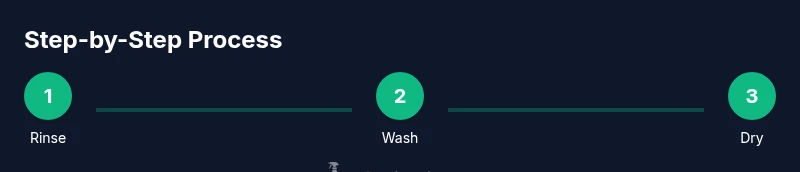
- 1
Set up wash area and tools
Choose a shaded area away from direct sun. Gather all supplies and fill the two buckets, labeling one for soap and one for rinse. Keep a trash bin handy for debris.
Tip: Set up a staging area to keep kids and pets away. - 2
Rinse vehicle to remove loose debris
Lightly rinse from the top down to knock off dirt. Avoid spraying too close to seams where grit can be driven into paint.
Tip: Use a broad spray pattern to minimize direct scrubbing. - 3
Wash with the two-bucket method
Dip mitt into soap bucket, wash small sections in a circular motion, then rinse mitt in the rinse bucket before returning to the car. Start at the roof and work downward.
Tip: Keep your wash mitt clean of grit to prevent scratching. - 4
Rinse the vehicle thoroughly
Rinse from top to bottom, ensuring all soap is removed. Move in straight lines to avoid streaks.
Tip: Avoid letting suds dry on the surface. - 5
Dry and consider light protection
Dry with a clean microfiber towel or chamois. If desired, apply a spray wax or sealant for a quick protective layer.
Tip: Pat dry rather than rub to minimize micro-marring.
Questions & Answers
What is the best soap for a snap clean car wash?
Choose a pH-neutral, car-specific soap. Avoid dish soap or harsh detergents that can strip wax. Use a gentle but effective product designed for automotive finishes.
Use a pH-neutral car soap; avoid dish soap.
Is a two-bucket method necessary for a quick wash?
The two-bucket method minimizes grit transfer from the road grime to the paint, reducing the risk of scratches. It is highly recommended for most DIY car washes.
Yes, two buckets help prevent scratches.
How can I avoid water spots after drying?
Dry the car promptly with clean microfiber towels and avoid letting soap residue dry. If spots form, buff them lightly with a dry towel or re-wet and dry again.
Dry quickly and buff spots if needed.
Can I wash my car in the driveway?
Washing in a driveway can run-off pollutants into drainage. Use a designated wash area or cover drains, and consider rinse-down with a bucket rather than a continuous hose.
Be mindful of runoff and local rules.
How long does a snap clean car wash take?
A well-executed wash typically takes 30-45 minutes depending on vehicle size and dirt level. Plan for extra minutes for wheels and details.
Usually 30-45 minutes.
Is it safe to use spray wax after washing?
Yes, a spray wax or quick sealant can add protection after drying. Follow product directions and avoid applying in direct sun.
Yes, with proper timing and shade.
Watch Video
The Essentials
- Use a two-bucket wash for paint protection.
- Dry thoroughly to prevent water spots and streaks.
- Choose car-specific soap; avoid household cleaners.
- Finish with a light wax or sealant for longevity.