What to Do to Cleanse Stomach: Safe Digestive Health Tips
Learn practical, evidence-based steps for supporting digestive health. This guide covers hydration, fiber, probiotics, daily habits, and safe approaches to ease stomach discomfort without risky cleanses.


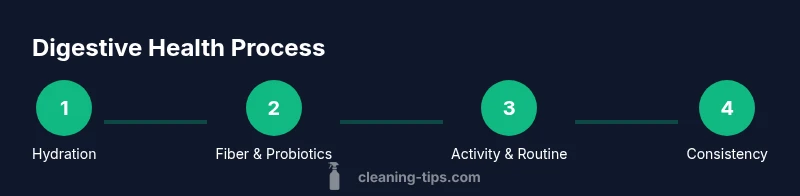
By focusing on digestive-friendly habits, you can support stomach comfort without risky cleanses. This guide explains what to do to cleanse stomach safely: prioritize hydration, increase dietary fiber gradually, choose probiotic foods, and avoid extreme detox products. Small daily changes can improve digestion, reduce bloating, and support overall gut health.
What the phrase means and why people seek it
When someone asks what to do to cleanse stomach, they're usually seeking relief from bloating, gas, or a feeling of heaviness after meals. In everyday language, many people equate a 'stomach cleanse' with purging toxins or resetting digestion with supplements or cleanses. However, there isn't a medical definition of a stomach cleanse, and aggressive detoxes can do more harm than good. According to Cleaning Tips, the healthier approach is to support your digestive system with consistent, evidence-based habits rather than short-lived detox myths.
The goal is not to force a dramatic internal purge but to reduce irritants, ease stress on the gut, and foster regular bowel movements. Practical steps center on hydration, fiber-rich foods, and friendly microbes. You’ll also want to recognize warning signs that require medical attention, such as severe pain, persistent vomiting, or unexplained weight loss. Think of digestive health as a long-term habit rather than a one-off cleanse. The emphasis should be on sustainable changes that fit your daily life and personal preferences, so you’re more likely to maintain them over weeks and months.
Hydration and fiber: the foundation
Hydration and fiber are the cornerstone of digestive health. Water helps soften stool and supports smooth transit through the intestines, while dietary fiber adds bulk and feeds beneficial gut bacteria. Aim for a steady intake of fluids throughout the day rather than a single large drink. Include both soluble fiber (found in oats, legumes, and apples) and insoluble fiber (found in whole grains, leafy greens, and vegetables) to support different parts of the digestive process. If you’re new to high-fiber foods, increase gradually over 1–2 weeks to minimize gas and bloating. Remember that hydration and fiber work best when paired with overall balanced meals.
Probiotics and gut-friendly foods
Probiotics are live microorganisms that can support gut balance when consumed regularly. Foods such as yogurt with live cultures, kefir, miso, sauerkraut, and kimchi can contribute beneficial bacteria to your gut microbiome. Start with small portions and choose products with live active cultures. Alongside probiotics, eat a variety of gut-friendly foods like yogurt, fermented vegetables, bananas, oats, and legumes. These elements work together with fiber to promote regular digestion and may reduce uncomfortable symptoms like bloating and irregularity.
Timing and portion control
How you time meals and portions can influence how your stomach feels. Regular meal times help your digestive system anticipate and process food more efficiently. Smaller, balanced portions reduce the risk of overloading the stomach, especially if you’re prone to bloating after large meals. Include a mix of protein, fiber, healthy fats, and carbohydrates in each meal. If you experience mid-meal hunger, choose a light, fiber-rich snack rather than large, high-fat dishes. Consistency matters more than perfection.
Addressing bloating and gas safely
Bloating and gas are common but can be distressing. Start by identifying potential triggers such as certain beans, dairy, carbonated drinks, or chewing gum. Practice mindful eating: eat slowly, chew thoroughly, and avoid talking while chewing to reduce swallowed air. Consider low-FODMAP options if you notice specific triggers, but do this under guidance to avoid unnecessary restrictions. If symptoms persist for several weeks or worsen, seek medical advice to rule out underlying conditions.
Foods to include and limit
A practical approach is to fill meals with minimally processed, whole foods: fruits, vegetables, whole grains, lean proteins, and healthy fats. Include gentle options like oats, berries, leafy greens, salmon, and lentil soups. Limit highly processed snacks, sugary beverages, and excess salt, which can aggravate bloating or discomfort. If dairy is a trigger, choose lactose-free or dairy alternatives and monitor your tolerance. Keeping a simple food diary can help you spot patterns and adjust over time.
Lifestyle factors for digestive health
Digestive health is influenced by more than just food. Regular physical activity promotes motility and digestion, while adequate sleep and stress management support gut function. Aim for at least 150 minutes of moderate exercise weekly, and incorporate stress-reduction techniques such as deep breathing or short meditation sessions. Avoid smoking and limit alcohol, as both can irritate the gut lining and disrupt digestion. Small daily routines—like a 10-minute walk after meals—can create meaningful improvements over time.
Sample day plan: a practical example
Morning: Start with a glass of water and a bowl of oatmeal topped with berries and a spoon of yogurt. Mid-morning snack: a banana with a handful of almonds. Lunch: a mixed salad with leafy greens, lentils, quinoa, olive oil, and lemon dressing. Afternoon: yogurt or kefir with sliced cucumber or carrots. Dinner: grilled fish, steamed vegetables, and a small portion of brown rice. Evening: a warm ginger tea and a short 20-minute walk. This kind of routine emphasizes hydration, fiber, probiotics, and gentle physical activity to support digestion.
Common myths and debunking detox claims
Detox diets and miracle cleanses promise rapid results but rarely offer lasting benefits. Most reputable sources, including Cleaning Tips analyses, emphasize sustainable habits over dramatic short-term programs. Rather than relying on pills or extreme fasting, focus on evidence-based practices: adequate hydration, diverse fiber intake, probiotic-rich foods, and regular physical activity. If a product makes bold claims about flushing toxins in a short time, treat it with skepticism and consult a healthcare professional before trying it.
Tools & Materials
- Reusable water bottle(Carry it with you; aim for 8 cups (about 2 liters) daily, more if active)
- High-fiber foods(Fruits, vegetables, whole grains, legumes; increase gradually)
- Probiotic foods(Yogurt with live cultures, kefir, miso, sauerkraut)
- Food diary(Track meals, symptoms, and triggers to identify patterns)
- Light activity plan(Daily walking or gentle movement after meals helps digestion)
- Basic kitchen staples(Whole grains, legumes, lean proteins, healthy fats for balanced meals)
Steps
Estimated time: 30-60 minutes
- 1
Define goals and baseline symptoms
Identify which digestive symptoms you want to improve (bloating, irregularity, discomfort) and document baseline patterns. This helps tailor the plan and measure progress over time.
Tip: Use a simple notebook to log symptoms and meal times; note changes over 1–2 weeks. - 2
Increase fiber gradually
Add fiber-rich foods in small increments to prevent gas and discomfort. Pair fiber with adequate fluids to aid digestion.
Tip: Start with one extra serving of vegetables or a small bowl of beans per day and build slowly. - 3
Boost hydration consistently
Spread fluid intake throughout the day and with meals. Hydration supports stool softness and gut motility.
Tip: Sip water with meals rather than chugging large amounts at once. - 4
Incorporate probiotic foods
Introduce foods with live cultures regularly to support gut flora balance. Monitor tolerance and adjust servings as needed.
Tip: Choose labeled products with live cultures and minimize added sugars in these foods. - 5
Add gentle activity
Engage in light daily movement, such as a 20–30 minute walk after meals, to promote intestinal motility.
Tip: Even brief activity after eating can reduce bloating and improve digestion. - 6
Track and adjust
Review diary entries to identify triggers and refine your meals and habits over time.
Tip: Be patient—meaningful improvements often unfold over several weeks.
Questions & Answers
Is there a scientific way to 'cleanse' the stomach?
There is no scientifically validated method to 'cleanse' the stomach. Sustainable digestive health comes from daily habits like hydration, fiber, and probiotics, not short-term cleanses.
There isn't a proven stomach cleanse; focus on everyday healthy habits instead.
Will fiber alone flush my stomach?
Fiber supports regular digestion and stool bulk, but it does not flush or detox the stomach. Pair with fluids and a variety of foods for best results.
Fiber helps digestion but doesn't flush the stomach by itself.
Can I use laxatives or detox products safely?
Laxatives and detox products can be harmful when misused. Only use under medical guidance and for approved medical reasons.
Laxatives and detox products should only be used under a clinician's guidance.
What are signs I should see a doctor?
Seek medical advice for severe abdominal pain, persistent vomiting, blood in stool, unintended weight loss, or symptoms lasting more than a few weeks.
See a doctor if you have severe pain, vomiting, or blood in stool.
Are probiotics proven to improve digestion?
Some probiotic strains may help with certain digestion-related symptoms, but effects vary by person. Consult a clinician for personalized advice.
Probiotics can help some people, but results vary; talk to a clinician for guidance.
How long does it take to see improvements?
Many people notice gradual improvements over several weeks with consistent hydration, fiber intake, and probiotic foods.
You might see changes in a few weeks with steady habits.
Watch Video
The Essentials
- Hydrate consistently and add fiber gradually.
- Incorporate probiotic foods for gut balance.
- Use a daily routine rather than short detoxes.
- Monitor symptoms and adjust habits over weeks.
- Seek professional advice for persistent or severe symptoms.