Clean Stains: A Practical How-To for Every Surface
A practical, step-by-step guide to clean stains on fabrics and surfaces. Learn stain types, safe temps, eco-friendly methods, and pro tips from Cleaning Tips for a healthier home.


This guide helps you remove common stains from fabrics, carpets, and hard surfaces in four reliable steps. You will learn how to identify stain types, choose safe temperatures, apply the right products, and test for colorfastness before treating. By following these steps, you’ll reduce damage and keep your home looking clean and fresh. Cleaning Tips shares practical methods for a healthier home.
Understanding stain types
Stains come in several families, and your first move determines success. Protein-based stains such as blood, dairy, and egg respond best to cold water and enzymatic cleaners. Tannin stains from coffee, tea, and wine often require a bit stronger treatment or oxidizers. Oil-based stains from grease, lotion, and makeup need solvent-like cleaners but can still be managed with dish soap and careful blotting. Dye-based stains from ink or dye transfer can set quickly if heat is applied.
According to Cleaning Tips, early identification helps tailor your approach and avoids over-treating or rubbing too hard, which can damage fibers. When in doubt, test cleaners on a hidden seam or corner of the fabric. Colorfastness matters; rubbing harshly or applying heat can cause colors to fade or spread. For the healthiest home, catalog stains as soon as they appear and choose a method aligned with the surface material: fabric, carpet, wood, or plastic.
People often underestimate the simplicity of stain removal when the right tools are ready. A clean starter kit with a stain remover, mild detergent, white cloths, and cold water makes most common household stains manageable. Keep a dedicated set of cloths for stained areas to prevent cross-contamination and preserve the integrity of your fabrics.
As you build your approach, remember that a calm, methodical plan beats rushed scrubbing. The Cleaning Tips team emphasizes consistent technique over brute force, which protects fibers and finishes.
Best of all, clean stains are manageable with the right mindset and a few dependable tools. When you start with a plan, you’re less likely to damage delicate fabrics or leave behind ghost marks that scream for re-cleaning.
Preparing surfaces and testing colorfastness
A thorough prep reduces effort and protects surfaces. Always work on a cool day or in a ventilated area to avoid chemical buildup. Before treating any fabric or upholstery, test colorfastness in a hidden area: apply a small amount of cleaner, wait 5-10 minutes, and blot with a white cloth. If color transfers or the fabric changes shade, stop and choose a gentler approach or a different cleaner. This step helps prevent permanent damage to your materials. For hard surfaces like countertops or tile, wipe a small area with your chosen cleaner and inspect for discoloration or dulling.
The Cleaning Tips team suggests using cold water for protein stains and to avoid hot water until you know the stain type. Also, gather your tools: microfiber cloths, a spray bottle, a soft brush, gloves, and a mild detergent. The goal is to apply just enough product to lift the stain without soaking the material.
Choosing cleaners by material and stain type
Different surfaces demand different strategies. For fabrics and clothing, enzyme-based cleaners excel on protein stains, while oxygen-based cleaners help with a wide range of organic stains. Oil-based stains (grease, makeup) respond to a mix of dish soap and gentle solvents. On carpets, use a blotting technique and avoid saturating the fibers. On hard surfaces like stainless steel counters or glass, a spray cleaner and microfiber cloth work well, but avoid abrasive scrubbers that can scratch.
Protein stains: cold water, enzyme cleaners, avoid heat to prevent setting. Oil stains: pre-treat with dish soap or a solvent-based cleaner, then rinse. Wine, coffee, and tea fall under tannin stains and often benefit from oxidizing cleaners or a vinegar-water rinse.
For delicate fabrics, use the gentlest cleaner that lifts the stain and test first. For upholstery and carpets, work in small sections to avoid soaking adjacent areas and use minimal moisture to prevent mold.
The stain removal workflow
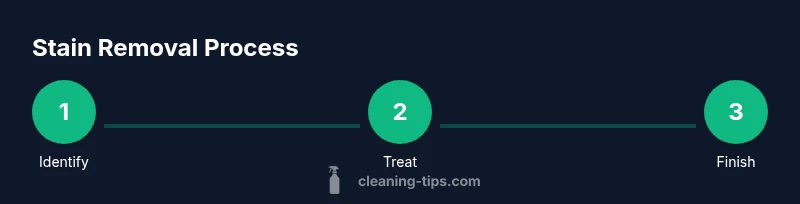
A practical workflow keeps you organized and efficient. Start with PREP: clear the area, protect the surface with a cloth, and apply a small amount of cleaner to a hidden patch for testing. MOVE to TREAT: apply the cleaner to the stain, following product directions, and allow it to dwell 5–15 minutes depending on stain severity. BL0T and RINSE: blot with a clean cloth or sponge, then rinse with cold water or mild detergent solution. EVALUATE: check if the stain is lifting; repeat steps if necessary and avoid over-wetting.
This approach minimizes fiber damage and keeps finishes intact, especially on delicate fabrics and polished surfaces. If a stain persists, switch to a targeted technique rather than piling on products, which can cause residue buildup.
Everyday stain removal recipes by surface
Fabrics and clothing:
- Use a mild detergent with cold water and test first. For protein stains, enzyme-based cleaners work best.
- If the stain lingers, apply a small amount of oxygen-based cleaner, then launder as usual using cold or warm water per care label. Carpets and upholstery:
- Blot with white cloths to lift moisture. For persistent stains, mix a solution of water and white vinegar (1:1), apply lightly, blot, and rinse.
- Avoid saturating carpet fibers; use minimal moisture and allow to air dry completely to prevent mold. Hard surfaces (kitchen, countertops):
- A drop of dish soap with warm water can cut grease on most surfaces. Wipe with a clean microfiber cloth and dry.
- For mineral stains or soap scum, a small amount of baking soda paste can help lift residue without scratching.
Prevention and aftercare:
- Treat fresh stains immediately, then rinse and dry. Prompt action prevents set-in stains and makes cleanup easier.
- Use protective mats and quick-drying cloths around high-traffic areas to minimize repeated exposure.
Authority sources
For further reading and safety guidelines, consult authoritative sources:
- https://www.epa.gov
- https://www.cdc.gov
- https://extension.oregonstate.edu
Tools & Materials
- Stain remover (enzyme-based or oxygen-based)(Choose type by stain category (protein vs general).)
- Liquid dish soap(Mild degreasing action for oil-based stains.)
- White vinegar(Dilute 1:1 with water for mild cleaners.)
- Baking soda(Good for lifting odors and mild stains.)
- Hydrogen peroxide 3%(Test on colorfast fabrics before use.)
- Cold water(Avoid hot water to prevent setting protein stains.)
- Spray bottle(For applying cleaners and rinsing.)
- Microfiber cloths(Use clean, white cloths to monitor staining.)
- Old toothbrush or soft-bristled brush(Light agitation for fabrics.)
- Gloves(Protect hands during cleaning.)
- Measuring spoons(Optional for precise cleaner amounts.)
- Small bucket(Useful for mixing solutions.)
Steps
Estimated time: 45-60 minutes
- 1
Identify stain type
Start by classifying the stain as protein-based, tannin-based, oil-based, or dye-based. This guides the cleaner choice and temperature. Use cold water to test and prevent set-in. Avoid heat until you’re confident the stain won’t bond.
Tip: Correct classification saves time and avoids fiber damage. - 2
Test colorfastness
Apply a small amount of cleaner to an inconspicuous area and wait 5–10 minutes. If color bleeds or fabric darkens, switch to gentler methods or a different product. This protects the item from accidental color loss.
Tip: Always test before full application. - 3
Apply cleaner and dwell
Apply cleaner to the stain following product directions. Allow 5–15 minutes for the cleaner to work, especially for tough organic stains. Do not let cleaners dry on the surface.
Tip: Letting the cleaner sit improves lift without aggressive scrubbing. - 4
Gently blot or brush
Use a clean microfiber cloth to blot from the outside in, or a soft brush for fabrics. Avoid heavy scrubbing that can damage fibers. Blot until you lift most of the stain.
Tip: Blot, don’t rub; pressing can drive stain deeper. - 5
Rinse or launder
Rinse with clean cold water, or launder according to the care label. For carpets, blot with clean water and repeat as needed. Ensure complete drying to prevent mildew.
Tip: Check for stain remnants before drying. - 6
Evaluate and repeat
Inspect the area after drying. If the stain remains, repeat the cleaning cycle with a different method or cleaner. For stubborn cases, consider professional cleaning for delicate textiles.
Tip: Persist with safer methods before escalating to harsher chemicals.
Questions & Answers
What is the first step I should take with any stain?
Identify the stain type and test colorfastness on a hidden area before applying cleaners. This prevents damage and guides the treatment. If uncertain, start with cold water and a mild cleaner.
First, identify the stain type and test colorfastness on a hidden area before applying cleaners.
Can I use hot water on stains?
Hot water can set some stains, especially protein-based ones. Use cold water for initial treatment and heat only if you’ve confirmed it won’t set the stain.
Avoid hot water unless you’ve confirmed it won’t set the stain.
Are enzyme cleaners better than oxygen cleaners?
Enzyme cleaners excel on protein stains and are gentle on fabrics. Oxygen cleaners are versatile for many organic stains but may be less effective on certain oils.
Enzyme cleaners are great for protein stains; oxygen cleaners cover many stains but aren’t universal.
Should I dry a treated area with heat?
No. Air dry or line dry after treatment to avoid setting any remaining stain. Only use heat if you’re certain the stain is fully removed.
Avoid heat during drying until the stain is fully removed.
How long should cleaners dwell on a stain?
Most cleaners work best after 5–15 minutes of dwell time. Do not let products dry completely on the fabric or surface, especially on delicate materials.
Let cleaners dwell for about 5 to 15 minutes, not longer.
What should I do for stubborn stains on carpets?
For stubborn carpet stains, blot with a mild cleaner, repeat as needed, and finish with a mild vinegar rinse and thorough rinse. If unresolved, seek professional cleaning.
For stubborn carpet stains, repeat treatment and consider professional help if needed.
Watch Video
The Essentials
- Identify stain type before treatment.
- Test colorfastness to protect fabrics.
- Blot instead of scrubbing to avoid damage.
- Rinse and air-dry before re-evaluating.
- Prompt cleaning prevents set-in stains.