What cleans the blood: A practical home cleaning guide
Discover practical, field-tested methods for cleaning blood stains from fabrics, carpets, and hard surfaces. This Cleaning Tips guide covers cold-water pre-treatments, enzyme cleaners, and safe aftercare to keep your home spotless.


This guide explains safe, effective ways to remove blood stains from fabrics, carpets, and hard surfaces using cold water, enzyme cleaners, and gentle detergents. Act quickly to prevent set-in stains and avoid heat, bleach, or harsh solvents on protein-based stains. You’ll find surface-specific methods, practical pre-treatments, and aftercare tips to keep your home fresh and stain-free.
Why Blood Stain Cleanup Matters
Blood stains are stubborn and can attract odors and bacteria if not cleaned promptly. For homeowners and renters, quick and proper cleanup reduces long-term damage to fabrics, carpets, and surfaces. According to Cleaning Tips, dealing with stains promptly prevents setting and makes future cleaning easier. This section explains why a prompt, safe approach matters and how a systematic plan keeps stain removal predictable, even for busy households. You’ll learn the key differences between fabrics, how protein-based stains behave, and why the right temperature and cleaner choice matters for long-term results.
Surfaces and Stains: Fabric, Carpet, and Hard Surfaces
Blood stains react differently on various surfaces. On fabrics, fibers absorb pigment, so cold-water rinses and enzyme cleaners are often most effective. On carpets, blotting and gentle extraction with a stain remover is recommended, followed by thorough drying to prevent mold. Hard surfaces like countertops or tiles respond well to diluted hydrogen peroxide or enzymatic sprays, but you should test an inconspicuous area first. Throughout this guide, Cleaning Tips emphasizes tailoring methods to surface type, ensuring each material receives appropriate care while avoiding damage.
Safe Cleaning Agents and When to Use Them
A small arsenal can cover most blood stain scenarios:
- Cold water for rinsing and diluting the stain.
- Enzyme-based stain removers that break down proteins.
- Mild liquid detergent or dish soap for pre-treating.
- Hydrogen peroxide (3%) for white fabrics or colorfast surfaces after an initial test.
- Baking soda or salt as a gentle paste for stubborn spots.
- Ammonia solution only for hard surfaces, never with bleach. Always start with the mildest option and avoid heat, which can set protein-based stains. Remember to follow label directions and never mix cleaners.
Safety and Safety Warnings
Blood cleanup requires basic safety hygiene. Wear gloves to protect skin, work in a ventilated area, and keep cleaners out of reach of children and pets. Never mix ammonia with bleach or hydrogen peroxide, as dangerous gases can form. If you notice fading, discoloration, or fabric damage, stop and reassess. These steps minimize risk while maximizing stain removal effectiveness.
Pre-Treatment Steps: Assessing the Stain
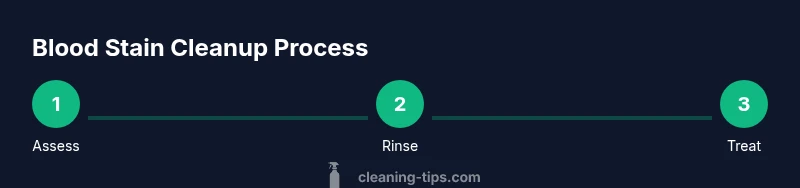
Before you begin, identify the fabric or surface and check care labels. If you have time, gently lift excess blood with a paper towel without pressing it further into the fabric. Rinse from the back of the stain with cold water to push the pigment out of the fibers. For delicate fabrics, place a clean cloth underneath and work from the outside edges inward to prevent spreading the stain.
Fabric Stains: Step-by-Step Approach
When cleaning fabric stains, start with cold-water rinsing, then apply enzyme cleaner or a small amount of mild detergent. Allow the cleaner to sit for 5–10 minutes before blotting with a clean towel. Rinse thoroughly and repeat if necessary. Dry on a low heat setting only if the fabric care label permits; otherwise air-dry away from direct sunlight. This approach minimizes fiber damage while maximizing stain removal.
Carpet and Upholstery Stains: Techniques that Work
Carpet and upholstery require careful extraction to avoid fraying or fiber damage. Blot the stain with a clean, white cloth after applying enzyme cleaner or mild detergent solution. Work from the outer edge toward the center to prevent spreading. For stubborn spots, gently scrub with a soft brush and rinse with clean water, then blot dry. Always test a hidden area first to confirm colorfastness.
Aftercare and Drying to Prevent Set-In
After a stain is removed, rinse the area well and blot dry with a clean towel. Avoid heat until you’re sure the stain is gone, as heat can set residual pigment. For fabrics, launder according to care labels with an enzyme-based detergent and air-dry completely. For carpets or upholstery, use a fan or dehumidifier to speed drying and prevent mold growth. Regular inspection helps catch missed traces early.
When to Call a Professional
If a stain covers a large area, involves delicate fabrics (silk, wool), or if you’re dealing with unknown substances, seek professional cleaning. Some stains are resistant to over-the-counter products and require specialized equipment. The Cleaning Tips team recommends professional assessment when you’re unsure about fabric safety or stain intensity.
Tools & Materials
- Cold water(Rinse from the back of the stain to push pigment out)
- White towels or clean cloths(Use new towels to avoid transferring colors)
- Enzyme-based stain remover(Effective on protein-based stains)
- Mild liquid detergent or dish soap(Pre-treat before washing)
- Hydrogen peroxide 3%(Test on colorfast fabrics; use sparingly)
- Baking soda or salt(Make a gentle paste for stubborn spots)
- Ammonia solution(Only for hard surfaces; never mix with bleach)
- Spray bottle(For applying cleaners evenly)
- Gloves(Protect hands during cleaning)
- Soft brush or cloth(Gentle agitation on fabrics)
Steps
Estimated time: Total time: 20-60 minutes
- 1
Assess stain and gather supplies
Identify fabric or surface care labels, and assemble all cleaners and tools before starting. This prevents mid-cleaning interruptions and reduces risk of damage from using wrong products.
Tip: Check label symbols (washing temperature, dry-clean only, etc.) before applying any cleaner. - 2
Rinse with cold water
Rinse the back of the stain with cold water to push the pigment out of the fibers. Do not use hot water, which can set the stain.
Tip: If possible, run water through the stain for 2–5 minutes. - 3
Apply enzyme cleaner or mild detergent
Apply a small amount of enzyme-based cleaner or mild detergent to the stain and gently work it in. Let sit for 5–10 minutes to loosen proteins.
Tip: Avoid scrubbing aggressively; blotting is usually enough. - 4
Rinse and blot
Rinse thoroughly with cold water and blot with a clean towel to remove loosened material. Repeat if the stain remains.
Tip: Blot from the outside in to prevent spreading. - 5
Use hydrogen peroxide or paste for persistence
For white fabrics or colorfast surfaces, apply a small amount of 3% hydrogen peroxide or a baking soda paste and blot. Rinse again.
Tip: Test an inconspicuous area first to ensure no discoloration. - 6
Air-dry and inspect
Allow the area to air-dry completely and inspect. If traces remain, repeat the treatment or switch to a more appropriate method for the surface.
Tip: Avoid using a heat source until the stain is fully gone.
Questions & Answers
Can I use hot water to remove blood stains?
Hot water can set protein-based stains, making them harder to remove. Use cold or room-temperature water first and only consider warm water after a successful cold-water treatment, if the fabric label permits.
Avoid hot water for protein stains; start with cold water and move to warmer temps only if the fabric allows.
Is hydrogen peroxide safe on colored fabrics?
Hydrogen peroxide can bleach colors. Test on a hidden area and use only on colorfast fabrics or white fabrics. If in doubt, skip peroxide and stick with enzyme cleaners.
Test first on a hidden area; hydrogen peroxide can bleach colors, so use with caution.
Should I use bleach on blood stains?
Bleach can damage fabrics and is not suitable for protein-based stains on most textiles. Treat first with enzyme cleaners and mild detergents, then consider bleach only if the fabric care label allows and colorfast.
Bleach isn’t typically recommended for blood stains on fabrics; follow safer cleaners first.
How long should enzyme cleaners sit before rinsing?
Let enzyme cleaners sit for about 5–10 minutes to give the enzymes time to break down proteins. Then blot and rinse thoroughly.
Let enzymes work for 5–10 minutes, then rinse.
What if the stain remains after washing?
If traces remain, repeat the treatment, or switch to a different method suitable for the fabric. Do not dry in a dryer until the stain is fully gone.
If the stain stays, repeat the treatment or try another method before drying.
Watch Video
The Essentials
- Start with cold water for all protein-based stains
- Enzyme cleaners are your first line of defense
- Avoid heat and bleach on protein stains
- Tailor methods to fabric or surface type
- When in doubt, seek professional help