How to Clean Blood Stains: A Practical Home Guide Today
Learn how to clean blood stains from fabrics, upholstery, and carpets with step-by-step methods, safe cleaners, and expert tips. Quick actions, fabric-specific strategies, and pro advice for a healthier home.


You’ll learn a clear, fabric-safe approach to removing fresh and dried blood stains from clothes, bedding, carpets, and upholstery. Start with cold water rinses, blotting, and enzyme-based pretreatments, then launder or repeat as needed. This guide covers fabric specifics, safe cleaners, and when to seek professional help.
Why blood stains are tricky and why proper handling matters
Blood stains present a chemistry puzzle: they are protein-rich and can bond to fibers when heat is applied or when they dry. Cleaning Tips emphasizes that immediate, cold-water treatment helps prevent proteins from setting, while avoiding heat keeps fibers intact. According to Cleaning Tips, the safest approach is to test colorfastness in an inconspicuous area before applying cleaners, then choose a method based on fabric type and stain age. The science behind staining shows that hot water can cause proteins to coagulate and bonds to form between pigment and fabric, making stains much harder to remove. This is why you should blot rather than rub, and why you should separate fabrics by color and material. Cleaning Tips Team also notes that a combined approach—mechanical agitation, chemical pretreatment, and proper washing—yields the best results. The takeaway is simple: act quickly, test safety, and follow a staged plan to minimize damage and maximize stain removal.
Immediate response: act within the first minutes
The first few minutes after a blood spill determine how much stain you can recover. Start by removing any excess dried material gently with a clean cloth, then rinse the stain under cold running water or submerge the fabric in cold water for at least 5–10 minutes. Do not use hot water at this stage, as heat can set the stain. Blot, don’t rub, to lift pigment from fibers, and place a clean towel underneath to prevent transfer to other surfaces. If you’re dealing with upholstery or carpet, use a damp cloth to blot from the outside in to avoid spreading. For textiles that tolerate it, apply a small amount of mild detergent or enzyme cleaner and let it sit for 5–10 minutes before rinsing again. By following these steps, you reduce the amount of stain that will need heavier treatment later.
Fabric-specific strategies: clothes, bedding, carpet, upholstery
Different materials need different tactics. On cotton and polyester blends, cold-water rinses followed by an enzyme-based stain remover usually works well after blotting. Bedding and sheets often respond quickly to a pre-soak in cold water with a splash of mild detergent. For carpet and upholstery, avoid soaking the area; instead, use a spray of water and a light cleaning solution, then blot with a clean towel. Always test a hidden area first to ensure colorfastness. If the fabric is colorfast, you can proceed with a second round of pretreatment before washing. For delicate fabrics like silk or wool, use only approved stain removers designed for those fibers and consider hand washing. The right approach minimizes fiber damage while maximizing stain lift.
Safe cleaning agents and when to use them
Opt for cold water and enzyme-based stain removers as the foundational approach. Enzymes break down proteins in the stain, making removal easier without heat. A mild detergent dissolved in cold water can work on many fabrics, especially cotton blends. For whites or colorfast fabrics, a small amount of 3% hydrogen peroxide can act as a gentle oxidizer, but you should always perform a colorfast test first and avoid using peroxide on colored or dyed fabrics that might fade. White vinegar can be a supplementary option for odor and residue control, but it should be tested first to ensure no discoloration. Avoid chlorine bleach on colored fabrics. Remember to keep solutions well-diluted and never mix ammonia with bleach due to hazardous fumes. These agents, used thoughtfully, reduce staining without compromising fabric integrity.
Step-by-step field guide: how to apply treatments
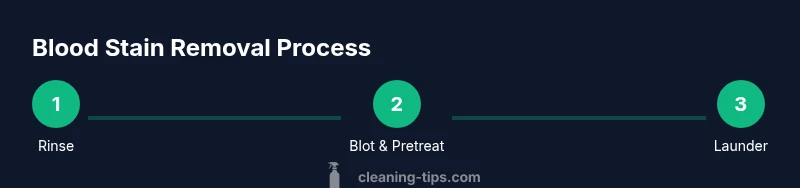
- Rinse with cold water to remove as much stain as possible. 2) Blot the area with a clean cloth to lift pigment without rubbing. 3) Apply enzyme-based stain remover or a mild detergent and let sit for 5–10 minutes. 4) Rinse again with cold water and check for remaining pigment. 5) If fabric allows, launder according to the care label using cold water; air dry to verify stain removal. 6) For stubborn areas, repeat the pretreatment and washing cycle as needed. 7) On upholstery or carpets, use a gentle spray-and-blot method and avoid saturating the fiber. Pro tip: never expose stained fabric to heat until you’re confident the stain is fully removed.
Drying, laundering, and verification
After treatment, air-dry the fabric in a well-ventilated area away from direct heat to ensure you can see the stain without heat setting. If the stain persists after washing, repeat pretreatment and laundering steps; do not tumble-dry until you confirm the stain is gone. For carpets, use a clean cloth to blot excess moisture and let the area dry completely before walking over it. Verification is key: check under different lighting and inspect for any color changes. If the stain resists multiple attempts or if the fabric is delicate or valuable, consider seeking professional cleaning advice.
Special cases: old stains, delicate fabrics, and colorfast tests
Old stains require patience: they often need a longer soak in cold water with an enzyme cleaner or a repeat of gentle pretreatment. Delicate fabrics—silk, wool, or rayon—should be treated with products labeled safe for those fibers, and you may prefer hand washing over machine washing. Always perform a colorfast test in an inconspicuous area before applying cleaners widely. If you notice color loss or fabric damage, stop and switch to milder methods or consult a professional. Colorfastness matters: if you aren’t sure whether a fabric will fade, err on the side of caution and skip peroxide or bleach, using only approved products for that fiber.
When to call a professional and what to expect
If a stain proves stubborn after multiple gentle attempts, or if you’re dealing with antique fabrics, upholstery with backing, or environmentally sensitive materials (e.g., antique carpets), a professional cleaner can be a smart choice. Professionals have access to advanced enzymes, controlled temperature cleaning, and stain-specific formulations. They can also assess potential dye bleed and ensure the fabric’s integrity isn’t compromised. The Cleaning Tips team recommends weighing the importance of preserving material versus the effort of repeated home treatment when stains don’t respond to standard methods.
Tools & Materials
- Cold water(Preferred temperature to prevent setting proteins)
- Clean towels or microfiber cloths(For blotting and absorbing moisture)
- Mild detergent or enzyme-based stain remover(Choose enzyme cleaners for protein-based stains)
- Bowl or basin(For soaking smaller items)
- Hydrogen peroxide 3%(Use only on whites or colorfast fabrics; test first)
- White vinegar (optional)(Odor control; test fabric first)
- Color-safe stain remover spray(On fabrics that tolerate spray-on products)
- Colorfast pen or color remover (optional)(For sensitive fabrics after testing)
- Washing machine (optional)(Follow care label; use cold cycle)
Steps
Estimated time: 45-75 minutes (active steps) plus potential drying time
- 1
Rinse with cold water
Hold the fabric under cold running water or soak in cold water to flush out as much blood as possible. Avoid warm or hot water, which can set the stain.
Tip: Do this as soon as possible for best results. - 2
Blot, don’t rub
Place a clean cloth under the stain and gently blot from the outside toward the center to prevent spreading. Consider using a fresh section of cloth as you work.
Tip: Rubbing can push stain deeper into fibers. - 3
Pretreat with enzyme cleaner
Apply enzyme-based stain remover or a mild detergent directly to the stain and let it sit for 5–10 minutes to break down proteins.
Tip: Test on an inconspicuous area first if fabric color is unknown. - 4
Rinse again and assess
Rinse the area with cold water and check if pigment remains. If necessary, repeat pretreatment.
Tip: If stain persists, do not dry; proceed to laundering after another pretreat. - 5
Launder as directed
Wash according to the fabric care label in cold water with an appropriate detergent. Do not use hot water until you're sure the stain is gone.
Tip: Air-dry first to verify stain removal before using a dryer. - 6
Verify and repeat if needed
Inspect the item after washing. If any trace remains, repeat pretreatment and washing cycle. Drying can set remaining stain.
Tip: Never dry a stained item in a dryer until stain is fully removed.
Questions & Answers
Can you remove dried blood stains from fabric?
Dried stains are harder but often removable with a cold-water soak and enzyme pretreatment. Repeat as needed and avoid heat until the stain is completely lifted.
Dried blood stains can often be removed using cold water and enzyme pretreatment; you may need to repeat the process a couple of times.
Is hydrogen peroxide safe for all fabrics?
No. Test colorfastness first and avoid peroxide on colored fabrics unless the label confirms compatibility. Use only on whites or colorfast fabrics as recommended.
Hydrogen peroxide can bleach some fabrics; test first and only use on safe fabrics.
Can I use bleach on blood stains?
Bleach is only safe on pure white, colorfast fabric. It can cause color loss and fabric damage on colored materials.
Bleach can remove color and damage fabrics, so use it only on white, colorfast items.
How long should I wait after applying a pretreatment?
Allow 5–10 minutes for enzymatic pretreatment to work, then rinse and launder as usual.
Give the cleaner a few minutes to work before washing.
What should I do if the stain returns after washing?
Repeat the pretreatment and washing cycle. If it persists, consider a professional cleaning service.
If it comes back after washing, try again with pretreatment; if still there, call a pro.
Are professionals necessary for all stains?
Not always. Many stains lift with the right steps, but very old stains, delicate fabrics, or large areas may require professional help.
Usually not, but some situations benefit from a professional cleaner.
Watch Video
The Essentials
- Act quickly with cold water to prevent setting.
- Test colorfastness before wide application.
- Choose enzyme-based pretreatment for protein stains.
- Avoid heat until stain is fully removed.
- Dry only after confirming stain removal