How to Clean Blood Stains: A Step-by-Step Home Guide
Learn proven methods to remove blood stains from fabrics and surfaces. This practical guide covers timing, cleaners, fabric types, and troubleshooting to keep your home stain-free.


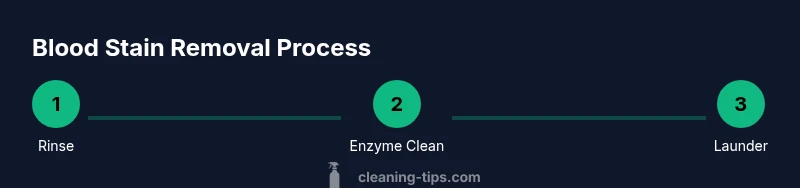
Blood stain removal is quickest and safest when you start with cold water, blot gently, and apply an appropriate cleaner (enzyme-based or hydrogen peroxide) for the fabric. Do not heat until the stain is removed, then launder. See our full step-by-step guide for specifics.
Understanding what clean blood stains really means and why timing matters
Blood stains are protein-based and set differently from dye-based marks. For homeowners aiming to keep fabrics looking fresh, the word “clean blood stains” takes on real meaning when you act quickly. Cold water helps prevent proteins from binding to fibers, while heat can cook proteins and make stains harder to remove. Enzyme cleaners excel at protein breakdown, especially when used early. Cleaning Tips emphasizes that the best results come from calm, methodical action rather than scrubbing aggressively. If you follow a plan, you’ll minimize fiber damage and maximize the chance of full stain removal. The goal is to restore the fabric’s original color and texture without leaving behind residues that could attract new stains. Throughout this guide, you’ll see practical steps, specific product suggestions, and fabric-specific cautions to support you in clean blood stains scenarios.
Immediate actions before cleaning
The first minutes after a spill are critical. Gently blot the stain with a clean, color-safe cloth to remove excess liquid; avoid rubbing, which can push the stain deeper. Rinse from the backside under cold running water to push the stain out of fibers rather than deeper into them. If you can’t rinse immediately, cover the spot with a clean cloth to prevent spreading and return to it as soon as possible. For solid residue, lift gently with a spoon rather than scrubbing with a rough pad. Resist the urge to apply heat or dry the fabric, as heat will set the stain and make removal far more difficult. These steps align with Cleaning Tips’ approach, which stresses prompt, controlled action over aggressive scrubbing.
Choosing cleaners wisely: enzymes, hydrogen peroxide, vinegar, and detergents
Enzyme-based cleaners target the protein content of blood, making them a strong first choice for many fabrics. Apply as directed and allow a brief dwell time before rinsing. Hydrogen peroxide (3%) is a useful option for white or colorfast fabrics when used sparingly and tested on a hidden area first. White vinegar can serve as a pre-rinse on certain surfaces but should not be used on stone or delicate finishes. Mild dish soap helps detach oils and emulsify fats in some fabrics. Oxygen bleach can be effective for whites and color-safe fabrics, but always check fabric care labels before using it. The choice of cleaner should consider fabric type, stain age, and the home environment to avoid damage and ensure a clean result.
Fabric-specific strategies: cotton, synthetics, wool, and silk
Cotton and cotton blends usually tolerate enzyme cleaners and mild detergents well, combined with cold water rinses. Synthetics like polyester are often forgiving but still benefit from a cold rinse and gentle laundering. Wool and silk require extra care: avoid harsh enzymes or peroxide on silk, and test any cleaner on a seam or hem first. For delicate fabrics, consider hand washing with a tiny amount of mild soap and cold water, then air dry. Always follow care labels, and adjust your method to the fabric’s colorfastness and weave. By tailoring your approach to each material, you’re more likely to preserve texture and color while removing the stain.
Dried stains and tough fabrics: reviving set stains
Dried blood is tougher because proteins have bonded with fibers. Re-wet the area with cold water, then reintroduce your chosen cleaner, letting it dwell longer if the stain is stubborn. Enzymes may require 10–15 minutes of contact, while hydrogen peroxide might be limited to a brief application on certain fabrics. If the stain persists after washing cycles, do not tumble dry; instead, air-dry and repeat the treatment. For fabrics that cannot tolerate cleaners, you may need professional cleaning. Patience and repeated, controlled treatments are often the most effective path to restoration.
Surfaces and upholstery: tackling non-fabric stains
Blood on carpets, upholstery, or mattresses responds differently than fabric garments. Blot and sponge with cold water, then apply an appropriate cleaner in a small test area. On upholstery, avoid saturating padding; work in small bursts and rinse to remove cleaner residues. For carpets, a pattern of blotting and light suction can lift stains without over-wetting. If staining is persistent, consider a click-through to professional cleaning guidance and check warranty implications for treated materials. The same principles apply: start cool, test first, and avoid heat until you’re confident the stain is released.
Maintenance: preventing future stains and building a clean-blood-stains routine
To reduce recurrence, set up a quick-clean routine: blot spills immediately, rinse with cold water, spot-clean on a schedule, and launder with a suitable detergent. Store stain removers away from children and pets, and label containers clearly. Regular fabric care, like gentle washing cycles and avoiding high-heat drying, helps prevent protein-based stains from setting. By incorporating prevention into your weekly cleaning, you’ll spend less time dealing with stubborn stains and keep fabrics looking newer longer.
Common mistakes to avoid
Rushing to heat or dryer temperatures before confirming stain removal can permanently set blood stains. Rubbing prints fibers and spreads the stain, compounding the problem. Relying on a single cleaner without testing compatibility with the fabric can cause color fading or texture damage. Skipping a patch test on an inconspicuous area is a frequent misstep; always test, especially on dark or bright fabrics. Finally, neglecting to check for stain remnants after washing can leave a faint halo that’s harder to treat later.
Tools & Materials
- Cold water(Rinse and pre-wet; use as cool as comfortably possible)
- White microfiber cloth(For blotting without transferring color)
- Enzyme-based stain remover(Apply per label; ideal for protein-based stains)
- Hydrogen peroxide 3%(Test on colorfast fabrics; use sparingly)
- Mild liquid dish soap(Gentle degreaser for some fabrics)
- White vinegar(Pre-rinse on select surfaces; avoid stone)
- Baking soda(Paste for fresh stains; patch test first)
- Oxygen bleach (color-safe)(Follow label; best for whites or color-safe fabrics)
Steps
Estimated time: 60-90 minutes
- 1
Stop and blot
Gently blot the stain with a clean cloth to remove excess liquid. Do not rub, which pushes the stain deeper. If possible, rinse from the backside with cold water to push the stain out of fibers.
Tip: Use a clean area of the cloth for each dab to avoid re-depositing stain. - 2
Apply enzyme cleaner
Follow the product label and apply enzyme-based cleaner to the stain. Let it sit for 5–10 minutes to break down proteins, then blot again to remove residues before rinsing.
Tip: Test on a hidden seam first to ensure colorfastness. - 3
Use hydrogen peroxide if needed
On colorfast fabrics, apply a small amount of 3% hydrogen peroxide and let it bubble lightly. Rinse with cold water and blot dry. Do not leave it on delicate fabrics for long durations.
Tip: Patch test first; avoid dark or bright fabrics that may bleach. - 4
Rinse and launder
Rinse thoroughly with cold water, then launder as directed on the care label. Check the stain before drying; heat can set any remaining residue.
Tip: If stain persists, repeat treatment rather than using heat. - 5
Handle delicate fabrics
For silk or wool, consider hand washing with cold water and a mild detergent, or seek professional cleaning for stubborn stains. Avoid strong solvents that could damage fibers.
Tip: Always follow garment care instructions on labels. - 6
Final check and dry
Air-dry the fabric after washing and inspect in good light. If any trace remains, treat again. Once fully stain-free, resume normal drying methods.
Tip: Never machine-dry until you’re sure the stain is fully removed.
Questions & Answers
What is the fastest way to remove a fresh blood stain?
Blot gently, rinse with cold water, apply enzyme cleaner, and launder. Avoid heat until the stain is gone.
Gently blot, rinse with cold water, use an enzyme cleaner, and launder. Do not use heat until the stain is fully removed.
Can I use hot water on blood stains?
No. Hot water can set proteins and make the stain harder to remove. Use cold water first and proceed with appropriate cleaners.
No, hot water can set the stain. Start with cold water and proper cleaners.
Is hydrogen peroxide safe on all fabrics?
Not on all fabrics. Patch test on colorfast areas first and use low concentrations with caution, especially on colored fabrics.
Patch test first; hydrogen peroxide isn’t safe on every fabric, especially colored ones.
What should I do if a stain dries?
Re-wet with cold water and reapply enzyme cleaner or hydrogen peroxide if appropriate, then launder again. Dried stains may require repeat treatment.
If the stain has dried, re-wet and re-treat with an appropriate cleaner, then wash again.
Can vinegar help with blood stains?
Vinegar can be used as a pre-rinse on some surfaces, but avoid stone or highly reactive finishes. Always test first.
Vinegar can help on some surfaces after patch testing, but avoid stone surfaces.
Should I dry the garment after cleaning?
Air dry until you confirm the stain is removed. Heat can set any remaining residue.
Air dry first and check that the stain is gone before using heat.
Watch Video
The Essentials
- Act quickly after a spill to improve outcomes
- Start with cold water and gentle blotting
- Test cleaners first and follow fabric care labels
- Avoid heat until stain is confirmed removed