How to Clean Tennis Shoes: A Practical Step-by-Step Guide
Discover practical, safe methods to clean tennis shoes at home. Learn materials, step-by-step cleaning, stain treatment, drying tips, and maintenance to extend shoe life with the Cleaning Tips approach.


You’ll learn how to clean tennis shoes safely and effectively without damaging materials. Start by removing laces and insoles, then loosen dirt with a soft brush. Mix mild soap with water, scrub gently, rinse with a damp cloth, and let air-dry away from direct sun. For stubborn stains, apply baking soda paste.
Why Clean Tennis Shoes Matter
Keeping clean tennis shoes isn’t just about looking fresh on the court; it also protects your feet and preserves the shoe materials over time. Regular cleaning helps reduce odor, prevents dirt from embedding into fabrics, and prolongs the life of the outsole and midsole. The Cleaning Tips team emphasizes that a consistent, simple routine beats sporadic, aggressive cleaning. When you dedicate a few minutes after workouts, you’ll notice your shoes stay more comfortable and perform better on the next game. This section explains why regular cleaning is a smart habit for any player, whether you’re a casual court user or training for competition. It also highlights how different fabrics—mesh, leather, suede, and rubber—respond to cleaning, so you know what to expect and what to avoid. By understanding materials, you’ll choose safer cleaners and gentler methods that protect color and texture. Remember, clean tennis shoes contribute to your overall foot health and athletic performance in the long run.
According to Cleaning Tips, a practical routine can significantly improve odor control and fabric integrity. With a minimal investment of time and simple tools, you can extend the life of your footwear and stay ready for the next match without carrying extra gear or risking damage from harsh chemicals.
Materials and Surfaces: Understanding What You’re Cleaning
Shoes come in a variety of materials, and each type requires slightly different care. Mesh and knit uppers benefit from gentler cleaning and quick drying, while leather can tolerate slightly more rigorous cleaning but needs conditioning afterward. Suede, on the other hand, demands the most care to avoid water stains and texture damage. Start by identifying the materials used in your tennis shoes (check the label inside the tongue or the manufacturer’s site). If you’re unsure, practice on a small, inconspicuous area before fully cleaning. For white or light-colored sneakers, a brighter result is often easier to achieve, but colorfastness must be preserved to avoid fading. For outsoles and midsoles, a stiffer brush can help dislodge caked dirt without scratching the surface. Understanding material responses helps you select the right cleaner, avoid over-wetting, and preserve color, shine, and flexibility.
Tools and Safe Cleaning Agents: What You’ll Need
Having the right tools makes cleaning faster and safer. A soft-bristled brush (or old toothbrush for crevices) is essential for lifting dirt without abrading surfaces. Microfiber cloths are ideal for wiping away residue and drying. A mild detergent or sneaker cleaner diluted in warm water provides a gentle cleaning action that won’t degrade adhesives or fabrics. For stain treatment, a baking soda paste (baking soda + water) can help lift set-in marks on white or light-colored sneakers. A small bowl, a basin or sink, and a towel to dry the area are helpful. Optional items include white vinegar for deodorizing and laces/insoles that can be pre-soaked or cleaned separately. If your shoes contain leather or suede, consider suede-safe cleaners and conditioners to maintain texture. Always test cleaners on a hidden area before full application. This approach minimizes color loss and keeps your shoes looking newer longer.
Step-by-Step Cleaning Method for Most Materials
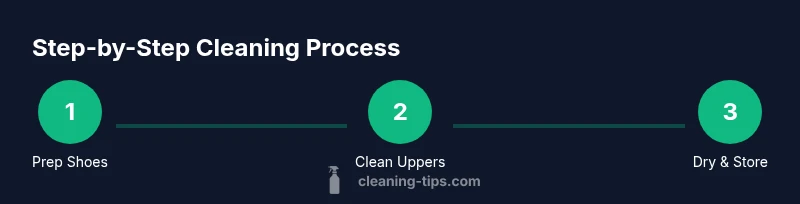
- Prep the shoes: Remove laces and insoles to expose all surfaces. This helps cleaning reach deep into seams and eyelets. 2) Dry brush: Use a soft brush to remove loose dirt and sand. 3) Mix cleaner: Combine a small amount of mild detergent with warm water, creating a gentle cleaning solution. 4) Clean uppers: Dip a cloth or brush into the solution and gently scrub the upper areas in circular motions. 5) Scrub midsoles and outsoles: Use a firmer brush to clean crevices and grooves; rinse with a damp cloth to remove soap residue. 6) Dry: Wipe excess moisture with a towel and air-dry away from direct heat. Do not use a dryer or heater, as heat can warp adhesives or damage materials. Pro tip: work in small sections and keep the shoes evenly damp to prevent water pooling in one area. Time estimate: about 30-60 minutes for cleaning, plus additional drying time.
Deep Cleaning for Stubborn Stains (White and Light-Colored Shoes)
Stubborn stains may require a deeper approach. Apply a small amount of baking soda paste to stained areas and let sit for 5-10 minutes before scrubbing gently with a soft brush. For organic stains like grass or mud, a brief re-wash with mild soap can lift the stain more effectively than repeated scrubbing. If you’re cleaning white leather or synthetic uppers, a small amount of hydrogen peroxide mixed with water can help brighten, but always perform a spot test first and avoid dyed areas. After treatment, thoroughly rinse with a damp cloth to remove all residue. Deep cleaning is best done after a routine cleaning session, not as a substitute for regular maintenance. Safety note: avoid soaking leather or suede, and never use bleach on colored fabrics unless the care label explicitly allows it.
Drying, Odor Prevention, and Storage
Air-drying is essential for preserving shape and material integrity. Stuff the toe boxes with clean paper or socks to help absorb moisture and maintain form during drying. Keep the shoes away from direct sunlight and heat sources, which can cause fading, shrinking, or cracking. Once dry, re-lace the shoes and reinsert insoles if you removed them. To prevent odors, apply a light sprinkling of baking soda inside the shoes and leave overnight, then shake out before wearing. For ongoing odor control, consider a portable shoe rack or breathable storage bag to improve air circulation between wears. Proper drying and odor management not only extend life but also keep your feet comfortable during play. Cleaning Tips suggests pairing routine cleaning with a weekly deodorizing step for best results.
Maintenance Routine and Pro Tips for Longevity
Developing a short, repeatable routine makes cleaning tennis shoes part of your weekly schedule. A 10-minute weekly wipe-down after workouts, plus a deeper clean every 2-4 weeks (depending on usage), can significantly extend the life of uppers and outsoles. Rotate between two pairs to reduce wear on a single pair and allow fabrics to recover between uses. Use sneaker-specific cleaners that are pH-balanced to protect adhesives and fabrics. For white shoes, consider a gentle whitening step every month to maintain brightness without weakening materials. The Cleaning Tips team recommends documenting your routine and adjusting it based on court conditions and weather, which can affect dirt accumulation and odor development.
Common Mistakes to Avoid
- Soaking shoes or leaving them submerged; excessive moisture can weaken adhesives and warp shapes. - Using harsh chemicals or bleach on colors; this can fade dyes and degrade materials. - Ignoring insoles and laces; dirty insoles can reintroduce odor after cleaning. - Placing shoes near heat or in direct sunlight; this may crack leather and shrink fabrics. - Expecting instant results; most cleaning requires time for best results, especially if stains have set in.
Cleaning Tips Stats and Real-world Results
Based on Cleaning Tips analysis, regular maintenance improves odor control and preserves material integrity over time. The guidance emphasizes that small, consistent cleaning sessions beat aggressive, infrequent scrubbing. This evidence-based approach aligns with court-use realities, where shoes collect dust, grass, and clay that can become embedded without routine care. The takeaway is simple: integrate a brief cleaning routine into your weekly schedule to keep your tennis shoes in top condition and ready for the next match. The Cleaning Tips team also notes that using mild cleaners and gentle brushes minimizes the risk of damage while delivering noticeable improvements in appearance and feel.
Quick Routine You Can Implement This Week
If you’re short on time, try this four-step routine: (1) Remove laces and insoles, (2) Brush away loose dirt, (3) Wipe with a cloth dipped in soapy water, (4) Air-dry completely. This streamlined approach can be completed in under 20 minutes and set you up for a longer, more thorough clean later. The goal is to establish a habit that keeps your footwear hygienic, visually appealing, and comfortable on the court. As you gain confidence with basic care, you can add deeper cleaning for stubborn stains and odor control as needed. The Cleaning Tips team will be here to support you with tips and fresh ideas for different materials and colors.
Tools & Materials
- Soft-bristled brush(Use for removing surface dirt; avoid harsh scrubbing)
- Old toothbrush(For crevices and eyelets)
- Mild detergent or sneaker cleaner(Dilute in warm water)
- Bowl of warm water(For mixing cleaner)
- Microfiber cloths(Soft, lint-free drying)
- Baking soda(For paste and deodorizing)
- Water (for rinsing)(Clean, lukewarm)
- White vinegar (optional)(Deodorizing, dilute 1:1)
- Laces and insoles(Can be washed separately)
- Old towel or drying rack(Protects surfaces during dry time)
Steps
Estimated time: 60-90 minutes total including drying
- 1
Prepare shoes
Remove laces and insoles to expose all cleaning surfaces. Inspect for spots that may need special attention. Laces can be washed separately in warm water with a little detergent.
Tip: Laces can be scrubbed with the same solution; air-dry fully before relacing. - 2
Loosen dirt
Brush the exterior to lift loose dirt from fabric, mesh, and rubber. Work in short, even strokes to avoid pushing dirt deeper into the material.
Tip: Use a toothbrush for tight areas like stitching and outsole edges. - 3
Prepare cleaning solution
Mix a small amount of mild detergent with warm water in a bowl. For stubborn odors, add a splash of white vinegar; test on a hidden area first.
Tip: Always start with the mildest solution and increase only if needed. - 4
Clean uppers
Dip the cloth or brush into the solution and gently scrub the uppers in circular motions. Rinse cloth frequently to avoid redepositing dirt.
Tip: Avoid soaking materials like leather; use minimal moisture on such areas. - 5
Clean midsoles and outsoles
Use a firmer brush to scrub the midsoles and treads, paying attention to grooves. Wipe away residue with a damp cloth.
Tip: For sticky residues, a soft paste of baking soda and water works well. - 6
Dry and reassemble
Pat shoes dry with a towel and place them on a drying rack or in a well-ventilated area away from direct heat. Reinsert insoles and laces once completely dry.
Tip: Stuffing toe boxes with paper speeds drying and helps maintain shape.
Questions & Answers
Can I put tennis shoes in the washing machine?
Machine washing can be risky depending on materials. Use a gentle cycle in a mesh bag, with a small amount of detergent, and air-dry completely. Check labels before washing.
Machine washing can work for some shoes, but always check the care label and use a gentle cycle with air-drying afterward.
What cleaners are safe for white leather sneakers?
Use a mild soap or sneaker cleaner diluted in water. Avoid bleach on dyed or colored areas and test a small area first.
Use mild soap or sneaker cleaner, test first, and avoid bleach on colored spots.
How do I dry sneakers without warping?
Air-dry in a ventilated area away from direct heat. Stuff toe boxes with paper to help hold shape and speed drying.
Air-dry away from heat and stuff the toes to keep their shape.
Can baking soda remove odors from all shoes?
Baking soda helps with odors but isn’t a miracle fix. Use it inside shoes between wears and combine with proper cleaning.
Baking soda helps odors but isn’t a miracle cure; use it alongside regular cleaning.
How often should I clean tennis shoes?
For active use, light cleaning weekly plus a deeper clean every 2-4 weeks depending on wear and court conditions.
Clean weekly, and do a deeper clean every few weeks depending on use.
Is cleaning with vinegar safe on rubber and fabric?
Diluted vinegar is generally safe for many fabrics, but always test first and avoid dyed areas that may bleed color.
Diluted vinegar can be safe for many fabrics; test first and avoid dyed parts.
Watch Video
The Essentials
- Remove debris first to prevent staining.
- Use mild cleaners to protect materials.
- Air-dry completely to avoid warping.
- Spot-clean stains promptly to prevent set-in marks.
- Schedule a regular cleaning routine for longevity.