kb clean and press: A Practical Home Guide to Cleaning and Pressing
Master home fabric care withkb clean and press: learn stain removal, washing, drying, and precise ironing. This expert guide from Cleaning Tips provides step-by-step instructions, tips, and safety precautions for durable, wrinkle-free results.


With kb clean and press, you can safely clean fabrics at home and press them to restore crispness. This guide walks you through fabric prep, stain treatment, washing by fabric type, proper drying, and precise ironing. You’ll learn how to test colorfastness, choose correct temperatures, and avoid common heat-damage mistakes for durable, professional-looking results.
Why kb clean and press matters
The concept of kb clean and press isn’t just about making clothes look sharp; it’s about extending fabric life, maintaining color, and reducing wear from improper cleaning methods. According to Cleaning Tips analysis, consistent care using appropriate temperatures and gentler cycles reduces pilling, fading, and shrinkage. Home care that respects fabric types also lowers the likelihood of needing professional repairs. The Cleaning Tips team finds that a deliberate approach to washing, drying, and pressing pays dividends in fit, feel, and longevity, especially for everyday wardrobe staples. This guide focuses on practical, repeatable steps you can apply to most cottons, blends, and synthetics while avoiding common heat-related damage.
Key principles for safe fabric cleaning
Safe fabric cleaning begins with knowing your material. Always check care labels and sort by fabric type before washing. Use the gentlest effective cycle for delicates and a warmer, but safe, option for sturdy fabrics. Water temperature should align with fiber tolerance: cooler for darks to prevent color bleed, warmer for whites to optimize stain removal, and avoid hot cycles on fragile textiles. Test colorfastness on an inconspicuous seam with a small amount of detergent and water before full washing. Practicing these principles consistently improves results and reduces the need for rework. Cleaning Tips recommends a pre-wash inspection and a quick stain check on every item.
Tools and materials for kb clean and press
Before you start, gather essentials to support a smooth workflow. Required items include a quality washing detergent suitable for fabrics, a stain remover suitable for the likely stains you face, a steam iron with a stable soleplate, and an ironing board. A spray bottle with clean water for dampening fabrics, plus a clean white cloth for blotting, helps you monitor moisture. Optional items like a color-safe bleach, fabric conditioner, and a mesh laundry bag can improve results for mixed loads. Having all tools ready saves time and reduces the risk of mistakes during the process.
Stain removal and fabric-specific tips
Treat stains promptly with the right remover for the fabric type. For protein-based stains (eggs, sweat), cold-water rinses first, then a targeted stain remover. For oil-based stains (grease, makeup), apply a solvent-based remover and blot—never rub, which can set stains. For cottons and blends, pre-treat with a gentle stain remover and wash on an appropriate cycle. Delicates like silk or wool require milder products and cooler temperatures. Always test any product on a hidden area first to avoid color loss or fiber damage.
Step-by-step overview for cleaning and pressing (high-level)
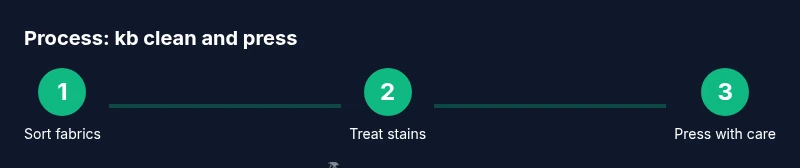
- Sort by fabric type and check labels. 2) Pretreat stains. 3) Choose the appropriate wash cycle and temperature. 4) Remove items promptly and air-dry to minimize wrinkles. 5) Lightly dampen or steam before pressing. 6) Press using correct heat settings and technique. 7) Inspect for finish and re-treat if needed. 8) Store properly to maintain shape and minimize creases.
Common mistakes and how to avoid them
Common mistakes include washing delicates on strong cycles, using too much detergent, and applying excessive heat during pressing. Avoid overdrying, which makes wrinkles set more deeply. Always pre-test on a small area and adjust temperatures to fiber tolerance. Keeping your irons clean and using a pressing cloth can greatly improve results. Regular maintenance of your washer and iron reduces performance issues over time.
Caring for delicates and heavy fabrics
Delicates require cool to warm water, short cycles, and minimal agitation. Iron at the lowest safe temperature or use steam with a pressing cloth to protect fibers. Heavy fabrics like denim or canvas tolerate higher temperatures but benefit from heavier steam and longer presses. For both categories, portion out loads to avoid overcrowding the drum, which hampers effective cleaning and pressing. A well-balanced approach keeps fabrics looking new longer.
Tools & Materials
- Washing detergent (gentle or mild)(Choose a detergent suitable for the fabric types you clean; test for residue on dark fabrics.)
- Stain remover (protein and/or oil-based)(Select products appropriate for typical stains you encounter.)
- Sturdy steam iron with a clean soleplate(Ensure the iron is free of burnt-on residue to avoid transfer.)
- Ironing board(Stable surface to ensure crisp pressing and safety.)
- Spray bottle with water(Light mist helps you set moisture for better pressing.)
- Mesh lingerie bag (optional)(Protects delicate items in the wash.)
- Color-safe bleach (optional)(Use only if fabric care labels permit it.)
- Drying rack or hanger(Air-dry to minimize wrinkles before pressing.)
- Cloth pressing veil or pressing cloth (optional)(Protects delicate fabrics from direct heat.)
Steps
Estimated time: 60-120 minutes
- 1
Sort fabrics by type
Begin by separating whites, colors, delicates, and heavy fabrics. Check all labels for wash instructions and recommended temperatures. Sorting prevents dye transfer and minimizes fabric damage.
Tip: Keep a dedicated bin for delicates to streamline the process. - 2
Pretreat stains
Apply an appropriate stain remover to the affected area. Let it sit for a few minutes if the fabric label permits. Gently blot with a clean cloth rather than rubbing to avoid fiber fraying.
Tip: For protein stains, use cold water; for oil-based stains, a solvent-based remover often works best. - 3
Choose the wash cycle and temperature
Select the cycle that matches the fabric type (e.g., delicate for silk, normal for cotton blends). Use the lowest effective temperature to protect colors and fibers. Avoid hot water on most synthetics.
Tip: Test a small hidden area if you’re unsure of the colorfastness. - 4
Dry carefully to minimize wrinkles
Air-dry as much as possible or use a low tumble-dry setting for sturdier fabrics. Remove garments promptly to reduce set-in wrinkles.
Tip: If you must use a dryer, remove while slightly damp and finish with pressing. - 5
Prepare fabrics for pressing
While fabrics are still warm or slightly damp, place them on the ironing board. Lightly steam or dampen with a spray bottle for easy wrinkle release.
Tip: Never press a completely dry, stiff fabric without moisture; it can scorch. - 6
Press with correct heat settings
Set the iron to the appropriate temperature for the fabric: low for synthetics, medium for cotton blends, high for sturdy cotton. Use a pressing cloth for fragile fabrics.
Tip: Always move in smooth, straight motions; avoid back-and-forth rubbing to prevent shine. - 7
Inspect and adjust
Check seams and hems for crispness and re-press as needed. Make sure there are no golf-ball-like wrinkles. Set items aside to cool before wearing or storing.
Tip: A quick touch test helps verify that heat didn't scorch fibers. - 8
Store properly
Fold or hang garments to maintain press finish. Use garment bags for long-term storage and avoid overcrowding in closets.
Tip: Label storage areas to keep items organized and wrinkle-free.
Questions & Answers
What is kb clean and press?
kb clean and press refers to a home-care method that combines careful cleaning with precise ironing to restore a crisp finish on fabrics. It emphasizes fabric-specific temperatures, stain treatment, and proper drying to preserve color and fiber integrity.
kb clean and press is a home-care approach for cleaning fabrics and ironing to restore a crisp finish.
Do I always need to wash before pressing?
In most cases, washing precedes pressing to remove soils and set a clean base. Lightly soiled items can sometimes be pressed on a quick refresh cycle, but washing should come first for hygiene and finish quality.
Usually wash first, then press; pressing a dirty item can set stains and odors.
What temperature should I use for cotton fabrics?
Cotton fabrics generally tolerate higher heat. Use medium to high heat with a steaming step, but test colorfastness first and use a pressing cloth if needed.
Cotton loves heat, but always test first and use steam for best results.
Can I press while fabrics are still damp?
Yes, lightly damp fabrics press more evenly and reduce shine. If fabric is damp, use a lower heat setting and keep the iron moving to avoid scorching.
Press while damp for better results, but move the iron constantly and use low heat.
How do I handle delicate fabrics like silk or wool?
Delicates require low heat, a pressing cloth, and careful technique. For silk, use only a low heat with steam and minimal pressure to avoid satin sheen or fabric damage.
Delicates need gentler heat and a pressing cloth to protect fibers.
What should I do about wrinkles on synthetics?
Synthetics respond well to medium heat and steam. Avoid overheating, which can create shine or melt fibers; test first on a hidden area.
Synthetics like moderate heat and steam; test first to avoid damage.
Watch Video
The Essentials
- Sort by fabric type to protect colors and fibers
- Treat stains promptly with fabric-appropriate removers
- Balance heat and moisture for crisp, safe pressing
- Always test colorfastness before full washing
- Store pressed items properly to maintain the finish