How to Clean an Air Conditioner Unit: A Step-by-Step Guide
Learn how to safely clean an air conditioner unit, improve efficiency, and enhance indoor air quality with our practical, expert-backed steps. From power-off safety to coil care, get the full process for window, split, and central systems.


To clean an air conditioner unit, start by powering off the unit and unplugging it, then remove the access panel to clean the filters, housing, and coils. Vacuum dust, wipe surfaces with a mild solution, and rinse lightly. Finish by drying thoroughly, reassembling, and running a short test to ensure proper airflow and cooling. This guide covers both window and split systems.
Why Clean Your Air Conditioner Unit
A clean air conditioner unit runs more efficiently, cools better, and helps maintain healthier indoor air quality. Dust, pollen, mold, and moisture can accumulate on filters, coils, and drainage pathways, reducing airflow and making the system work harder. Over time, this can raise energy bills and shorten the unit’s life. Regular cleaning also helps prevent musty odors and allergy flare-ups. According to Cleaning Tips, a routine cleaning routine keeps performance steady and reduces the chance of unexpected breakdowns. Implementing a simple, safe cleaning process now can save time and money later, especially in homes with pets or high dust levels.
In practice, you’ll perform a mix of quick maintenance (like filter checks) and deeper cleaning (such as coils and drainage paths). Understanding the basic layout of your unit—whether it’s a window unit, a ducted central system, or a split system—will guide how you access components and what cleaning agents you use.
Differences Between Window Units and Central/Split Systems
Window AC units are generally easier to access for cleaning because the filter and coils are contained in a single, compact housing you can remove from the front. Central and ducted systems live mostly out of sight, with outdoor condensers and indoor evaporator coils that require different access points and caution to preserve delicate fins. For central units, you’ll also consider drain lines and condensate pans that connect across a network of ducts. Regardless of type, start with safety: power off, unplug, and wear eye protection if you anticipate debris.
Understanding these differences helps you tailor your approach, avoid accidental damage, and ensure you don’t dislodge critical components when removing panels or filters. The cleaning steps for window units and central systems share core strategies (dust removal, gentle brushing, and coil care) but differ in the level of disassembly and the tools required.
Safety First: Power, PPE, and Preparation
Before touching any AC components, ensure the unit is powered off at the thermostat, breaker, and unplugged if accessible. Wear protective gloves and safety glasses to guard against sharp edges and dust. Work in a well-ventilated space, especially if you use cleaning solutions near the fan or coils. Have towels or rags handy to catch spills, and place a tray or bucket under drain components to monitor for leaks. If you’re cleaning a central system, avoid pulling on ductwork or disturbing insulation. When in doubt, consult your unit’s manual or a professional technician.
Note: Avoid using high-pressure water or harsh solvents that can bend fins, corrode metal parts, or saturate electrical connections. Soft brushes, microfiber cloths, and diluted cleaning solutions are safer choices for most residential units.
Tools and Materials You'll Need (Essential vs Optional)
Preparing the right tools helps you complete the job efficiently and safely. The essentials include a vacuum with a brush attachment, a soft brush, microfiber cloths, a mild detergent or dish soap, spray bottle with water, a fin comb for bent fins, screwdrivers (flathead and Phillips), gloves, and old towels for drips. Optional items can include a coil cleaner spray rated for air conditioners, a soft-bristled brush specifically for coils, and a container for rinsing. Keep an access door or grille-based area clear so you can reach the filter and coils without forcing components.
If you’re cleaning a window unit, you may also want a small, portable step stool for better reach. For central systems, you may need a flashlight to inspect drains and condensate pans behind access panels.
Step-by-Step Overview of the Cleaning Process
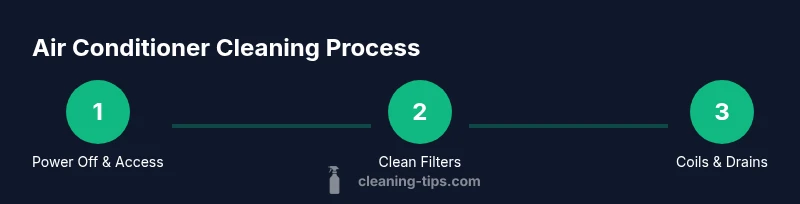
Breaking the task into a clean sequence helps prevent missed components or damage. Begin with safety checks, then remove and inspect the filter, wipe down accessible surfaces, and gently clean the coils and fins. Don’t forget to inspect the condensate drain line and pan for clogs or standing water. Finally, dry all components thoroughly before reassembly and power-on testing. A well-executed cleaning session typically includes a visual inspection after each major step to catch any signs of wear or corrosion early.
This overview lays the groundwork for the detailed, step-by-step instructions that follow. Each action is designed to be straightforward, with a clear purpose and minimal risk when done carefully.
Cleaning the Exterior Housing and Coils
Begin with the exterior housing to remove loose dust with a vacuum or soft brush. For accessible coils, use a mild soapy solution and a soft-bristled brush to lift dirt and debris without bending the coil fins. Rinse lightly with a damp cloth to remove soap residue, then dry. If you encounter stubborn grime, a diluted vinegar solution can help, but avoid acid-based cleaners that could damage metal fins. Always work from the inside out to minimize recontamination of already-clean areas. Remember to keep the fan blades still while cleaning to avoid accidents.
Be mindful of sealants or insulation near the coils; avoid dislodging adhesives that could affect efficiency.
Cleaning the Filter: Care, Replacement, and Scheduling
Filters are the first line of defense for clean air and efficient operation. Remove the filter according to the unit’s manual. If it’s a washable filter, rinse with cool water and a mild detergent, then let it dry completely before reinstalling. If it’s a disposable filter, replace with an identical or equivalent filter recommended by the manufacturer. A clean filter improves airflow and reduces load on the compressor, saving energy and extending the life of the unit. Create a simple schedule that aligns with usage and environmental conditions (e.g., dusty or high-pollen seasons) so you don’t skip maintenance.
While drying, place filters on a clean surface away from direct heat to prevent warping.
Condenser and Evaporator Coils: Deep Care and Handling
Coils are critical to heat transfer and overall efficiency. Clean the evaporator coil (inside) from the accessible panel with a soft brush, then wipe with a damp cloth to remove residual dust. For condenser coils (outdoor unit), remove debris around the housing and use a gentle brushing motion to clear dirt from the fins. Avoid bending the fins; if you notice kinks, use a fin comb to gently straighten them. Do not use heavy bristles or metal tools that could damage the coil surface. Always ensure the unit is cool before cleaning to prevent warping or drips.
If your system uses a chemical cleaner, follow the product instructions carefully and ensure proper ventilation.
Drains, Pans, and Drain Line Maintenance
Drain lines are essential to remove condensate. Check the drain pan for standing water or rust, and clear any visible blockages in the drain line. Use a small amount of diluted cleaning solution or vinegar-water mix to flush the line, followed by a thorough water rinse. A clogged drain can lead to water damage and mold growth. In some setups, you’ll need to tilt the unit slightly to ensure proper drainage when reinstalling. If you hear gurgling or notice a musty odor, it may indicate mold growth in the drain pathway requiring professional attention.
Drying, Reassembly, and First Run Testing
Allow all cleaned components to air-dry completely before reassembling. Reinstall the filter, grille, and any panels you removed, ensuring seals are snug and airflow paths are open. Plug the unit back in and power it on at the thermostat or breaker. Run the unit on a cool setting for a few minutes to verify airflow and listen for unusual noises. Check for leaks or excessive vibration, and confirm that condensate lines are draining correctly. If odors persist after cleaning, you may need to replace filters more frequently or consider a more thorough inspection of seals and ductwork.
Maintenance Schedule and Pro Tips
Establishing a routine reduces future work and keeps your unit operating efficiently. Keep a cleaning calendar and set reminders for seasonal checks. Store cleaning supplies in a neat, accessible spot to encourage consistency. Inspect seals and insulation around the unit periodically and address any signs of wear promptly. If you have allergies or live in a dusty environment, plan for more frequent checks. Regular maintenance also helps you spot minor issues before they become major repairs, saving time and money in the long run.
Troubleshooting Post-Cleaning Odors or Poor Airflow
If odors persist after cleaning, it may indicate mold growth, microbial buildup, or residual moisture that encourages fungus. Revisit the filters and drain paths, and consider running a dedicated air-quality test or using a mild disinfectant spray designed for HVAC components. For persistent airflow issues, inspect duct connections and seals for leaks. If you suspect motor bearings or refrigerant problems, contact a trained HVAC technician. Regular maintenance reduces the chance of recurring issues and keeps the system functioning optimally.
Tools & Materials
- Vacuum with brush attachment(Essential for removing dust from surfaces and coils without scattering debris)
- Soft-bristled brush, microfiber cloths(Gentle cleaning to avoid bending fins and scratching surfaces)
- Screwdrivers (flathead and Phillips)(Access panels and filters may be secured with screws)
- Bucket or shallow tray(Catch drips during coil cleaning)
- Mild dish soap or detergent(Safe for plastics and metal surfaces)
- Spray bottle with water(Dilute cleaners for gentle rinsing)
- Fin comb or plastic card(Straighten bent fins without damaging coils)
- Gloves and safety glasses(Protect hands and eyes from debris)
- Old towels or rags(Contain drips and spills)
- Optional: coil cleaner spray(Follow label directions and ventilation guidelines)
- Optional: flashlight(Improve visibility inside cabinets or outdoor units)
Steps
Estimated time: 60-120 minutes
- 1
Power off and unplug
Ensure the unit is completely off at the thermostat and unplug any accessible power source. This prevents electrical shocks and protects components while you work.
Tip: Always verify power at the main breaker if you doubt whether an outlet is controlled by a switch. - 2
Remove front grille and access filter
Carefully remove the front grille to access the filter. Take note of how the grille attaches so you can reinstall it securely.
Tip: Take a quick photo before removing parts to reference during reassembly. - 3
Vacuum dust from housing and blower area
Use the vacuum with a brush attachment to remove loose dust from the blower housing, grills, and accessible ducts. Do not touch the fan blades directly.
Tip: Keep the vacuum nozzle at a slight distance to avoid bending delicate components. - 4
Clean or replace the filter
If the filter is washable, rinse with cool water and a mild detergent; allow to dry completely before reinstalling. If disposable, replace with an identical model.
Tip: Never operate the unit with a damaged or missing filter. - 5
Clean coils and fins
Gently brush the evaporator and condenser coils with a soft brush and mild solution. Use a fin comb to straighten bent fins and prevent airflow obstruction.
Tip: Avoid aggressive scrubbing that can warp fins or dislodge coatings. - 6
Flush the drain line and pan
Inspect the drain pan for clogs or standing water. Flush the line with a mild cleaning solution and water to prevent mold growth.
Tip: If you hear gurgling, there may be a partial clog; address it before reassembly. - 7
Dry components and reassemble
Dry all cleaned parts completely before reassembling. Replace panels and grille securely to restore proper airflow paths.
Tip: Test fit first, then plug the unit in to run a quick check. - 8
Test run and observe
Turn the unit on and run on a cool setting to verify airflow and cooling performance. Listen for unusual noises or vibrations and check for leaks.
Tip: If odors persist, revisit filters and drainage paths before calling a professional.
Questions & Answers
Can I safely clean an air conditioner with water?
Yes, you can use a damp cloth or a light mist for non-electrical parts. Never pour water into the motor housing or electrical components. Let everything dry completely before powering on.
Yes, use a damp cloth for non-electrical parts and avoid soaking the motor or electrical areas. Make sure it dries completely before turning the unit back on.
How do I know when my filter needs replacement?
If the filter is visibly dirty, discolored, or hard to clean, or if airflow remains weak after cleaning, replace it with a compatible filter rated for your unit.
If the filter looks dirty, or airflow stays weak after cleaning, replace it with a recommended filter.
Is it safe to clean coils with a brush?
Gently brush coils with a soft brush to remove debris. Avoid aggressive scrubbing or sharp tools that can bend fins or scratch surfaces.
Use a soft brush and be gentle with the coils to avoid bending the fins.
Should I hire a professional for my central AC?
For central or complex systems, or if you’re uncomfortable with electrical components, it’s wise to hire an HVAC technician. They can safely service both the indoor and outdoor units.
If you’re unsure about handling central AC components, a professional technician is the safe choice.
What cleaners are safe for AC components?
Use mild detergents or water with a light cleaner designed for HVAC components. Avoid harsh solvents or high-acid cleaners that can damage metal fins or plastics.
Choose mild detergents and HVAC-safe cleaners; avoid harsh chemicals that can harm components.
What if odors persist after cleaning?
Persistent odors could indicate mold growth in drains or ducts. Recheck filters and drain paths, and consider a professional inspection if odors continue.
If odors stay after cleaning, check the drains and filters again, and consider a professional inspection if needed.
Watch Video
The Essentials
- Unplug and inspect before cleaning
- Use gentle tools to protect fins and electricals
- Clean or replace the filter for better airflow
- Inspect and clear the drain line to prevent mold
- Dry completely before testing the unit