Spray Clean Air Conditioner: Step-by-Step Guide
Learn how to spray-clean an air conditioner safely and effectively. This comprehensive guide covers safety, tools, step-by-step cleaning, maintenance tips, and common mistakes to improve efficiency and indoor air quality.


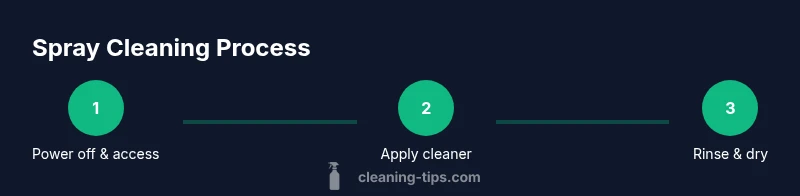
To spray-clean an air conditioner safely and effectively, start by powering off and unplugging the unit, then remove the front panel to access the coils. Apply a foaming, non-acid coil cleaner and spray evenly across the evaporator surfaces, avoiding the motor. Let it sit 5–10 minutes, rinse with a gentle spray, dry, and reassemble. Then test the unit on a cool setting.
Why spray-clean an air conditioner matters
Maintaining a clean air conditioner is essential for efficient cooling, better airflow, and improved indoor air quality. Cleaning the coils with a spray cleaner helps remove dust, pollen, mold spores, and other debris that accumulate over time. According to Cleaning Tips, regular coil maintenance can reduce strain on the compressor and lower energy consumption, which translates to lower utility bills and a healthier living space. When done safely, spray-cleaning can be a practical DIY task for homeowners and renters who want to extend their unit’s life and keep their homes cooler and more comfortable during hot seasons.
In addition to coil cleaning, replacing or cleaning filters and ensuring proper drainage are critical steps for maintaining overall AC performance. This guide focuses on spray-clean techniques suitable for many window, portable, and mini-split systems, but always consult your manufacturer’s instructions for unit-specific guidance.
Keep in mind that spray-cleaning is not a substitute for professional service if you notice refrigerant leaks, unusual noises, or reduced cooling performance beyond routine buildup.
Safety first: power, disassembly, and PPE
Before you touch any part of your air conditioner, shut off the power at the outlet and, if possible, disconnect the unit. Unplugging eliminates the risk of electrical shock while you’re working around components like the condenser coil and fan motor. Wear protective gear such as safety glasses and chemical-resistant gloves to shield your eyes and skin from cleaners. If you need to remove the outer casing or access panels, use the appropriate screwdriver type (Phillips or flathead) and keep track of screws to avoid reassembly issues. Avoid working on live circuits, and never spray cleaners directly into the motor or electrical connections.
This is also a good time to inspect for obvious damage or loose wiring. If you spot frayed wires or burnt smells, stop and seek professional help. Cleaning Tips emphasizes that safety should always come first, even for seemingly simple maintenance tasks.
Tools and materials you'll need
Gather these items before you begin so you don’t interrupt the workflow:
- Safety goggles (essential)
- Nitrile gloves (essential)
- Foaming coil cleaner that is non-acid and non-abrasive (essential)
- Spray bottle (essential)
- Soft nylon brush or old toothbrush (essential)
- Microfiber cloths (essential)
- Screwdriver set (essential for panels)
- Towel or drop cloth (essential to protect flooring)
- Small bucket with water (optional for rinsing)
- Vacuum with brush attachment (optional for loose debris)
Following this list helps you perform the spray-clean safely and effectively without damaging sensitive parts.
Step-by-step: spray-cleaning a window or portable AC
- Power down and unplug the unit. Remove the front panel to access the evaporator coils. 2. Apply a foaming coil cleaner from the top of the coils in short bursts, ensuring complete coverage without soaking the fan or electrical housing. 3. Allow the cleaner to foam and dwell for 5–10 minutes to lift grime. 4. Rinse lightly with a gentle spray from the coils outward, keeping water away from the motor and electrical components. 5. Wipe excess moisture with microfiber cloths and let the unit dry completely before reassembling. 6. Reattach the panel, plug the unit back in, and run a test cycle on a cool setting to confirm proper operation.
Tip: Do not use high-pressure hoses or powerful jet sprays, as these can bend fins or saturate electrical areas.
Cleaning the interior components without damage
Spray-cleaning targets the evaporator coils and accessible drainage areas. Use only non-acidic foaming cleaners designed for HVAC coils. Avoid spraying directly onto the fan blades or onto the control board. If stubborn grime remains, gently brush with a soft nylon brush and wipe with a microfiber cloth. After cleaning, check the drain pan for clogs and ensure the condensate line is clear to prevent water backup. A clean condensate path helps prevent mold growth and improves humidity control.
When done, allow at least 1–2 hours of drying time in a dry, well-ventilated area before running the unit.
Maintenance suggestions to prevent buildup
To minimize future cleaning frequency, implement a monthly quick-check routine:
- Inspect and replace or wash filters (frequency depends on usage and environment)
- Wipe down accessible exterior surfaces to reduce dust ingress
- Schedule seasonal coil cleaning before peak cooling periods
- Consider using a high-quality air-quality purifier in rooms served by the AC
These proactive steps help maintain airflow, reduce energy use, and extend the life of your system.
Common mistakes and how to avoid them
Common errors include spraying cleaners directly onto electrical components, using water to rinse fan motors, and choosing acidic or ammonia-based cleaners that can corrode aluminum coils. Always follow manufacturer recommendations and test cleaner compatibility on a small area first. Keep cleaners off the fins by spraying at an angle and limiting spray to coil surfaces. If you’re unsure about any step, pause and consult a professional rather than risking damage.
Safety aftercare and reassembly
After cleaning, reassemble the unit carefully, ensuring all screws are tightened and seals are intact. Wipe any remaining moisture and allow sufficient airflow for complete drying. Plug in the unit and run a short test cycle on cool to verify that airflow is strong and there are no odd noises. If you notice reduced cooling or unusual vibrations, switch off and re-check your connections or contact a technician. Regular maintenance, not aggressive cleaning, yields the best long-term results.
Tools & Materials
- Safety goggles(ANSI-rated safety glasses to shield eyes from cleaner splashes.)
- Nitrile gloves(Chemical-resistant gloves to protect hands.)
- Foaming coil cleaner (non-acid)(Choose HVAC-safe formula; avoid acidic or bleach-based cleaners.)
- Spray bottle(Fine-mist spray for controlled application.)
- Soft nylon brush(For gentle scrubbing of coils without bending fins.)
- Microfiber cloths(Absorb moisture and wipe surfaces dry.)
- Screwdriver set(For removing access panels safely.)
- Towel or drop cloth(Protect floors and surfaces from drips.)
- Bucket with water (optional)(Rinsing or damp wiping; not mandatory for all units.)
- Vacuum with brush attachment (optional)(Pre-clear loose dust before spraying.)
Steps
Estimated time: 60-90 minutes
- 1
Power down and open the unit
Unplug the air conditioner and remove the front panel to access the evaporator coils. This reduces electrical risk and gives you direct access to the areas needing cleaning.
Tip: Keep the screws in a labeled container to simplify reassembly. - 2
Apply coil cleaner
Mist the coils with a foaming coil cleaner, spraying from top to bottom to avoid soaking the motor. Let the foam cling to the grime for 5–10 minutes.
Tip: Do not over-saturate; use short bursts to maintain control. - 3
Rinse and wipe
Lightly rinse the coils with a gentle spray, avoiding the fan motor and control board. Wipe excess moisture with microfiber cloths.
Tip: Move the spray in the direction of airflow to push debris out. - 4
Clean the drain area
Inspect and clear the drain pan and condensate line to prevent mold and standing water. Removing blockages improves humidity control.
Tip: Use distilled water if you’re concerned about mineral buildup. - 5
Dry and reassemble
Allow 1–2 hours for thorough drying in a well-ventilated area, then reassemble the unit and re-test.
Tip: Run a short cool cycle to confirm proper operation. - 6
Return to service
Plug in the unit and run at full power on a cool setting to ensure airflow is strong and there are no unusual noises.
Tip: If you hear rattling or grinding, stop and inspect the interior components.
Questions & Answers
Can I spray water directly on the coils?
No. Direct, high-volume spraying can saturate electrical components and damage the unit. Use a light rinse with a gentle spray and avoid the motor.
Avoid direct water on electrical parts; use a gentle rinse instead.
Is it safe to spray cleaners on all AC types (window, portable, mini-split)?
Most portable and window units tolerate spray-cleaning with non-acid foaming cleaners. Always check the manufacturer’s guidelines for your specific model before proceeding.
Check your model’s manual before cleaning; some units require special care.
How often should I spray-clean my AC?
Frequency depends on usage and environment. Generally, clean coils and replace filters at least every 3–6 months during active cooling seasons, and more often in dusty conditions.
Clean every few months, or more often if you’re in a dusty area.
What maintenance should I do after cleaning?
After cleaning, ensure all parts dry completely, reinstall panels securely, and run a test cycle to confirm cooling efficiency.
Dry everything well and test the unit afterward.
Can I use vinegar or bleach-based cleaners?
Vinegar is generally safe in mild concentrations, but bleach or acidic cleaners can corrode metal fins and seals. Use HVAC-specific foaming cleaners designed for coils.
HVAC-safe cleaners are best; avoid bleach on coils.
When should I call a professional?
If you notice refrigerant smells, ice buildup, unusual noises, or poor cooling after cleaning, contact a licensed technician for a thorough inspection.
If in doubt, call a professional to avoid risky issues.
Watch Video
The Essentials
- Begin with safety: power off, unplug, and panel removal.
- Use a non-acid foaming cleaner and avoid the motor; rinse lightly.
- Dry thoroughly and reassemble before testing for proper operation.
- Establish a maintenance routine to prevent buildup and improve efficiency.