Mold Clean Up Houston: A Practical How-To Guide
Learn a practical, safety-first approach to mold cleanup in Houston homes with actionable steps, PPE, containment, moisture control, and when to call pros. Clean Tips provides expert guidance for homeowners and renters.


Goal: safely remove mold in a Houston home while preventing future growth. You'll identify moisture sources, isolate affected areas, wear proper PPE, follow a proven cleanup protocol, and document remediation steps. This quick answer covers key safety measures and when to call a pro. Understand that mold spores can spread, so containment and air filtration are essential. This guide focuses on DIY-safe cleanup and when to consult a licensed professional in Houston.
Understanding Mold Risk in Houston Homes
In the humid climate of Houston, mold growth is a common challenge for many homes. When tackling mold clean up houston, start with a clear moisture assessment: look for leaks around roofs, windows, plumbing, and areas with poor ventilation. Visible mold patches, musty odors, or staining on walls and ceilings are red flags. Health concerns range from allergic reactions to asthma triggers, so prompt action helps reduce exposure. In this city, moisture management is the cornerstone of remediation—the goal is to stop the moisture source, not merely remove visible growth. Remember that mold can hide behind walls, under floors, and in insulation, so a comprehensive inspection is essential. According to Cleaning Tips, understanding Houston’s climate and common moisture sources sets realistic expectations for remediation, and reinforces that mold cleanup is often an ongoing effort rather than a one-time fix. This perspective guides safe, effective action for mold clean up houston.
Safety First: PPE, Containment, and Verification
Before any cleanup begins, establish safety measures to protect occupants and workers. Wear an NIOSH-approved respirator (N95 or better, with a proper fit), chemical resistant gloves, eye protection, and disposable coveralls. Use a HEPA-filtered vacuum and a damp wipe approach rather than dry brushing to limit spore dispersal. Set up containment with heavy-duty plastic sheeting to isolate affected areas and minimize cross-contamination, sealing doorways and vents with tape. If you notice persistent leaks or water intrusion, address those issues first and reevaluate the cleanup scope. The Cleaning Tips team emphasizes that proper PPE and containment dramatically reduce exposure and improve outcomes for mold cleanup projects in humidity-prone environments.
Containment and Ventilation: Stop the Spread
Containment prevents mold spores from drifting to other rooms and surfaces. Close off the area from the rest of the home, turn off fans and HVAC within the affected zone, and vent air to the outside using portable fans placed at exhaust points. Use negative pressure if possible, and keep children and pets away until containment is removed. When you ventilate, aim for a steady flow that carries spores away from living spaces rather than recirculating them. This step is critical in mold clean up houston, where high indoor humidity can cause rapid regrowth if spores spread during cleanup.
Cleaning Agents: What Works and What to Avoid
Start with soap and water to remove surface mold on non-porous materials, followed by a scrub with a detergent or EPA-registered cleaner. For deeper staining, use an EPA-approved fungicide or mold cleaner according to label directions, ensuring you respect dwell times and rinse requirements. Avoid using bleach on porous materials like drywall or wood, as it can fail to reach interior growth and may damage surfaces. Natural options such as vinegar or baking soda can be helpful for mild cases on non-porous surfaces but are less effective for sustained contamination. In all cases, never mix cleaners with ammonia or other chemicals. Cleaning Tips analysis shows that selecting the right cleaner and applying it correctly are critical to effective mold cleanup, especially in moist climates like Houston.
Step-By-Step Cleanup Protocol: Overview (What to Expect)
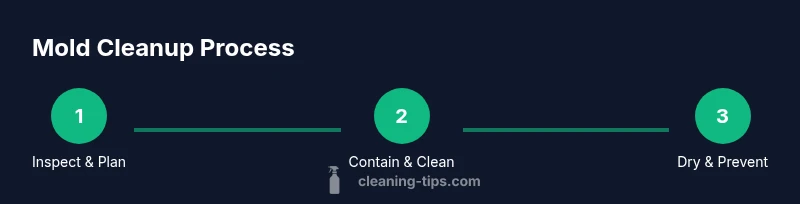
This overview outlines the high-level sequence you’ll follow, while the detailed, step-by-step instructions appear below in the dedicated STEP-BY-STEP section. Begin with a rapid assessment of extent, then set up containment, apply cleaning agents, remove damaged materials, and dry the space thoroughly while preventing relapse. Take photos at every stage, maintain ventilation without blowing spores into other rooms, and dispose of contaminated materials in sealed bags. In Houston homes, lingering moisture is the root cause of recurrence, so the final focus is on drying and moisture control to prevent future growth. Mold clean up houston benefits from a disciplined, repeatable process that reduces recontamination risk.
Moisture Control and Prevention in Houston Homes
Moisture is the primary driver of mold growth in humid climates. After cleanup, take steps to reduce humidity and prevent recurrence. Run dehumidifiers or air movers as needed, especially in bathrooms, kitchens, basements, and crawlspaces. Fix leaks promptly and improve ventilation in moisture-prone areas. Proactive measures include sealing gaps around windows, improving insulation, and scheduling seasonal inspections for roof and plumbing. Houston homes often face fluctuating humidity, so ongoing moisture management is essential for lasting mold prevention. The goal is not just cleanup but creating environments where mold cannot easily return. Cleaning Tips analysis reinforces that moisture management is the most impactful factor in preventing future outbreaks.
When to Call a Professional Remediation in Houston
If mold covers a large area, penetrates porous materials, or recurs after DIY cleanup, professional remediation is warranted. Large-scale contamination may require specialized equipment, containment, and third-party verification to ensure safety and compliance. If you have underlying water damage, structural concerns, or health symptoms during or after cleanup, consult a licensed mold remediation contractor. A professional team can perform a thorough assessment, respond quickly to moisture events, and provide remediation documentation. In many cases, timely escalation to professionals minimizes long-term damage and health risks associated with mold in Houston homes.
Real-World Houston Scenarios: Common Places Mold Grows
Bathrooms and showers often harbor mold due to consistent moisture, while kitchens can accumulate mold in cabinets and under sinks where leaks occur. Basements and crawl spaces are particularly susceptible in climate-driven humidity environments, especially after heavy rainfall. Attics can be affected by roof leaks or poor venting, leading to hidden growth behind insulation. Each scenario requires tailored containment, targeted cleaning, and moisture control to prevent regrowth. When you approach mold cleanup in Houston, remember that the specific location influences the choice of cleaning agents, PPE, and the speed of drying. A vigilant, room-by-room approach helps maintain a safe, healthy home.
Authority Sources and Documentation
For authoritative guidance, consult federal and institutional resources. These sources provide foundational information on mold biology, health risks, and remediation best practices:
- https://www.cdc.gov/mold/default.htm
- https://www.epa.gov/mold
- https://www.osha.gov/mold
These sources support safe and effective mold cleanup strategies in Houston homes and communities, and they align with the practices outlined in this guide. The Cleaning Tips team relies on such guidance when crafting practical, homeowner-focused remediation steps.
Tools & Materials
- N95 respirator (fit-tested)(Choose a respirator with a good seal; consider P100 for higher filtration.)
- Protective gloves (nitrile)(Chemical-resistant; avoid latex if you have sensitivities.)
- Goggles or face shield(Eye protection to prevent contact with spores.)
- Disposable coveralls(Hooded if possible; tape seams if needed.)
- Plastic sheeting (6 mil)(For containment barriers; cut to fit doorways.)
- Duct tape(Seal plastic barriers to create an effective seal.)
- HEPA vacuum(Use with appropriate filters; avoid dispersing spores.)
- Detergent or mild cleaner(For initial surface cleaning.)
- EPA-registered mold cleaner or fungicide(Follow label directions for safe use.)
- Bucket and scrubbing brushes(For applying cleaners and scrubbing surfaces.)
- Rags and disposable wipes(Disposable to avoid cross-contamination.)
- Dehumidifier or fans(To reduce moisture and aid drying; place outside air within the containment if possible.)
- Repair materials (as needed)(Patching or replacing affected drywall or insulation if contaminated.)
- Trash bags (heavy-duty)(Seal contaminated materials in bags before disposal.)
Steps
Estimated time: 3-6 hours
- 1
Inspect and Plan
Walk through the affected area to document extent and moisture sources. Identify leaks, condensation points, and porous materials likely to harbor growth. Create a containment plan and decide if you’ll perform DIY cleanup or need professional help based on size and material type.
Tip: Take photos for your records and to guide remediation decisions. - 2
Set Up Containment
Close off the area with plastic sheeting, seal doorways, and ensure the HVAC system cannot circulate air into the rest of the home. Establish a simple negative pressure if feasible by venting air to the outdoors.
Tip: Keep children and pets out of the containment zone. - 3
Put On PPE
Don PPE in sequence: respirator, eye protection, gloves, and disposable coveralls. Check respirator fit and ensure face seal is secure before entering the area.
Tip: Test fit by performing a user seal check before the job starts. - 4
Remove Contaminated Materials
Carefully remove porous materials that are heavily contaminated (e.g., drywall, insulation). Bag them in sealed bags and dispose of according to local guidelines. Non-porous surfaces can be cleaned more thoroughly.
Tip: Do not pry or forcefully scrub to avoid spreading spores. - 5
Clean Surfaces
Clean non-porous surfaces with detergent and water, then apply EPA-registered cleaner or fungicide as directed. Rinse and dry surfaces completely to prevent regrowth.
Tip: Avoid mixing cleaners with ammonia or bleach beyond label instructions. - 6
Dry the Area
Use dehumidifiers and good airflow to dry the area quickly. A damp environment encourages mold to return, so maintain drying until the space feels dry to the touch.
Tip: Periodically check for hidden moisture behind walls or insulation. - 7
Finalize and Document
Inspect the cleaned area for any remaining staining or odors. Take after photos and note any ongoing moisture issues. If any sign of ongoing moisture persists, escalate to a professional.
Tip: Document remediation steps for future reference and property records. - 8
Prevention Plan
Address root causes: repair leaks, improve ventilation, and implement routine moisture checks. Consider humidity control strategies to prevent future mold growth in the Houston climate.
Tip: Schedule seasonal inspections to catch problems early.
Questions & Answers
How do I know if mold growth is hazardous in my home?
Visible mold growth, a persistent musty odor, or health symptoms like sneezing, coughing, or throat irritation indicate potential hazards. If you suspect hazardous growth, proceed with caution and consider professional assessment, especially in porous materials or large areas.
If you see mold or notice health symptoms, take precautions and seek professional help for a safe, thorough cleanup.
Can I clean mold myself, or should I hire a pro?
Small, non-porous areas can sometimes be cleaned with proper PPE and containment. Larger areas, porous materials, or hidden mold behind walls typically require professional remediation to ensure safety and effectiveness.
For larger or porous mold growth, it’s best to hire a licensed pro to prevent spread and ensure proper restoration.
What PPE is essential for mold cleanup?
Essential PPE includes a properly fitted respirator (N95 or better), protective goggles, gloves, and disposable coveralls. Use a HEPA-filtered vacuum for cleanup and decontamination routines.
Wear a good respirator, eye protection, gloves, and coveralls to stay safe during cleanup.
How long does mold cleanup take in a typical room?
Cleanup duration depends on the extent of growth and materials involved. A small room with non-porous surfaces may take several hours, while larger projects or porous materials can take longer, potentially requiring professional remediation.
It varies; plan for several hours to a full day in modest projects, longer for bigger jobs.
Are there health risks from mold exposure after cleanup?
Exposure can cause allergic reactions, irritation, and asthma-like symptoms in sensitive individuals. If symptoms persist after cleanup, seek medical advice and ensure the area is properly dried and ventilated.
If you have breathing issues or allergies, monitor symptoms and consult a doctor if they worsen.
What should I do if mold keeps coming back after cleaning?
Recurring mold usually signals ongoing moisture problems. Reassess leaks, check for hidden water intrusion, and consider professional assessment to identify concealed sources and ensure thorough remediation.
Recurring mold means moisture isn’t fully controlled—address leaks and moisture sources first.
Is bleach effective for mold cleanup on porous materials?
Bleach is often not effective on porous materials like drywall because it cannot reach hidden growth inside. It can be used for non-porous surfaces per label, but avoid reliance on it as a sole solution.
Bleach isn’t the best option for porous materials; for those, professional methods are often required.
Watch Video
The Essentials
- Identify and fix moisture sources first
- Contain the area to prevent spread
- Use PPE and proper cleaners for safe cleanup
- Dry thoroughly to prevent regrowth
- Consult pros for large or persistent mold
- Refer to authoritative guidelines for best practices