How to Clean Mold from Carpet: A Step-by-Step Guide
Step-by-step guide to safely removing mold from carpet, with essential tools, safety gear, and proven methods to dry thoroughly and prevent recurrence at home.


Learn how to clean mold from carpet safely with a clear, step-by-step approach. Start by isolating the area, wearing PPE, and selecting a mild cleaner. Blot, treat, and rinse, then dry thoroughly to prevent regrowth. This guide outlines tools, methods, and safety practices to protect indoor air quality.
Why mold in carpet is a problem
Mold in carpet is more than a cosmetic issue; it can compromise indoor air quality, trigger allergies, and cause respiratory irritation. The phrase how to clean mold from carpet often appears in home-cleaning queries because carpet fibers trap moisture and organic material, creating a hospitable environment for mold growth. When mold spores become airborne, they can travel through the home via air currents, potentially affecting bedrooms, living rooms, and even HVAC systems. Prompt, thorough action helps protect your family’s health and preserves carpet longevity by preventing fiber damage and staining. According to Cleaning Tips, understanding the mold type and moisture source is essential before selecting a cleaning method, ensuring you choose an approach that targets both surface colonies and underlying moisture.
Safety first when cleaning mold from carpet
Before you start, equip yourself with proper PPE and ensure good ventilation. An N-95 respirator or higher offers superior protection against airborne spores, while gloves and safety goggles shield skin and eyes from cleaners. Open windows or run a vent fan to create airflow that carries moisture outside. Never mix cleaners—bleach with ammonia or vinegar with bleach can release toxic gases. If anyone in the home has asthma or chemical sensitivities, or if the affected area is large, pause and consider professional help. Safety is the foundation of an effective cleanup and prevents unnecessary exposure.
Assess the extent and isolate the area
Accurately assessing how far mold has penetrated carpet fibers informs your method and minimizes cross-contamination. If the damp area is beyond a small patch, set up containment with plastic sheeting to limit spore spread and keep others out of the room. Move belongings away and cover them to prevent transfer. If moisture or odor persists after initial cleaning, consider calling a pro, as deeper mold can indicate an ongoing moisture problem in the subfloor or walls. A careful assessment saves time and reduces the risk of repeating the cleanup.
Prep work: containment and ventilation
Containment reduces mold dispersion while you work. Seal doors and vents with plastic sheeting and tape, and run a dehumidifier to lower humidity in the space. Use a HEPA-equipped vacuum only for dry debris removal and avoid using it on damp surfaces to prevent spreading spores. Place waste bags directly inside a second bag to prevent leakage, and keep a dedicated container for soiled rags and disposable gloves. Thorough prep reduces cleanup time and improves results by creating a controlled environment for treatment.
Cleaning methods: detergent, vinegar, hydrogen peroxide, baking soda
There isn’t a one-size-fits-all solution for mold on carpet. For light, surface mold, a mild detergent with warm water and a soft brush can dislodge spores. White vinegar is a popular natural option; spray it on, let it sit 10–15 minutes, then blot and rinse. For tougher spots, use hydrogen peroxide (3%) applied carefully to the fibers and scrub gently. Baking soda helps deodorize and absorb residual moisture. Always test a hidden patch first and avoid saturating the carpet with liquids to prevent damage.
Step-by-step practical method for cleaning mold from carpet
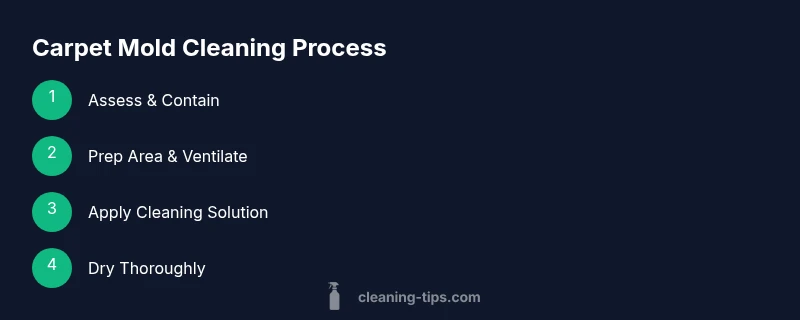
A practical method combines prep, treatment, and drying. Start with PPE and area containment, then gently vacuum the affected area with a HEPA-equipped cleaner if the carpet is dry. Pre-treat with a mild detergent solution and blot to lift soil. Apply vinegar as a surface-treatment, allow it to sit briefly, and blot away. If you use hydrogen peroxide, spray lightly and scrub; do not mix with vinegar in the same area. After treatment, sprinkle baking soda to odor-control and moisture-absorb, then vacuum once dry. Finally, ensure the area dries completely with airflow and dehumidification before any furniture returns. This approach aligns with best practices for how to clean mold from carpet and aims to prevent recurrence.
Drying thoroughly and deodorizing the carpet
Drying is the critical final step to prevent mold regrowth. Use fans and a dehumidifier to bring relative humidity under 60% and accelerate fiber drying. Check the back of the carpet and the padding for dampness; if padding remains wet or the carpet still smells moldy after 24 hours, extend drying and consider professional assessment. Odor-control measures help restore a fresh feel, but they should not substitute for complete dryness. Wholesome drying also helps you detect any hidden moisture pockets that could foster future mold growth.
When to call professionals and evaluate cost
If mold recurs after cleanup, or the affected area is large (several square feet) or involves padding or subfloor, professional remediation is advisable. A mold remediation specialist can identify moisture sources, test air quality, and address structural concerns that DIY cleaning may miss. While costs vary, acting early often reduces long-term damage and future repair expenses. Keeping a record of the affected area and the cleanup steps can assist with insurance or home-maintenance planning.
Preventing mold recurrence: moisture control and maintenance
Prevention hinges on moisture control. Maintain indoor humidity below 60% in living areas, fix leaks promptly, and maximize ventilation in moisture-prone spaces like basements and laundry rooms. Promptly address spills and damp spots, and consider applying a protective carpet treatment if you live in a high-humidity area. Regularly inspect for dampness after heavy rain and seasonal changes, and perform quick touch-up cleanups to prevent buildup. Consistent moisture control reduces recurrence and helps preserve carpet integrity over time.
Common mistakes to avoid and quick troubleshooting
Avoid common missteps such as delaying cleanup, oversaturating the carpet, or using aggressive tools that damage fibers. Do not mix cleaning agents; fumes can be dangerous and overpowering. If odor lingers after treatment or dampness remains, reassess moisture levels and re-clean or consider padding replacement if needed. Document each cleanup step and monitor the area after weather events to catch regrowth early. These checks support long-term success in maintaining a mold-free carpet.
Final notes and long-term care reminders
Mold control is an ongoing process that combines cleaning with moisture management. Regularly inspecting high-risk rooms, using exhaust fans, and promptly cleaning spills reduces risk. If you continue to see mold growth, seek professional help to identify persistent moisture sources and avoid expensive damage. Cleaning Tips emphasizes that proactive maintenance is the best defense against mold returning to carpet fibers.
Tools & Materials
- N-95 respirator or higher(Protects against mold spores)
- Protective gloves (nitrile or latex)(Keep skin safe from cleaners)
- Safety goggles(Eye protection during cleaning)
- Plastic sheeting or drop cloths(Containment and protection)
- HEPA vacuum cleaner(Remove dry spores safely)
- Soft-bristle brush(Gently agitate carpet fibers)
- Sponges or clean white cloths(Apply and blot liquids)
- Spray bottle(Apply cleaners evenly)
- White vinegar (5-8% acidity)(Natural mold inhibitor)
- Hydrogen peroxide (3%)(Optional mold treatment)
- Baking soda(Odor control and moisture absorption)
- Dehumidifier or fans(Speed up drying)
- Trash bags(Dispose contaminated materials safely)
- Test patch material (hidden area)(Check reaction before full application)
Steps
Estimated time: 2-6 hours
- 1
Prepare the area and PPE
Clear the space, remove movable furniture, and put on PPE before starting. This minimizes exposure and protects you from chemical splashes while you work.
Tip: Double-check that ventilation is enabled before you begin. - 2
Containment setup
Seal off the room with plastic sheeting to prevent spores from spreading to adjacent areas. Use tape to secure seams and create a small work zone.
Tip: Keep children and pets out of the containment zone. - 3
Vacuum dry spores
If the area is dry, vacuum with a HEPA-equipped cleaner to remove loose spores before applying liquids. Do not use a vacuum on damp surfaces.
Tip: Empty the vacuum immediately into a sealed bag. - 4
Pre-treat with detergent solution
Mix a mild detergent with warm water and apply to the stained area. Gently blot and lift soil without saturating the carpet.
Tip: Test a hidden patch first to ensure colorfastness. - 5
Apply cleaning solution (vinegar option)
Spray white vinegar generously over the affected fibers and let it sit for 10–15 minutes. This helps inhibit mold growth.
Tip: Do not mix vinegar with hydrogen peroxide in the same area. - 6
Scrub lightly and blot
Gently scrub the area with a soft-bristle brush, then blot with clean cloths to lift moisture and reduce saturation.
Tip: Work from the outer edge toward the center to prevent spreading. - 7
Optional peroxide treatment
If using hydrogen peroxide, spray a light mist on the fibers and blot. Avoid soaking the carpet.
Tip: Always rinse after peroxide if the carpet has color or delicate fibers. - 8
Odor control with baking soda
Sprinkle baking soda over the damp area and let it sit for several hours to absorb moisture and neutralize odor.
Tip: Vacuum thoroughly after the baking soda treatment. - 9
Drying and monitoring
Run fans and a dehumidifier to dry the carpet completely. Check moisture levels in the padding and underlayment if accessible.
Tip: Aim for relative humidity below 60%. - 10
Final inspection and decision
Inspect for remaining moisture and odor. If still damp or mold reappears, repeat treatment or consider padding removal and professional assessment.
Tip: Document results to track progress and determine if professional help is needed.
Questions & Answers
Is it safe to clean mold from carpet myself?
For small, localized mold, DIY cleaning can be safe if you follow PPE guidelines, use approved cleaners, and thoroughly dry the area. Large areas or persistent odor warrant professional remediation.
DIY cleaning is possible for small spots with proper gear, but seek professional help for bigger problems.
What cleaning solutions work best for carpet mold?
White vinegar is a common natural option, followed by a mild detergent solution. Hydrogen peroxide can be used for tougher spots, but avoid mixing cleaners. Always test a hidden patch first.
Vinegar first, then detergent; hydrogen peroxide for tougher spots with caution.
How can I tell if the mold is completely gone?
Check for visible spores, odors, and dampness. If moisture or smell returns after cleaning, re-clean and dry longer. Consider air-quality checks if symptoms persist in the home.
Look for no visible mold, no musty smell, and dry fibers.
When should I replace carpet padding or subfloor?
If mold penetrates padding or subfloor, or if odors persist after cleaning and drying, replacement is often necessary to prevent recurrence.
Replace affected padding if moisture and mold persist after treatment.
Can I use a steam cleaner for mold on carpet?
Steam can spread spores if not used correctly and may not reach embedded mold. Use steam only after thorough drying and following safety guidance, or consult a professional.
Steam can spread spores; use caution or skip it and focus on extraction and drying.
Watch Video
The Essentials
- Isolate the area and wear PPE before cleaning.
- Choose a cleaning method suited to the mold severity.
- Dry completely to prevent recurrence.
- Monitor moisture sources to avoid future mold growth.
- Consult a professional for extensive contamination.