How to Clean Mold on Clothes: A Practical Guide
Learn practical, safe steps to remove mold from clothing, protect fabrics, and prevent regrowth. This Cleaning Tips guide covers pre-treatment, washing, drying, and when to discard moldy items.


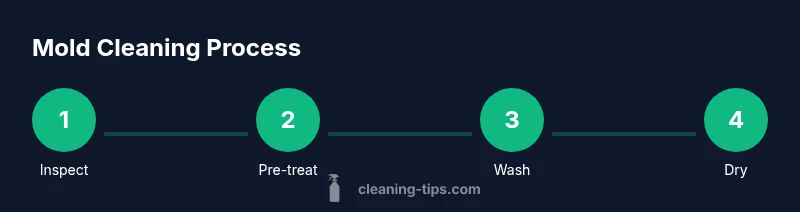
This guide shows you how to clean mold on clothes safely and effectively. You’ll learn how to identify mold, pre-treat spots, choose safe washing settings, and dry garments properly. We’ll cover when to treat or discard fabrics, common mistakes, and how to minimize mold spread during laundry. This practical approach helps homeowners and renters restore affected clothing.
Why mold forms on clothes
According to Cleaning Tips, mold on clothes often forms when damp fabrics are left in warm, humid environments, such as a closed laundry room or a damp closet. The moisture allows mold spores to settle on fibers, especially natural fabrics like cotton or wool where pores can trap moisture. Visible mold appears as fuzzy spots that range in color from white to greenish-black. If you catch it early, you can often restore the garment; if not, mold can set deeper into fibers and cause staining or odor. If the garment is valuable or delicate, test a hidden seam first. In this section, we’ll explain the biology in simple terms and outline practical steps for homeowners and renters.
Safety and fabric risks
Mold exposure can irritate the skin, eyes, and lungs, especially for sensitive individuals. Wear gloves and a mask when handling moldy clothes, and work in a well-ventilated area. Cleaning Tips analysis shows that immediate actions reduce the risk of spores spreading to other garments. Some fabrics tolerate heat and chemicals better than others, so always check care labels before attempting aggressive treatments. If the garment is valuable or delicate, test a hidden seam first.
Pre-treat and isolate contaminated items
Isolate moldy items from the rest of the wash to prevent cross-contamination. Pre-treat heavily affected areas with a mixture of detergent and baking soda or with an enzymatic stain remover. If you choose a vinegar pre-treatment, apply plain white vinegar to moldy spots and let it sit for 10-15 minutes before rinsing. This pre-wash step helps weaken mold bonds to fibers and prepares stains for subsequent washing.
Washing methods by fabric type
Cotton and most synthetic blends tolerate warmer washes with an effective detergent and, when safe for the fabric, an oxygen-based bleach. Delicates and wool require gentler cycles and cooler water. For white or colorfast items, a hot water wash (up to 60°C / 140°F) with a standard laundry detergent plus oxygen bleach can remove many mold residues; always follow care labels. After washing, inspect for lingering odor or stains, which can indicate mold that wasn’t fully removed.
Drying thoroughly to prevent regrowth
Mold spores survive in damp fibers, so drying thoroughly is essential. If the fabric tolerates it, use a dryer on a high heat setting for 30-45 minutes after washing, or air-dry in direct sun for white or colorfast fabrics. Ensure garments are completely dry before storage, as residual moisture can allow regrowth in as little as 24 hours. If you notice musty odors after drying, a second wash may be necessary.
When to discard moldy clothes
If mold returns after a full wash, or the fabric shows persistent staining or odor, discard the item to protect your health and home. Some fabrics, especially natural fibers with deep mold penetration, may not be salvageable. In such cases, place the item in a sealed bag before disposal to minimize airborne spores during transit. The decision to discard can be difficult, but safety and cleanliness take priority.
Preventive steps to stop mold from returning
Keep laundry areas dry with good ventilation, use dehumidifiers as needed, and promptly dry towels and workout clothes after use. Regularly wash clothes that are stored in humid closets with a low-heat cycle to prevent mold buildup. Consider using mold inhibitors approved for textiles and store clean garments in breathable cotton bags. Consistent cleaning routines reduce the likelihood of future outbreaks.
Quick fixes for common scenarios
For items that cannot be washed in a machine (like certain woolens or delicate fabrics), spot-clean with a detergent solution and air-dry in sunlight if possible. For heavily moldy items that still hold value, professional cleaning or restoration services may be an option. If you ever feel uncertain about a fabric’s tolerance to heat or chemicals, err on the side of caution and discard.
Tools & Materials
- Washer capable of hot water wash(Water temp up to 60°C/140°F if fabric allows)
- Mild laundry detergent(Standard detergent suitable for fabrics)
- Oxygen-based bleach (color-safe)(Use only on colorfast fabrics as per label)
- Gloves(Nitrile or latex for handling moldy items)
- Mask/respirator(Protect from spore inhalation)
- Scrub brush(Plastic bristles to avoid fabric damage)
- White vinegar(Can be used for pre-treatment)
- Baking soda(For pre-treatment and odor neutralization)
- Disposal bag(Sealable bag for heavily moldy items)
- Stain remover(Optional for tough stains)
Steps
Estimated time: 60-90 minutes plus soak time
- 1
Inspect and isolate affected items
Check each garment for visible mold, odor, and fabric type. Isolate affected pieces from the rest of the laundry to prevent cross-contamination. If a piece is fragile or valuable, consider setting it aside for testing before full treatment.
Tip: Place items in a sealed bag during transport to avoid spores spreading. - 2
Pre-treat with vinegar or enzyme cleaner
Apply plain white vinegar to moldy spots or use an enzymatic stain remover on the affected areas. Let the pre-treatment sit for 10-15 minutes to loosen mold bonds before washing.
Tip: Vinegar is a mild pre-treatment option but never mix with chlorine bleach. - 3
Pre-soak in mold-fighting solution
Soak clothing in a solution of water and vinegar (1 cup per gallon) or an oxygen-based bleach solution for 30-60 minutes. Soaking helps lift mold from fibers and reduces spread during washing.
Tip: Do not soak white fabrics with colored items together. - 4
Set washing machine to appropriate temperature
Select a wash cycle and hot water temperature suitable for the fabric (up to 60°C/140°F if the care label allows). Use a standard detergent and, if appropriate, oxygen-based bleach.
Tip: Always follow care labels for heat tolerance to avoid fabric damage. - 5
Add detergent and optional bleach
Add detergent according to package directions and include oxygen-based bleach if the fabric is colorfast and label permits. Do not exceed recommended amounts to avoid residue.
Tip: Check for colorfastness first; some dyes may fade with bleach. - 6
Run the wash and perform extra rinse
Run a full cycle and, if possible, an extra rinse to remove any leftover spores and cleaning agents. This helps ensure thorough mold removal.
Tip: A second rinse reduces the chance of odor lingering after drying. - 7
Dry thoroughly with heat or sun
Dry clothes promptly in a dryer on a hot setting acceptable for the fabric or air-dry in direct sun to utilize UV light for natural disinfection. Ensure clothes are completely dry before storing.
Tip: Never store damp clothes; mold can regrow quickly. - 8
Inspect and decide on next steps
Check the garment after drying for any remaining odor or stains. If mold persists, rewash or discard if necessary. For valuable items, consult a professional cleaner.
Tip: Persistent mold may indicate irreversible fabric damage.
Questions & Answers
Can all fabrics be safely washed to remove mold?
Most cottons and synthetics tolerate mold removal when care labels permit. Delicates may require gentler methods or professional cleaning. Always test a hidden area first and avoid high heat if the fabric is not rated for it.
Most fabrics can be cleaned, but check care labels first and test a hidden spot.
Is sunlight enough to kill mold on clothes?
Sunlight can help reduce odor and some mold spores on light fabrics, but it is not a reliable mold killer on all fabrics. Use it as a supplementary step along with washing and drying.
Sunlight helps but is not enough alone.
What should I do if mold returns after washing?
If mold reappears after washing, rewash with a more intense treatment or consider discarding the item if damage is severe. Focus on ventilating, drying thoroughly, and using a second rinse.
Rewash with a stronger treatment or discard if needed.
Can I use chlorine bleach on colored fabrics?
Chlorine bleach can cause color fading or damage on many colored fabrics. Use oxygen-based bleach only if the fabric is colorfast and label allows.
Avoid chlorine bleach on colored fabrics.
How should I dispose of heavily moldy clothes?
Seal moldy items in a plastic bag before disposal and follow local guidelines. If the item is heavily contaminated, professional disposal services may be recommended.
Seal them in a bag and follow local disposal guidelines.
Watch Video
The Essentials
- Inspect fabrics and isolate moldy items.
- Pre-treat and soak to loosen mold before washing.
- Wash at appropriate temperatures with detergent and oxygen bleach where safe.
- Dry thoroughly and inspect before storage.