How to Clean a Pool: A Complete DIY Guide for Healthy Water
Learn how to clean a pool effectively with step-by-step techniques, safe chemical balancing, and seasonal maintenance tips from Cleaning Tips to keep your water clear and healthy.


Goal: You will learn how to clean a pool from deck to waterline, balance chemicals, and establish a maintenance routine. You’ll need basic tools (skimmer, pole, vacuum), a test kit, and standard pool chemicals. This guide covers daily, weekly, and seasonal tasks to keep your clean pool water clear, safe, and inviting.
Why keeping a clean pool matters
According to Cleaning Tips, a consistent cleaning routine reduces algae growth, minimizes chemical waste, and prolongs equipment life. A clean pool isn't just about aesthetics—it supports healthy swimming and lowers maintenance costs over time. For many homeowners, a clean pool also means fewer harsh chemical swings after heavy rain or heat waves. When water stays balanced and debris is removed promptly, you’ll spend less time wrangling cloudy water and more time enjoying the results. This article uses practical steps suitable for most residential pools, including concrete, vinyl, and fiberglass finishes. By following the routines described, you’ll keep your water clear and inviting while protecting your family’s health.
Assessing pool type and setting
Pools come in a few common finishes and shapes, each with its own cleaning needs. Vinyl-lined pools scrub easily but can stain if you over-brush; fiberglass tends to have fewer scaling issues but can show mineral buildup; concrete (gunite) pools often require more brushing due to rough surfaces that trap algae. Start by identifying your pool type and noting features like decking material and waterline tiles. This helps you select the right brushes, avoid abrasive cleaning, and set reasonable chemical targets. In general, maintain good filtration, prevent debris buildup, and adjust routines when seasons shift or after heavy rainfall. Understanding your pool type also helps you plan equipment upgrades, like a compatible vacuum head or a tile-safe brush.
Essential tools and products
To keep a pool pristine, assemble a core set of tools and safe, compatible chemicals. A solid kit includes a telescoping pool pole, a skimmer net, a pool vacuum head with hose, a wall/floor brush, and a reliable pool test kit or strips. For chemicals, stock sanitizer tablets or liquid chlorine, a pH increaser and decreaser, and an alkalinity adjuster. Having shock treatment on hand is important for periodic disinfection after heavy use or algae events. Store everything in a cool, dry place away from children, and always add chemicals to water, never the other way around. This foundation supports a consistent cleaning routine without surprises.
Cleaning routines: daily, weekly, monthly
A practical maintenance rhythm keeps water quality high with less effort. Daily tasks include skim the surface and remove floating debris; keep an eye on cloudy water or unusual odors. Weekly duties feature vacuuming the pool and brushing walls and the floor to disrupt algae growth and minimize buildup. Monthly checks focus on filter cleanliness, backwashing as needed, and recalibrating chemical levels. During peak swimming seasons, you may need to test more often or adjust sanitizer levels in response to sun exposure, rain, or heavy use. A steady cadence reduces the need for dramatic chemical fixes and protects equipment longevity.
Vacuuming and skimming techniques
Effective skimming removes surface debris before it sinks and complicates cleaning. Start each session by removing leaves, hair, and insects with a wide-mouth skimmer net. Then, use a telescoping pole to reach all areas, sweeping in a gentle overlapping pattern. For deeper cleaning, connect the vacuum to the pool’s suction line or dedicated vacuum port, and move slowly across walls and the floor. Empty the debris bag regularly and avoid vacuuming when the pump is off to prevent air locks. Regular vacuuming prevents embedded dirt and helps keep the water sparkling between chemical adjustments.
Chemical balancing explained
Water balance hinges on several interacting factors: pH, total alkalinity, and sanitizer level. Aim for a pH in the mid-to-upper 7s range (around 7.4–7.6) for comfort and accurate sanitizer readings. Alkalinity acts as a buffer for pH, so maintain it within recommended ranges to prevent sharp pH swings. Chlorine or non-chlorine sanitizers kill bacteria and algae, while shock treatments provide a quick disinfection boost after heavy use or contamination. Always retest after any chemical addition and give the water time to circulate before swimming. Regular balancing reduces irritation, staining, and cloudy water.
Common problems and troubleshooting
If water turns cloudy, check filtration efficiency, backwash the filter, and verify sanitizer and pH levels. Green water usually signals algae growth; raise sanitizer levels and shock the pool if needed, then run the filter continuously until clarity returns. A strong chemical odor can indicate high chloramines; air out the area by circulating fresh water and replenish sanitizer according to guidelines. Staining along the waterline may point to mineral buildup or metals; use a targeted stain-removal product compatible with your pool surface. When in doubt, consult the equipment manual or seek expert advice to avoid over-treating.
Seasonal maintenance checklist
Seasonal care helps you prep for summer enjoyment or winter storage. In spring, perform a full inspection of pumps, filters, and plumbing; schedule a professional service if obvious wear is detected. In summer, prioritize consistent testing, regular shocking, and vigilant debris removal during heavy-use days. In fall, clear fallen leaves promptly and adjust filtration hours as temperatures drop. In winter, cover the pool if feasible and maintain a low chemical residual to prevent corrosion or scale. A well-planned seasonal routine reduces headaches and keeps your pool welcoming year-round.
Tools & Materials
- Telescoping pool pole(Extends reach for skimming and brushing)
- Skimmer net(Wide mouth; collects surface debris)
- Pool vacuum head and hose(Manual vacuum compatible with your pump)
- Pool brush (wall/floor)(Nylon for vinyl/fiberglass, stainless for concrete)
- Pool test strips or digital tester(Test pH, sanitizer, and alkalinity)
- Chlorine tablets or liquid chlorine(Sanitizer for regular disinfection)
- pH increaser and pH decreaser(Maintain pH around 7.4–7.6)
- Alkalinity increaser and decrease(Stabilizes pH fluctuations)
- Pool shock (calcium hypochlorite or non-chlorine)(Used after heavy use or algae events)
- Algaecide (optional)(Use if algae persists after balancing)
- Tile-line cleaner (optional)(For mineral buildup along the waterline)
- Pool-safe chemical storage container(Keep away from kids and moisture)
Steps
Estimated time: 2-3 hours
- 1
Inspect area and safety
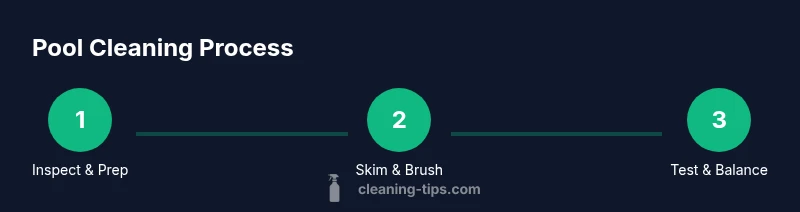
Before starting, clear the deck, remove obstacles, and ensure all equipment is unplugged or turned off. Wear gloves and eye protection as needed. This minimizes accidents and protects the equipment from contamination.
Tip: Verify you have all tools within arm’s reach to avoid mid-task trips. - 2
Skim surface and clear debris
Use a skimmer net to remove leaves, bugs, and floating debris from the water surface. Working from one end to the other reduces debris sinking and keeps the water clearer for brushing and vacuuming.
Tip: Do not skim against the waterline too aggressively to avoid disturbing chemicals. - 3
Brush walls and floor
Brush the interior surfaces to loosen algae and dirt. Start at the waterline and work downward in sections. Use a firm, steady motion and overlap strokes for even coverage.
Tip: Choose a brush appropriate for your pool surface to prevent scratches. - 4
Vacuum the pool
Connect the vacuum to the suction line and move slowly across the bottom, allowing debris to be captured by the filter. Advance in a methodical pattern to avoid missing areas.
Tip: Keep the pump running during vacuuming to prevent air pockets. - 5
Test and balance chemicals
Test pH, alkalinity, and sanitizer levels. Add chemicals gradually, retest, and adjust as needed. Proper balance improves clarity and swimmer comfort.
Tip: Always add chemicals to water, never water to concentrated chemicals. - 6
Shock and sanitize
If water is cloudy or after heavy use, shock the pool per product instructions. Run the filter continuously for several hours to circulate sanitizers evenly.
Tip: Shock in the evening to maximize effectiveness with overnight circulation. - 7
Backwash and clean filters
Backwash or clean the filter according to your system’s guidelines. Dirty filters reduce circulation and cleaning efficiency, leading to cloudy water.
Tip: Do not backwash too frequently; follow manufacturer recommendations. - 8
Record and schedule
Log chemical readings, maintenance tasks, and any issues. Schedule the next routine check and plan seasonal adjustments based on climate and usage.
Tip: Keep a simple notebook or digital log for trend tracking.
Questions & Answers
How often should I test pool water and adjust chemicals?
Test the water at least once a week and after heavy use, rainfall, or heat waves. Adjust pH, alkalinity, and sanitizer levels based on the readings and the product guidelines. Regular testing helps prevent cloudy water and protects swimmers.
Test weekly and after big storms or hot days to keep water balanced.
Do I need a pool vacuum, or can I clean by brushing alone?
A pool vacuum is highly recommended for bottom debris and fine particles that brushing alone won’t remove. If your pool is large or very dirty, a vacuum saves time and improves clarity. Combine vacuuming with brushing for best results.
Yes, a vacuum is essential for deep cleaning, especially on the floor.
Can I swim after adding chlorine or shock treatment?
Wait until the chemical levels normalize and the chlorine smell diminishes, typically a few hours after adding sanitizer or shocking. Recheck the readings before allowing swimming to ensure comfort and safety.
Wait for readings to normalize before swimming.
What is the best way to shock a pool?
Choose a shock product compatible with your pool type and follow label directions. Dissolve powders in a bucket of water first if required, then distribute slowly around the pool while the pump runs. Avoid swimming during the recommended contact time.
Dissolve and distribute as directed; wait before swimming.
How can I prevent algae growth all season?
Maintain proper sanitizer levels, keep pH stable, skim daily, brush weekly, and run the filter long enough to circulate water. Regular shocking during hot periods helps prevent algae blooms.
Keep a steady sanitizer balance and brush regularly.
Watch Video
The Essentials
- Balance chemicals regularly to keep water safe
- Skim daily and vacuum weekly for clarity
- Test water weekly and after rain or heat
- Backwash or clean filters as needed
- Create and follow a seasonal maintenance calendar