Clean the Pond: A Step-by-Step Guide for Healthier Water
Learn how to clean the pond safely with practical steps, seasonal tips, and maintenance routines to keep pond water clear and healthy for fish and plants.


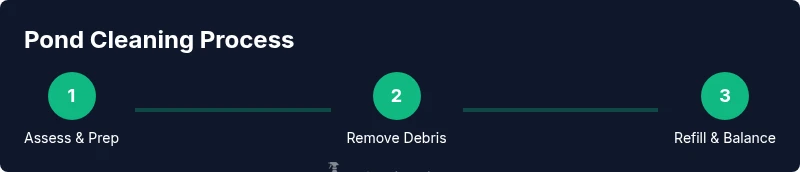
This guide provides a practical, step-by-step approach to clean the pond, protect resident wildlife, and maintain water quality. You’ll learn how to prepare safely, remove debris, test water chemistry, manage partial or full drains, and refilling with dechlorinated water while reintroducing life gradually.
Why Regular Pond Cleaning Matters
According to Cleaning Tips, a well-maintained pond supports fish health, plant growth, and pleasant water features. Regular cleaning helps prevent stagnation, reduces odors, and limits algae blooms that can suffocate aquatic life. When you clean the pond, you're not just making it look nicer; you're creating a stable micro-ecosystem that thrives with careful attention. The Cleaning Tips team found that consistent maintenance correlates with clearer water and happier wildlife across typical backyard ponds. By learning how to clean the pond effectively, homeowners and renters can enjoy a healthier water garden with less odor and fewer nuisance pests. This guide will walk you through practical, step-by-step actions and safety considerations so you can achieve clear water without harming fish or plants. Remember: even small, regular cleanings build long-term resilience for your pond.
In general, you should consider cleaning the pond when you notice murky water, excessive on-surface debris, a strong fishy odor, or a persistent layer of pond scum. The goal is not to sterilize the pond but to restore balance—removing excess waste while preserving beneficial bacteria. When you start, prepare a temporary holding space for fish and plants, keep dechlorinated water on hand, and follow safe procedures. Proper maintenance reduces the risk of ammonia spikes, improves oxygen exchange, and helps you spot issues such as diseased plants or stressed fish earlier. By focusing on gentle cleaning and gradual refills, you preserve your pond’s natural ecology and keep the water safe for resident wildlife.
Pond Health Indicators to Watch
Healthy pond water should remain relatively clear with a gentle shimmer during daylight. Observe fish behavior—active, upright swimming and regular feeding are good signs, while gasping at the surface or lethargy may indicate poor oxygenation or toxins. Aquatic plants should grow steadily with minimal bleaching and no rampant algae mats. Clear water should not be completely free of life; beneficial bacteria and tiny zooplankton help keep the balance. If you see persistent murkiness after a cleaning, test for ammonia, nitrite, pH, and nitrate; unusual results may indicate the need for a partial water change or adjustments to filtration.
A simple checklist can guide you: water clarity, fish behavior, plant vigor, odor, and sediment levels at the bottom. A strong musty or sulfur smell indicates stagnation that needs attention, while a healthy pond often smells earthy and fresh due to the microbial community. Monitoring these indicators helps you decide when to perform maintenance and how aggressively to clean the pond. Remember, the goal is to preserve beneficial bacteria while removing waste and excess debris. Based on Cleaning Tips analysis, these indicators improve pond resilience when routine checks are performed.
Cleaning Approaches: Partial Drain vs Full Drain
There are two practical approaches to cleaning: partial water changes with continued filtration or a full drain if sludge has built up or plants have outgrown the space. Partial cleaning reduces stress on fish and preserves beneficial bacteria. If you choose to drain, do it gradually and monitor water temperature and chemical balance as you refill. In all cases, turn off pumps and disconnect aerators before handling equipment to avoid shocks and injury to occupants.
When in doubt, start with shallow water and a net sweep to remove surface debris, then test the water and proceed more deeply if needed. If you have a heavily stocked pond, plan for a staged cleaning over several sessions rather than a single intensive session. This helps minimize stress to fish while the environment rebalances. The aim is to clean the pond without wiping out the delicate microbial community that keeps ammonia under control and supports plant life.
Seasonal Timing and Maintenance Schedule
Seasonal timing matters for pond cleanliness. A spring cleanup helps remove winter deposits and jump-start the growing season, while a mid-summer check helps prevent algae spikes during warm temperatures. A fall maintenance cycle prepares the pond for approaching cooler weather, reducing the risk of sudden oxygen drops. In addition to seasonal cleanings, adopt a lightweight monthly check to monitor visibility, surface debris, and valve or filter performance. Keeping a simple calendar or log makes it easier to plan the next cleaning and track long-term health of the pond. Remember to clean the pond before it experiences persistent issues, and always adjust your routine to match fish load and plant density.
Tools & Materials
- pond net(Long-handled to reach the bottom and skim leaves without stressing wildlife)
- pond vacuum(Canister or handheld; use for bottom sediment without overworking the filter)
- algae scrub brush(Soft bristles to avoid scratching rocks and liners)
- bucket or pond tub(Temporary holding space for fish or plants if needed)
- hose or siphon(Used for controlled draining/refilling; ensure safe handling)
- dechlorinator / water conditioner(Must be used when refilling with tap water to protect fish)
- water testing kit(Checks pH, ammonia, nitrite, nitrate before reintroduction)
- gloves(Protect hands from bacteria and sharp debris)
Steps
Estimated time: 90-120 minutes
- 1
Power off pumps and unplug equipment
Begin by turning off and unplugging all pumps, aerators, and filtration devices. This prevents electrical hazards and protects fish while you work. Move any sensitive equipment out of the way and ensure you have dry hands before handling cords.
Tip: Do not touch electrical gear with wet hands; keep a dry work area. - 2
Relocate fish and temporary plants
If you have fish or delicate aquatic plants, relocate them to a temporary container with pond water to minimize stress during cleaning. Cover the container to prevent escape and monitor temperature and oxygen while you work.
Tip: Handle fish gently with a soft net and minimize handling time. - 3
Remove surface debris with a pond net
Skim leaves, seeds, and floating debris from the surface using a wide net. This reduces waste that would break down and cloud the water during the cleaning process.
Tip: Use slow, sweeping motions to avoid disturbing fish habitats. - 4
Test water quality before deeper cleaning
Take a sample of pond water and test for pH, ammonia, nitrite, and nitrate. If levels are outside the safe range, plan a smaller cleaning pass and/or partial water change.
Tip: High ammonia or nitrite requires more careful handling and may indicate filtration needs. - 5
Drain partially or plan full drain if necessary
Decide between a partial drain and a full drain based on sludge buildup and plant health. Draining should be gradual and temperature-matched to avoid shocking aquatic life.
Tip: Never drain rapidly into storm drains; dispose of water responsibly and avoid groundwater contamination. - 6
Vacuum bottom sediment and scrub surfaces
Use the pond vacuum to lift settled sludge from the bottom. Scrub rocks, liner edges, and filter surfaces with the algae brush to remove biofilm and algae buildup without harming beneficial bacteria.
Tip: Limit direct contact with the filter media; avoid over-scrubbing to maintain biofilm. - 7
Refill with dechlorinated water and reintroduce life
Refill slowly with dechlorinated water, matching temperature to the pond to minimize shock. Reintroduce fish and plants and resume filtration gradually while monitoring water parameters.
Tip: Give the ecosystem time to rebalance; observe for changes over the first 24–48 hours.
Questions & Answers
When is the best time to clean the pond?
Spring or after heavy algae growth are ideal times to clean. Avoid winter if fish are stressed, and tailor the schedule to your local climate and pond use.
Spring or after algae buildup is best; avoid winter when fish are stressed.
Do I need to drain the pond completely?
Full drains are rarely necessary. Start with a partial drain to remove the most polluted water and debris, and only drain fully if sludge is severe or plants require extra space.
Usually partial drains are enough; full drains are only for extreme cases.
Can I use household chemicals to clean the pond?
Avoid household cleaners and non-pond-safe chemicals. Use products labeled as safe for ponds and fish, and never mix chemicals.
Never use household cleaners in a pond with fish.
How often should I test water quality?
Test after cleaning and at regular intervals (monthly is common) to catch changes in pH, ammonia, nitrite, and nitrate early.
Test water regularly, especially after cleaning.
What should I do after cleaning to protect fish?
Reintroduce fish gradually, monitor oxygen levels, and avoid sudden temperature or chemical changes during the first 24–48 hours.
Reintroduce fish slowly and watch for stress signals.
How do I reintroduce fish safely after cleaning?
Use a acclimation approach: float the bag/container to match temperature, then gradually mix pond water with the holding water before release.
Float and slowly acclimate fish before release.
Watch Video
The Essentials
- Clean the pond safely with a step-by-step plan.
- Prefer partial drains to protect beneficial bacteria.
- Test water quality before reintroducing wildlife.
- Regular maintenance reduces long-term algae and odor.
- Document maintenance to improve future cleanings.