How Long Clean to Pass Drug Test: Safe, Legal Guidance
Learn why there is no universal detox timeline, how tests work, and practical, lawful steps to navigate workplace drug testing with honesty and safety.


Definition: There is no universal timeframe for how long clean to pass a drug test. Detection windows vary widely by substance, how often it’s used, metabolism, body fat, and the type of test (urine, blood, hair, or saliva). This guide explains the science behind testing, safe practices, and how to navigate workplace policies responsibly. It emphasizes that honesty, compliance, and prevention are the best strategies for staying compliant with employer requirements.
What drug tests measure and why timelines vary
Understanding what is being tested helps you understand why there is no one-size-fits-all answer to how long it takes to test negative. In workplace settings, labs screen for substances that can impair safety or performance, including common illegal drugs and certain prescription medications when used improperly. The exact panel depends on the employer, the job role, and the governing regulations. Because different substances remain detectable for varying periods in different biological samples, it is not possible to offer a universal countdown. According to Cleaning Tips, policies are designed to protect health and safety; the goal is accurate results that reflect current status rather than a fixed calendar. This nuance matters for employees who want to plan responsibly around testing schedules, especially when medical treatment or prescription medications are involved. By understanding the scope of the test, you can engage the process with honesty and a focus on safety rather than chasing vague timelines.
How labs detect substances: a quick primer
Laboratories use a two-step approach: a broad screening test to flag potential positives, followed by confirmatory testing to verify results. Screening often employs immunoassay methods that are fast and cost-effective, while confirmatory analyses use highly specific techniques such as GC-MS or LC-MS/MS. Different specimen types—urine, hair, saliva, or blood—have distinct strengths and limitations, including how long substances remain detectable and how quickly results are reported. Chain of custody, blind samples, and quality controls ensure the integrity of the process. Understanding these basics helps applicants and employees engage with HR in a fact-based way, rather than relying on folklore or unfounded detox claims.
Factors that influence detection windows
There isn’t a single rule for how long substances stay detectable. Several factors shape detection windows:
- Substance type and potency: Different drugs and metabolites are detected by different tests.
- Dose and pattern of use: Occasional use may clear faster than daily or binge use.
- Metabolism and body composition: Faster metabolisms and lean body mass can affect clearance rates; higher body fat can influence storage and release of some substances.
- Time since last use: The longer the gap, the more likely a test will reflect status closer to baseline.
- Test type and sample: Urine tests typically detect recent use; hair tests can reflect longer histories; saliva and blood have their own windows.
- Hydration and health status: Hydration alone does not guarantee clear results and should not be used as a strategy to circumvent testing.
Debunking detox myths: what actually works and what doesn't
Many products and regimes claim to cleanse or flush drugs from the system quickly. The reality is that there is limited, if any, scientific evidence supporting safe, reliable detox methods that alter detection windows in a meaningful way. Some methods can be unsafe or interact with medications. It’s essential to approach any detox claims with skepticism and prioritize documented, health-conscious choices. A respectful, fact-based discussion with HR or a clinician is the recommended path when medical treatments could affect test results.
Safe, legal steps to prepare: what you can do today
Begin by reviewing your employer’s drug-testing policy and your rights under local laws. If you have a prescription for a substance that could trigger a positive result, gather official documentation from your healthcare provider. Discuss any medical considerations with a clinician to understand potential implications for work duties and safety. Keep notes about conversations with HR and maintain a transparent, professional approach. Remember: the goal is compliance and safety, not evasion.
What to do if you face a positive result: practical guidance
If a test comes back positive, request a confirmatory test if appropriate and review the chain-of-custody paperwork. Seek guidance from HR about next steps, potential accommodations, or retesting timelines. If you believe there is an error or a medical explanation, provide supporting documentation and ask for a respectful review. Throughout, protect your privacy and comply with medical and employment laws.
Talking to HR and navigating policy ethically
Approach HR with clarity and honesty. Prepare a concise explanation of any relevant prescriptions, medical conditions, or misunderstandings. Ask about possible accommodations, acceptable documentation, and timeline for retesting or review. A constructive, cooperative stance helps preserve your standing while respecting workplace safety.
Medical considerations, prescriptions, and testing artifacts
Some prescribed medications can trigger false positives or complicate interpretation. If you are taking a prescription, obtain documentation from your prescriber and share it with HR per policy. A healthcare professional can help you understand potential interactions with testing methods and how to communicate safely with your employer.
Building a culture of safety and responsibility at work
Beyond individual tests, a safety-focused workplace benefits everyone. Education about medications, clear communication, and supportive policies reduce stress and confusion around testing. When teams understand the goals—protecting health, ensuring safety, and maintaining trust—families and communities benefit as well.
Tools & Materials
- Access to official drug testing policy(From employer HR portal or policy document)
- Notepad and pen(For jotting questions during policy review)
- Personal health documentation(Prescription details or physician letters, if applicable)
- Contact details for HR and healthcare provider(Have them ready in case you need to discuss guidelines)
Steps
Estimated time: 15-25 minutes
- 1
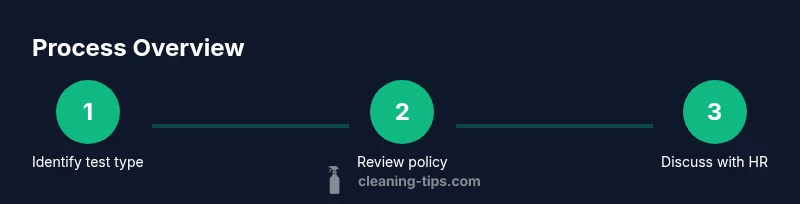
Identify test type and substances tested
Begin by confirming the test type used by your employer (urine, blood, hair, or saliva) and the specific substance panel. This helps set realistic expectations for policy discussions and documentation needs.
Tip: Ask HR for the official test panel and any medical exemptions that may apply. - 2
Review the employer policy
Read the written policy closely. Note any deadlines, notification processes, and how results are reported. Understanding the policy reduces confusion during conversations.
Tip: Take notes and highlight sections about disclosure requirements and accommodations. - 3
Check legal rights in your region
Verify local labor laws and privacy protections that apply to drug testing and medical disclosures. This helps you navigate conversations confidently and lawfully.
Tip: If unsure, consider a brief consultation with a legal advisor or an employment rights resource. - 4
Gather medical documentation if needed
If you have a prescribed medication that could affect test results, collect official prescription details and a letter from your clinician.
Tip: Prepare a concise summary for HR explaining how the prescription aligns with safety at work. - 5
Prepare for a conversation with HR
Draft a respectful script that explains your situation, references policy, and asks about accommodations or next steps.
Tip: Keep the tone professional and focus on safety and compliance. - 6
Document all communications
Record dates, times, and key points of all policy discussions. Documentation helps prevent miscommunication and provides a paper trail.
Tip: Store notes securely and never share sensitive information beyond HR or your clinician. - 7
Request guidance on next steps
Ask HR about retesting timelines, review processes, or accommodations if applicable to your role.
Tip: Clarify expectations for testing intervals and safety responsibilities. - 8
Plan for safety and duty requirements
If your work involves safety-critical tasks, discuss any necessary temporary adjustments or duties during the review period.
Tip: Prioritize transparent communication to preserve safety and trust. - 9
Seek medical or legal counsel if needed
If the situation is complex, obtain guidance from a healthcare professional or an employment rights attorney.
Tip: Choose professionals with experience in workplace health and privacy. - 10
Follow up and adapt
After discussions, implement agreed actions and monitor what changes in practice or documentation are required.
Tip: Revisit the policy annually or when roles or regulations change.
Questions & Answers
What substances are commonly tested in workplace drug tests?
Most workplace panels test for illegal drugs and certain prescription medications that can impair performance or safety. Specific substances vary by employer and role. Policies explain which substances are prioritized and how results are interpreted.
Most workplaces test for common illegal drugs and some prescription medications that could affect safety. Check your policy for exact substances.
Do detection windows differ between urine, hair, and saliva tests?
Yes. Different sample types reflect different windows of detection and testing methods. Urine, hair, and saliva each have distinct strengths, limitations, and interpretation considerations that employers outline in policy documents.
Different test types show different timeframes for detection; review your policy for specifics.
Can I refuse a drug test?
Rights vary by jurisdiction and employer policy. Refusal can have consequences. If you have concerns, seek guidance from HR or a legal advisor to understand options and potential accommodations.
Rights vary by location; talk to HR if you have concerns about testing.
What should I do if I have a prescription that could affect the test?
Inform HR and provide official documentation from your healthcare provider. This can help determine permissible accommodations and how results should be interpreted.
Tell HR about your prescription and share documentation to clarify the situation.
Do hydration or detox products help, and are they safe?
Hydration alone doesn’t guarantee negative results and detox products lack proven safety and efficacy. Rely on policy-informed steps and medical advice instead.
Drinking water isn’t a guaranteed fix, and many detox claims aren’t proven or safe.
What if the test result is disputed or appears incorrect?
Request a confirmatory test if appropriate and engage HR through a documented process. Gather supporting documentation and seek advice as needed.
If you suspect an error, request review and share any supporting documents.
Watch Video
The Essentials
- Understand the policy before actions.
- There is no universal detox timeline.
- Disclose prescriptions with proper documentation.
- Detox products lack proven effectiveness and can be unsafe.
- Prioritize safety, legality, and honesty.