How to Clean Gear Oil Off Concrete: A Step-by-Step Guide
Learn a proven method to remove gear oil stains from concrete. This guide covers absorbents, degreasers, scrubbing, and sealing to keep garages clean.


Learn how to remove gear oil from concrete quickly and safely. Start by absorbing excess oil, apply a degreaser, scrub with a stiff brush, rinse, repeat as needed, and finish with a sealant to resist future stains. This quick guide outlines the steps, tools, and safety tips you’ll need.
Why Gear Oil Stains Adhere to Concrete
Gear oil is a heavy, viscous lubricant that clings to porous concrete surfaces. The oil's long hydrocarbon chains penetrate tiny pores, leaving a dark, amber stain that can darken when heated. According to Cleaning Tips, prompt action matters: absorb the spill quickly and begin treatment before the oil penetrates deeply. The Cleaning Tips team found that the best results come from combining mechanical removal with a degreasing solution and ample rinsing. In garage floors or driveways exposed to sun and heat, stains tend to set faster, so faster response yields better outcomes. If you’re dealing with a fresh spill, act now to prevent permanent darkening and edge spreading.
Safety and Prep: What You Need Before You Start
Before you reach for a chemical solution, gather PPE and prepare the area. Wear nitrile gloves, eye protection, and a breathable mask if you are using solvents. Ensure good ventilation and protect nearby plants or landscaping with a plastic sheet. Clear the area and place a tarp to catch drips. Use a stiff-bristled brush and a broom to move debris. This prep reduces exposure and makes cleanup easier later. The Cleaning Tips approach emphasizes safety and keeping children and pets away during treatment. Have a bucket of clean water handy to rinse residues and neutralize any cleaner. Proper prep minimizes risk and improves stain removal results.
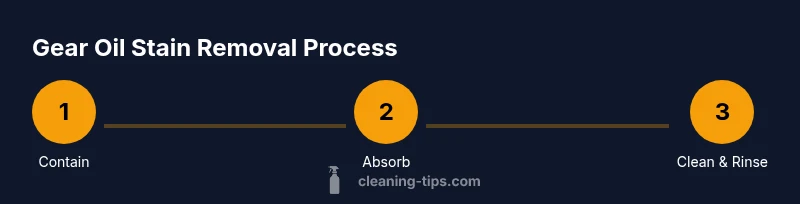
Step 1: Contain and Absorb the Spill
If the spill is active, stop it from spreading by surrounding the stain with absorbent material. Cat litter is a common choice, or you can use a commercial absorbent. Let it sit for 15-30 minutes to soak up as much oil as possible, then sweep up the used absorbent and seal it in a bag for disposal. Absorbing first prevents the oil from migrating and keeps the surface manageable for treatment. In many cases, prompt absorption reduces the size of the stain significantly and buys you time for a more effective cleaning cycle.
Step 2: Apply a Degreaser and Agitate
Apply a biodegradable, pH-balanced degreaser liberally to the stained area. Use a stiff brush to scrub the surface in circular motions, working from the outside edge toward the center to avoid pushing oil into clean areas. If the product recommends a dwell time, allow it to sit for 5-10 minutes to break down the oil, then scrub again. Don’t let the solution dry on the concrete, as that can leave a residue. Rinse lightly and reassess—this is a critical phase for lifting the stain without damaging the surface.
Step 3: Rinse, Reassess, and Repeat
Rinse the area with a strong stream of water. A pressure washer on a low setting can help, but avoid high pressure that could erode the concrete or push oil deeper. Look for any remaining discoloration and repeat degreaser application and scrubbing as needed. For stubborn areas, switch to an enzyme-based cleaner or a poultice designed for oil stains and follow the label directions. In many cases, two to three treatment cycles yield noticeable improvement and reduce the sheen of oil on the surface.
Step 4: Use Poultice for Persistent Stains
For deeply set stains, a poultice can pull oil from the concrete. Combine an absorbent carrier (baking soda, diatomaceous earth, or commercial poultice base) with a solvent-friendly binder to form a thick paste. Spread over the stain to about 1/4 to 1/2 inch thickness, cover with plastic wrap to keep it moist, and let sit for several hours or overnight if permitted by the product instructions. Remove the poultice, rinse thoroughly, and recheck the area. Repeat if the stain remains visible.
Note: Poultices work best on medium-porosity concrete and may require several applications for stubborn residues.
Step 5: Dry, Seal, and Maintain
Allow the concrete to dry completely before sealing. Once dry, apply a penetrating concrete sealer to create a barrier against future spills. Follow the sealer’s cure times exactly and ensure good ventilation during the process. Sealing helps repel oil and makes future cleanup easier. To maintain long-term cleanliness, adopt a routine: clean spills promptly, refresh the sealer as recommended by the manufacturer, and place a drip mat under vehicles or equipment to reduce future staining.
When to Call a Pro or Refinish Concrete
If the stain persists after multiple cleaning cycles or the surface is highly porous or damaged, a professional assessment is warranted. A pro may offer advanced cleaners, stronger degreasers, or resurfacing options that restore appearance and performance. In some cases, a polymer-modified overlay or a new seal coat can provide a durable, long-lasting solution that DIY methods alone cannot achieve.
Maintenance Tips to Prevent Future Gear Oil Stains
Create a proactive cleaning routine to minimize future stains. Use drip pans beneath vehicles, place absorbent mats in high-risk areas, and clean spills as soon as they occur. Regularly inspect and refresh the concrete sealer to maintain a protective barrier. Document when and how stains appeared to tailor future prevention strategies. With consistent care, gear oil stains become far less frequent and easier to manage, saving time and effort over the long run.
Tools & Materials
- Absorbent material (cat litter or commercial absorbent)(Cover 6-12 inches around the spill; allow 15-30 minutes for absorption)
- Nitrile gloves(Chemical resistant and comfortable for extended wear)
- Safety goggles(Protect eyes from splashes during scrubbing)
- Stiff-bristled brush(2-3 inch nylon or polypropylene bristles)
- Broom and dustpan(Move debris and used absorbent for disposal)
- Degreaser (biodegradable, pH-balanced)(Follow label for dwell time and safety guidance)
- Dish soap or mild detergent (optional)(Contact cleaner or secondary cleaner if needed)
- Pressure washer or garden hose with spray nozzle(Low-pressure setting preferred to avoid surface damage)
- Concrete sealer (penetrating or topical)(Apply after drying to create a protective barrier)
Steps
Estimated time: 45-90 minutes active; 6-24 hours drying/curing for sealant
- 1
Contain and absorb
Secure the area and place absorbent material around and on the spill. Let it soak for 15-30 minutes, then sweep up for disposal. This prevents spread and kickstarts stain removal.
Tip: Use multiple layers if the spill is large to prevent run-off. - 2
Apply degreaser and agitate
Liberally apply a biodegradable degreaser to the stain. Scrub with a stiff brush, moving from outside in. Do not let the solution dry on the surface; rinse if you see residues.
Tip: Work in sections to maintain consistent agitation and dwell time. - 3
Rinse and reassess
Rinse with a strong stream of water and check if the stain remains. Repeat degreasing and scrubbing as needed. Consider enzyme cleaners for lingering residues.
Tip: A low-pressure setting reduces the chance of surface damage. - 4
Try a poultice for stubborn stains
Spread a thick poultice over the stain and cover with plastic wrap to keep moist. Leave for several hours or overnight as permitted, then remove, rinse, and recheck.
Tip: Ensure the poultice is compatible with your concrete type. - 5
Dry, seal, and maintain
Let the surface dry completely before applying a sealer. Seal per product directions to reduce future staining and simplify cleanup.
Tip: Seal every 1-3 years depending on usage and wear. - 6
Know when to call a pro
If stains persist after multiple attempts, seek professional evaluation for advanced cleaners or resurfacing options.
Tip: A pro can assess porosity and recommend the best sealing strategy.
Questions & Answers
What is the best degreaser for gear oil on concrete?
Biodegradable, pH-balanced degreasers are effective and safer for concrete. Always test in a small area first and follow label directions.
Biodegradable degreasers work well for concrete; test first and follow the label.
Can I remove gear oil stains with household products?
Yes. Start with absorbents, dish soap or mild detergent, and a stiff brush. For stubborn stains, use a dedicated degreaser.
Yes. Use absorbents and a mild cleaner, then switch to a degreaser if needed.
How long does it take to dry after cleaning?
Drying times vary with weather and porosity, but plan for several hours to a day before sealing.
Drying can take several hours to a full day; plan accordingly.
Should I seal concrete after cleaning gear oil?
Yes. Sealing creates a barrier that helps resist future stains and makes cleanup easier.
Yes, sealing helps prevent future stains and makes cleanup easier.
What if the stain persists after several attempts?
Repeat the cleaning cycle with degreaser and consider a poultice or professional assessment if necessary.
If it persists, repeat the process or consult a professional.
Can I use bleach on gear oil stains?
Bleach is not recommended for concrete stains as it can alter color and may not effectively remove oil.
Bleach isn’t recommended for oil stains on concrete.
Is a pressure washer necessary?
A pressure washer can help but should be low pressure to avoid damage; hand rinsing can work for lighter stains.
Pressure washing helps but use low pressure to protect the surface.
Watch Video
The Essentials
- Act quickly to reduce stain depth.
- Combine absorbents, degreaser, and mechanical scrubbing for best results.
- Rinse thoroughly and reassess before repeating.
- Seal after drying to prevent future stains.
- When in doubt, consult a professional for persistent stains.