How to Get Started Cleaning with ADHD
A practical, ADHD-friendly guide to starting cleaning with confidence using timers, simple checklists, and visual cues.


With ADHD, getting started cleaning can feel overwhelming. This guide shows how to begin with small, timed tasks, simple tools, and visual cues that stay out of the way. By following a structured, ADHD-friendly approach, you’ll build momentum without sacrificing clarity or motivation—setting up routines that actually stick. Start small today, and celebrate tiny wins. This approach prevents burnout and builds confidence over time.
Understanding ADHD and Cleaning: Why It Feels Hard and How This Approach Helps
Living with ADHD can make everyday chores feel like an overwhelming avalanche. Tasks that others complete in a short burst can stretch into long, distracting sessions. This is not a failure of will; it’s a difference in how attention, task initiation, and working memory work for many people. The key is to adapt cleaning to how your brain works. This guide follows a structured, ADHD-friendly approach to getting started with cleaning, focusing on bite-sized tasks, predictable routines, and immediate feedback. According to Cleaning Tips, breaking work into visible, timed sprints increases adherence and reduces burnout. By starting with tiny, clearly defined goals and a simple system, you create momentum that compounds over days and weeks. You’ll learn to select tasks that fit into short windows, simplify tools and supplies, and use visual cues to signal progress. The goal isn’t perfection; it’s a sustainable rhythm you can repeat. This is how to get started cleaning with adhd in a way that respects your attention span and energy levels.
Build a Minimal, ADHD-friendly Cleaning System
A minimal system reduces decision fatigue and keeps your space manageable. Start with a single cleaning station: a cart or shelf with your most-used supplies, clearly labeled bins for dirty vs clean items, and a simple checklist that you can glance at in seconds. The aim is quick, visible wins, not a perfect overhaul. Keep the number of products small and choose ones you actually enjoy using. Use color-coded labels and a dedicated space for rags, sprays, and trash bags. This approach makes it easier to begin a session and to finish it without hunting for supplies. Cleaning Tips emphasizes that a straightforward setup reduces friction for people with ADHD and supports consistent momentum. By designing a system that’s easy to repeat, you can tackle daily messes before they grow, and you’ll feel the relief of order without cognitive overload.
The Power of Time-Boxed Cleaning Sessions
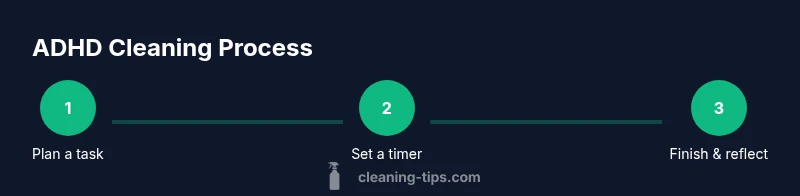
Time-boxing helps manage attention by pairing activity with a timer. Start with short sprints—15 minutes is a good baseline for many people, then take a 2-minute reset. Use a visible timer on your phone or a kitchen timer, and put a small reward at the end of each sprint to reinforce positive vibes. This rhythm creates three benefits: it reduces the urge to procrastinate, it provides concrete feedback on progress, and it makes maintenance tasks feel doable. Cleaning Tips analysis shows that structured timers and visual cues improve adherence and reduce the cognitive load of starting a task. If you finish early, celebrate with a quick victory, then reset for the next sprint. The goal is consistent practice, not marathon cleaning sessions.
Visual Cues and Simplified Routines
Visual cues help your brain know what to do next. Create a one-page, room-by-room checklist with checkmarks you can see at a glance. Use sticky notes on doors, color-coded tags on storage bins, and a simple daily routine that takes less than 10 minutes. The cue system should be easy to scan while you’re standing, not hidden inside apps. For ADHD minds, the simplest workflows win. Set reminders at predictable times (e.g., after meals or before bed) and keep a consistent order for tasks. The visual cues keep you oriented and motivated, reducing the mental load of planning. This section is a practical reminder that small, repeatable actions beat sporadic big cleanups.
A Room-by-Room Starter Plan
Choose three high-impact areas to begin: the kitchen, the bathroom, and the living area. For each space, pick one to three small tasks that fit into a 15-minute sprint. Examples: wipe counters, sweep a quick floor section, and declutter a single shelf. Use your tools to make the tasks feel tiny and manageable, then close out the session with a quick reset and a note on what to do next. This plan is designed to be flexible and forgiving—adjust tasks, timing, and order to match your energy levels. When you finish, log what worked and what didn’t so you can refine your routine. The aim is steady progress with less fatigue, not perfect cleanliness.
Authoritative sources and practical extensions
- https://www.cdc.gov/ncbddd/adhd/index.html
- https://www.nimh.nih.gov/health/topics/attention-deficit-hyperactivity-disorder-adhd
- https://www.mayoclinic.org/diseases-conditions/adhd/symptoms-causes/syc-20350895
These sources offer foundational information on ADHD and strategies for managing attention and routines, which complement the practical cleaning guidance in this article. Cleaning Tips integrates these insights to help you design realistic, ADHD-friendly cleaning habits.
Tools & Materials
- Timer (digital or physical)(Set to 15 minutes for focused sprints; visible to you during sessions)
- Checklist notebook or habit-tracking app(One-page, simple format; quick tick marks after each task)
- Microfiber cloths(Pack of 6; reuseable and effective for quick cleans)
- All-purpose cleaner(Low-tox, spray bottle; keep within easy reach)
- Storage bins or baskets(For grouping tasks by room/zone (dirty vs clean))
- Label maker or masking tape and marker(Optional visual cues to mark zones or products)
Steps
Estimated time: 45-60 minutes
- 1
Define a single target task
Choose one small cleaning task that fits into a 10- to 15-minute window. Write it on your checklist and commit to finishing it before you stop for a break. This reduces overwhelm and gives your brain a clear endpoint.
Tip: Keep the task to 15 minutes max; if you finish early, celebrate quietly and move on. - 2
Set up your workspace and timer
Gather the supplies you’ll need for the task and place them within arm's reach. Start the timer, and decide in advance what the “done” looks like to avoid drift during the session.
Tip: Turn off non-essential notifications to protect focus during the sprint. - 3
Start the cleaning sprint
Begin immediately at the timer sound. Work steadily, and don’t multitask. If you notice a distraction, note it on your checklist and continue with the task.
Tip: Use a metronome-like rhythm (beat every few seconds) to maintain pace if you tend to slow down. - 4
Pause, reset, and reflect
When the timer ends, take a two-minute reset: stretch, inhale, and quickly assess what was accomplished. Decide whether to continue with another sprint or stop for the day.
Tip: A brief reset helps prevent cognitive overload and makes the next sprint more inviting. - 5
Log progress and reward yourself
Mark completed tasks on your checklist and note what helped or slowed you down. Give yourself a small reward to reinforce the behavior.
Tip: Rewards should be quick and meaningful, like a five-minute coffee break or a favorite song. - 6
Plan the next micro-session
Review what worked, then pick the next task and time window. Schedule it in your calendar or set a reminder so you don’t forget.
Tip: Anchor the next session to a predictable cue (e.g., after lunch).
Questions & Answers
What is the first step to cleaning with ADHD?
Begin with one small task that fits in 10-15 minutes, and use a timer to create a clear endpoint. This reduces overwhelm and builds quick momentum.
Start with a tiny task and a timer to get moving.
How can I stay motivated after the first session?
Set micro-goals and celebrate small wins. A predictable routine helps your brain anticipate success and reduces resistance to starting again.
Create small wins and celebrate them to keep going.
What tools are essential for ADHD-friendly cleaning?
A timer, a simple checklist, and easy-to-reach cleaning supplies. Keep everything organized in a dedicated cleaning station.
Use a timer, a simple checklist, and easy-to-reach supplies.
Are there safety concerns I should watch for?
Ventilate well, follow label directions on cleaners, and avoid mixing products. Start with non-toxic products when unsure.
Ventilate and follow cleaner labels; avoid mixing products.
How long before I see improvements in my cleaning?
Consistency matters more than intensity. With regular, short sessions over several weeks, cleanliness and organization improve noticeably.
Consistent short sessions lead to noticeable improvements over weeks.
Watch Video
The Essentials
- Start with tiny, timer-driven tasks.
- Create a simple, ADHD-friendly system.
- Use visuals to cue progress.
- Track wins to build momentum.
- Keep safety and routines balanced.