How to Clean Roofing in San Jose: A Practical Guide
A practical, safety-focused guide for cleaning roofing in San Jose. Learn eco-friendly methods, local climate considerations, and when to hire a pro to protect your shingles and home.


Clear, safe roof cleaning in San Jose is achievable with a calm plan and the right tools. This guide helps homeowners remove moss, algae, and debris from asphalt, tile, and metal roofs while protecting shingles. You’ll learn safety steps, eco-friendly cleaning options, and when to call a pro for steep pitches or damaged flashing.
Why Clean Roofing San Jose Matters
Maintaining a clean roof is more than curb appeal; in San Jose's Mediterranean climate, algae, moss, and mineral deposits can slowly degrade shingles and invite leaks. According to Cleaning Tips, regular roof cleanliness helps prevent moisture intrusion and can extend roof life. For homeowners in clean roofing san jose climates, a routine cleaning schedule tailored to roof pitch and tree cover makes a big difference in maintenance costs over a decade. The goal isn't to rinse every inch aggressively but to remove debris, slow the growth of moss and algae, and inspect flashing and seals for signs of wear. A clean roof also improves roof staining appearance and the home’s overall resale value. By prioritizing this task, you can prevent costly repairs and extend the lifespan of your roofing system.
- The local climate in San Jose makes regular maintenance practical, especially where trees shed leaves that clog gutters and trap moisture near edges.
- Regular cleaning supports energy efficiency by reflecting sunlight away from the roof surface, which can help reduce cooling loads on hot days.
- A proactive approach now saves money later by reducing the risk of hidden leaks and wood rot underneath roofing materials.
Local Climate Considerations and Safety Before You Start
San Jose summers bring sunshine that can dry cleaners quickly but also create slippery roof surfaces after a light morning dew. Plan outdoor work for dry, mild days and avoid extreme heat or wet conditions to reduce slip risk. According to Cleaning Tips, always prioritize personal safety when cleaning roofs: wear a harness if you can, secure a stable ladder, and work with a partner if possible. Before you begin, identify nearby power lines and avoid stepping on areas that feel brittle or visibly damaged. If your roof is steep, long, or heavily covered in moss, consider hiring a professional. This is especially true for tiles or clay roofs common in warmer parts of the peninsula. Properly assessing the roof's condition first helps prevent falls and costly mistakes.
Cleaning Methods for San Jose Roofs
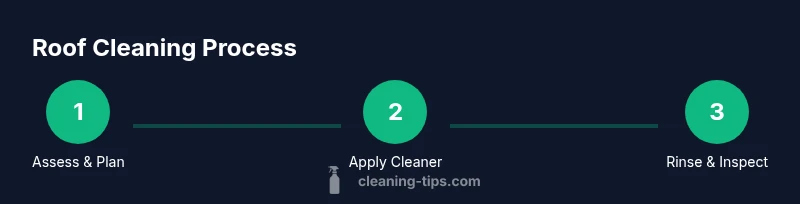
Most residential roofs tolerate gentle cleaning with low-pressure methods and eco-friendly solutions. Start with a dry brush to dislodge loose debris, then apply a cleaning solution designed for rooftops—oxygen bleach or sodium percarbonate-based formulas are commonly recommended because they break down organic growth without harsh chlorine. Apply from the bottom up or in sections, and allow the solution to dwell for 10–15 minutes before rinsing with a garden hose at low pressure. Never use a pressure washer on asphalt shingles, ceramic tiles, or metal panels; high pressure can strip coatings and shorten roof life. Rinse thoroughly to remove residue, and avoid leaving chemical runoff on plants or landscaping. For heavily stained areas, repeat treatment, but always follow manufacturer directions and local waterway guidelines.
Gutter and Roof Debris Management
Debris on the roof—leaves, needles, pine cones—causes moisture pockets that promote moss growth and can trap water against fascia. Start by removing loose debris with a soft roof brush, working from the top down to minimize recontamination of cleaned areas. Then, clear gutters and downspouts to ensure proper drainage. While working, keep your work area tidy and limit kayaking movements on the slope to reduce the risk of slips. Gutter cleaning not only improves runoff but also makes subsequent roof cleaning more effective since water can freely flow away from the surface.
Moss, Algae, and Lichen Removal
Moss and algae thrive in shaded, moist areas and can loosen shingles over time if left unchecked. Use a gentler method first—scrub with a soft-bristle brush and a gentle cleaning solution—before reaching for stronger agents. Oxygen bleach-based formulas are generally safer for asphalt shingles and many tile types, but always test a small area first. For persistent growth, you may need to repeat the application after a short dwell time. Avoid metal tools that can scratch surfaces. In San Jose, trees create shade and moisture conditions favorable to moss; keeping roof coverings clear of overhanging branches helps reduce recurrence.
Maintenance Schedule and When to Hire a Pro
Most homes in temperate California climates benefit from roof cleaning every 2–5 years, depending on tree cover, roof material, and rain exposure. If you notice curling shingles, cracks, lifted flashing, or persistent staining despite regular cleaning, consult a licensed roofing contractor. A pro can assess structural integrity, re-seal flashing, and perform more invasive tasks safely. Regular visual inspections after storms can catch problems early and save substantial repair costs over time.
- A consistent maintenance calendar helps you catch small issues before they become large ones.
- Hiring a pro is advisable when roof pitch exceeds safe DIY limits or when roof damage is suspected.
DIY vs Professional: Choosing the Right Path
DIY roof cleaning can be safe for low-pitch roofs with minimal debris, but high-pitch surfaces or deteriorating materials demand professional attention. Pros have specialized equipment for safe access, knowledge of local building codes, and the experience to identify hidden issues such as damaged underlayment or compromised flashing. If you’re unsure about the roof’s condition, start with a professional inspection. This upfront investment often pays for itself by preventing missteps that could void warranties or cause leaks.
- Evaluate roof pitch, material type, and accessibility before deciding.
- Check for manufacturer warranties that require professional maintenance to remain valid.
- When in doubt, schedule a safety-first professional evaluation.
Eco-friendly Practices and Water Runoff
When selecting cleaners, prioritize eco-friendly formulas that break down naturally and minimize environmental impact. Use the smallest effective amount of cleaner, and avoid rinsing chemicals into storm drains or gardens. Collect runoff when possible and direct it away from plant beds and exposures sensitive to cleaning agents. After cleaning, inspect your yard for any chemical residue and rinse soil edges if needed. This approach protects local waterways and aligns with sustainable home maintenance practices advocated by Cleaning Tips.
Authority Sources
For guidance beyond practical steps, consult authoritative sources such as municipal water quality guidelines and roofing industry best practices. You can also review university extension resources on exterior cleaning and home maintenance for region-specific advice. The following sources provide foundational information on roof care, safety, and environmental considerations:
- https://www.epa.gov/
- https://extension.osu.edu/
- https://extension.psu.edu/
These references offer general standards that can help you tailor a San Jose roof-cleaning plan to your home’s materials and climate. Always verify local regulations and product labels before use.
Tools & Materials
- Stabilized ladder(Extension ladder tall enough to reach eaves; use ladder stabilizer on soft ground)
- Safety harness and rope(Use fall-arrest system when working on steep pitches)
- Non-slip roofing shoes(Grip feet and prevent slips on shingle surfaces)
- Garden sprayer or pump sprayer(For applying cleaning solution evenly)
- Oxygen bleach or sodium percarbonate cleaner(Safer than chlorine bleach for most roof types)
- Soft-bristle brush (1–2 inch bristles)(Gently remove moss and staining without scraping)
- Garden hose with adjustable nozzle(Low-pressure rinse; avoid high-pressure spray)
- Roof-safe scraper (plastic)(Optional for stubborn moss; avoid metal scrapers on shingles)
Steps
Estimated time: 2-6 hours
- 1
Assess roof safety and plan
Walk around the home to identify hazards, note the roof type, and decide if DIY is appropriate. Check weather, ensure you have a partner, and mark off the area to prevent bystanders from entering the workspace.
Tip: Plan for a dry, mild day and test a small area before full cleaning. - 2
Set up safety gear and tools
Position the ladder securely on stable ground. Attach a fall-arrest system if needed and wear non-slip shoes. Gather cleaners and brushes within reach to minimize movement on the roof.
Tip: Double-check ladder angle (roughly 4:1) and keep three points of contact when climbing. - 3
Apply cleaning solution
Mix a roof-safe cleaner according to label directions. Apply from the bottom up in sections, keeping a wet edge to avoid streaking, and allow the solution to dwell for 10–15 minutes.
Tip: Avoid applying in direct sun to prevent rapid drying and uneven results. - 4
Gently scrub stained areas
Use a soft-bristle brush to lift moss and algae without scratching shingles. Work in small, overlapping strokes and rinse the brush frequently to remove debris.
Tip: Use a plastic scraper only on stubborn patches to avoid damage. - 5
Rinse thoroughly with low pressure
Rinse from the top down in a continuous motion, ensuring all cleaner is washed away. Keep nozzle at a safe distance to avoid lifting shingles.
Tip: Never use a high-pressure nozzle on asphalt or tile roofs. - 6
Inspect flashing and gutters
After cleaning, inspect roof flashing, seals, and gutters for damage or blockages. Clear debris from eaves and downspouts and note any areas needing repair.
Tip: Document any issues for prompt professional evaluation.
Questions & Answers
Is it safe to clean a roof yourself, or should I hire a pro?
DIY cleaning can be safe for low-pitch roofs with proper safety gear and the right cleaners. Steep pitches, damaged flashing, or tiles require professional assistance to prevent injury and further damage.
Cleaning a roof yourself is possible for simple roofs, but for steep or damaged roofs, hire a professional to avoid serious injuries.
What cleaning solutions are safe for asphalt shingles?
Oxygen bleach-based cleaners are generally safe for asphalt shingles when used as directed. Avoid concentrated chlorine bleach on many roof types, and always test a small area first.
Use oxygen bleach cleaners and follow label directions; avoid chlorine bleach on most shingles.
How often should I clean a roof in San Jose?
A typical schedule is every 2–5 years, depending on shade, tree coverage, and climate. More frequent cleanings may be needed in dense tree canopies.
Most homes clean every 2–5 years, adjusted for trees and shade.
Do I need permits or permits for roof work in San Jose?
Roof work often falls under property maintenance rather than a specific permit, but local ordinances vary. Check with city building standards to confirm requirements.
Check local regulations before climbing or lifting heavy loads on the roof.
Can I use a pressure washer on my roof?
No—high-pressure washing can remove granules, damage shingles, and void warranties. Use a garden hose with a soft brush and low-pressure rinsing instead.
Avoid pressure washers on shingles; use a soft brush and low-pressure rinse.
What should I do about persistent moss or algae?
For persistent growth, apply a second treatment after a dwell time and consider trimming overhead branches to reduce shade and moisture accumulation.
If moss sticks around, reapply cleaner after dwell time and reduce shade with pruning.
Watch Video
The Essentials
- Plan safety first and inspect the roof before cleaning
- Use low-pressure methods and eco-friendly cleaners
- Avoid high-pressure washing on shingles
- Inspect flashing and gutters after cleaning
- Decide between DIY or professional help based on roof pitch and damage