How to Clean Roof Moss: A Practical Home Guide
Learn safe, step-by-step methods to remove roof moss, protect shingles, and prevent regrowth. This guide from Cleaning Tips covers tools, techniques, and maintenance for homeowners and renters.


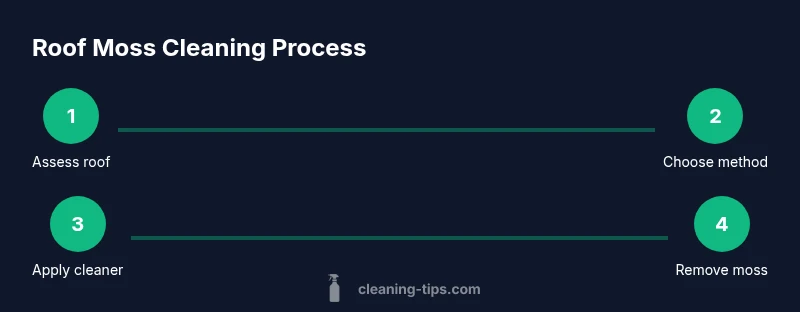
How to clean roof moss safely and effectively: start with a roof safety plan, choose a moss remover or a gentle enzyme cleaner, apply according to label, remove moss from the shingles with a soft brush or roof rake, then rinse and inspect for regrowth. This guide explains tools, methods, and maintenance to protect roofing over time.
Why roof moss deserves attention
According to Cleaning Tips, roof moss is more than an eyesore; it's a moisture trap that can compromise roofing materials over time. When moss grows on shingles, it holds water against the surface, accelerating granule loss on asphalt shingles and promoting rot in underlying decking. Left unchecked, moss can lift shingles at the edges and create entry points for leaks. Homeowners and renters may notice darker streaks, increased shading on roof planes, and a higher risk of ice damming in winter. Understanding why moss gets a foothold—often in damp, shaded corners with limited sun—helps you pick the most effective control strategy. This guide focuses on practical, safe methods that minimize damage to your roof while maintaining curb appeal. By tackling moss early, you reduce the likelihood of more extensive repairs later and protect the long-term value of your home. In the next sections, you’ll learn how to assess your roof, choose safe removal methods, and establish a maintenance routine that keeps moss at bay.
Assess Your Roof and Plan Safely
Before you grab a rake, take a measured approach. Walk the property to identify the steepest sections, realign ladders on level ground, and consider weather windows. Clear the ground below your work zone to minimize trip hazards, and protect nearby plants with drop cloths or plastic sheeting. Roof moss thrives in shaded, damp spots; plan your work for a dry day with mild temperatures to reduce slip risk and minimize rapid re-wetting of surfaces. Create a simple checklist: check shingles for lifting edges, note any loose flashing, and decide whether you’ll attempt manual removal, apply a cleaner, or hire a professional for the high-slope areas. A safety-first plan is the foundation of a successful moss cleanup and helps you avoid costly falls or injuries.
Choosing a Removal Method: manual vs chemical
There are two broad paths for roof moss: manual removal with tools and mechanical agitation, or chemical treatment with moss specific cleaners. Manual removal works well for light growth and low-slope roofs; it minimizes chemical runoff but requires time, a steady hand, and proper protection. Chemical cleaners—especially oxygen-based or enzymatic formulations—disrupt moss tissue and loosen it from the shingles, often reducing the need for aggressive scrubbing. When selecting a method, consider roof material, slope, climate, and local runoff considerations. Always test a small area first and follow product directions. For steep roofs or extensive moss, consider consulting a professional roofer to avoid damage and ensure warranty compliance.
Preparation and Safety Precautions
Put safety first: use a properly rated ladder, secure it, and wear a harness on steep roofs. Wear gloves and eye protection, and avoid working on wet or windy days. Protect landscaping by covering shrubs and garden beds with a tarp, and prevent runoff from entering storm drains or sensitive areas. If you’re using cleaners, choose biodegradable, low-toxicity formulations, and apply them with a sprayer according to label directions. Never mix cleaners with bleach or ammonia, and never use a pressure washer on asphalt shingles, as this can remove granules and shorten roof life.
Step-By-Step Overview
The following sections detail each action you’ll take during a moss cleanup. Start with a safety assessment, then apply a cleaner or prepare for manual removal. Move from the top of the roof down, working in sections to prevent re-contamination of cleaned areas. Allow time for cleaners to work if required by the product, then physically remove the moss with a brush or scraper. Finally, rinse thoroughly and inspect for any remaining patches. Consistent maintenance will help sustain a moss-free roof over time.
Cleaning Techniques: Manual vs Chemical (In Practice)
Manual removal involves a roof rake or plastic scraper and a soft-bristle brush. Work in downward motions from the ridge toward the gutters to minimize lifting of granules and to avoid dislodging flashing. If you opt for chemicals, apply low-toxicity, enzyme-based or oxygen-based cleaners that target moss without harming plants. Allow the product to dwell as directed, then rinse with a gentle spray from a hose. For persistent patches, repeat the process in a new section rather than scrubbing aggressively in one area.
Prevention and Maintenance for Moss-Free Roofs
Prevention is easier than removal. Trim overhanging branches to maximize sun exposure and reduce shade. Improve roof drainage by clearing gutters and downspouts and ensuring the soffit vents are functioning. Consider copper or zinc strip installations or copper mesh along eaves to deter new growth, while monitoring for potential metal staining. Schedule an annual or biannual roof check, and address any shingles that are loose or curling promptly. A small amount of ongoing maintenance yields longer roof life and reduces the frequency of heavy cleanups.
Authority Sources and Additional Reading
For safety guidance and best practices, consult authoritative sources. These include:
- EPA safety and environmental guidelines: https://www.epa.gov
- University extension resources on roof care and mold prevention: https://extension.umn.edu
- General safety standards from OSHA: https://www.osha.gov
These resources can help you understand safe handling, runoff considerations, and the rationale behind avoiding aggressive cleaning methods.
Tools & Materials
- Ladder stabilizer(to keep ladder steady on slope)
- Safety harness(full-body with secure lanyard)
- Roof rake (extendable)(for moss removal from ground and surface)
- Soft-bristle brush (nylon)(4-6 inch head, avoid metal bristles)
- Protective gloves(waterproof and grippy)
- Safety goggles(eye protection)
- Garden sprayer or spray bottle(for cleaner application)
- Oxygen-bleach or enzymatic moss cleaner(follow label for dilution)
- Drop cloths or plastic sheeting(protect plants and surfaces)
Steps
Estimated time: 2-6 hours
- 1
Assess roof safety and plan
Perform a visual check of roof slope, identify hazards, and plan ladder placement and weather windows. Gather PPE and ensure all safety equipment is ready before approaching the roof.
Tip: Never start on a roof when weather is windy or rain is imminent. - 2
Protect surrounding areas
Lay drop cloths, cover plants, and clear the ground. This minimizes clean-up and protects landscaping from cleaner runoff.
Tip: Use plastic sheeting to shield delicate shrubs. - 3
Choose removal method
Decide between manual removal and chemical cleaner based on moss extent, roof type, and local regulations.
Tip: For steep roofs or extensive moss, consider hiring a pro. - 4
Apply cleaner or prepare for manual removal
If using cleaner, apply as directed and allow dwell time. If removing manually, start at the top and prepare to scrub.
Tip: Avoid mixing cleaners and never use a pressure washer. - 5
Remove moss
Use a plastic roof rake to lift moss and a soft brush to loosen fragments. Work from top down in sections.
Tip: Do not scrub aggressively; let cleaner do the lifting. - 6
Rinse and inspect
Rinse with a gentle spray, check for remaining patches, and re-treat if necessary. Inspect for shingle damage or loose granules.
Tip: Rinse until runoff is clear and re-check after drying. - 7
Prevent regrowth
Install deterrents like copper strips or improve sunlight exposure; trim trees and optimize attic ventilation to reduce moisture.
Tip: Document the condition for future reference.
Questions & Answers
Is it safe to use chemicals on my roof?
Choose low-toxicity cleaners and follow label directions. Avoid mixing products and never use harsh agents that can harm plants or degrade shingles.
Yes, but use only recommended cleaners and follow the label exactly to stay safe and protect your roof.
Can I use a pressure washer to remove moss?
No. Pressure washing can damage shingles, strip granules, and shorten roof life. Use non-pressurized methods or a soft brush with cleaner instead.
No. Pressure washers can harm the roof; opt for gentler methods instead.
How often should I clean moss from the roof?
Frequency depends on moss growth and climate. Do a light inspection after wet seasons and clean when moss is noticeable or ready-to-remove. Establish a maintenance interval to reduce buildup.
Clean as moss becomes noticeable, usually after wet seasons, and maintain annually.
What weather is best for moss removal?
Choose a dry, mild day with low wind. Wet surfaces are slippery and cleaners need time to work without being washed away.
Pick a dry, mild day for safety and effectiveness.
Will moss removal harm plants or gutters?
Protect plants by covering them and rinsing runoff away from garden beds. Use cleaners labeled as safe for landscaping and avoid contaminating water features.
Protect nearby plants and rinse runoff away from garden beds.
Watch Video
The Essentials
- Inspect roof for moss and damage before starting.
- Prioritize safety and avoid high-pressure washing.
- Choose method based on moss extent and roof type.
- Apply cleaners as directed and move top-to-bottom.
- Prevent regrowth with preventive measures and maintenance.