How to Clean a Fish Aquarium: Step-by-Step Guide
Learn how to clean a fish aquarium safely and effectively with a practical, step-by-step approach. Includes partial water changes, gravel cleaning, glass maintenance, and maintaining beneficial bacteria for a healthy tank.


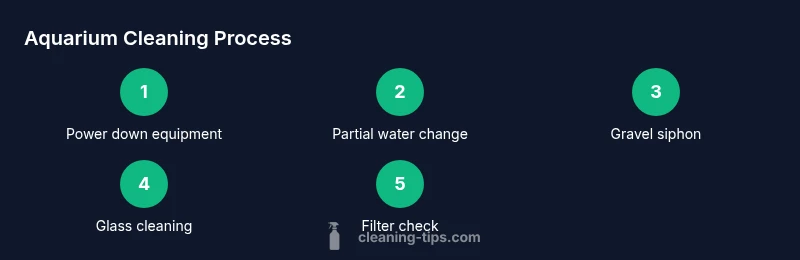
Goal: refresh aquarium conditions by cleaning without stressing fish. Start by turning off equipment, testing water parameters, and preparing a partial water change (about a portion of volume). Remove visible debris with a gravel siphon, scrub glass with an algae magnet, rinse decorations, and gently wipe the filter intake. Refill with treated water, recheck temperature, and resume filtration.
Why Regular Cleaning Keeps Fish Healthy
Maintaining a clean fish aquarium is more than aesthetics; it directly impacts fish health and overall tank stability. A well-cleaned tank reduces harmful compounds like ammonia and nitrite, controls algae growth, and helps keep oxygen levels balanced. Regular maintenance also gives you a chance to spot issues early—such as a fluctuating heater, a clogged filter, or sick fish—before they become emergencies. According to Cleaning Tips, a routine clean is part of responsible home aquarium ownership and supports a healthier, longer life for aquatic pets. By adopting a calm, methodical approach, you minimize stress for your fish and make the water chemistry easier to manage over time.
In practical terms, you’re aiming for clarity, consistency, and gentle handling. Abrupt changes to temperature, salinity, or decor can shock fish. The goal is to refresh water and remove waste while preserving the beneficial bacteria that keep the nitrogen cycle humming. This balance—between cleaning and stability—is the cornerstone of successful aquarium care.
For most hobbyists, think of cleaning as a series of small, repeatable steps rather than a single dramatic overhaul. A calm routine reduces risk and builds confidence. The Cleaning Tips team emphasizes that predictable, incremental maintenance yields the best long-term results for both fish and plants. Build your routine around your tank’s size, stocking level, and filtration, then tune it as you gain experience.
As you start, invest a little time to observe your fish’s reactions. If you notice signs of stress, slow down and adjust your approach. Patience pays off when you’re balancing water quality with the wellbeing of your aquatic inhabitants.
Key takeaway: Consistency and gentle handling protect your fish and keep your tank thriving over time.
note():null},{
Tools & Materials
- Gravel siphon or gravel vacuum(Used for removing debris from the substrate during partial water changes.)
- Algae scraper or magnetic cleaner(For cleaning algae off the glass without scratching.)
- Dechlorinator / water conditioner(Treat new water to remove chlorine and chloramines before adding it to the tank.)
- Thermometer(Monitor water temperature to match the tank during and after cleaning.)
- Buckets or a clean container for water(Labeled specifically for aquarium water to prevent contamination.)
- Soft brush or toothbrush(Gentle cleaning of decor without damaging surfaces.)
- Clean containers for decor rinsing(Rinse tank decorations and ensure no soap residues are present.)
- Replacement filter media (if needed)(Only as directed by the manufacturer; avoid complete replacement during cleaning to protect beneficial bacteria.)
Steps
Estimated time: 60-75 minutes
- 1
Prepare the workspace and power down
Turn off and unplug all heaters, filters, and lighting to avoid shocks and accidents. Remove anything that might be affected by water or current and lay out towels to catch spills. This initial step protects both you and your aquatic inhabitants while you prepare the tank for cleaning.
Tip: Lock out electricity to the tank area to prevent accidental re-energizing during the cleaning session. - 2
Plan the partial water change
Decide how much water to replace so you refresh the tank without shocking the fish. Prepare treated water in a clean container, letting it reach the same temperature as the tank before adding it back.
Tip: Always add dechlorinated water last and avoid rapid temperature shifts. - 3
Vacuum the gravel and remove debris
Gently siphon through the substrate to remove waste and uneaten food. Move the siphon slowly to avoid disturbing plant roots and to minimize sediment resuspension.
Tip: Work in small sections to prevent disturbing the tank more than necessary. - 4
Clean the glass and visible surfaces
Use an algae scraper or magnetic cleaner to remove algae from the inside glass. Wipe the exterior surfaces with a damp cloth if needed, ensuring no cleaners touch the aquarium water.
Tip: Never use household cleaners inside the tank; residues can be toxic to fish. - 5
Rinse decor and inspect decorations
Remove and rinse decorations in the old tank water or conditioned water. Inspect for wear or damage and replace if necessary, ensuring no sharp edges harm the fish.
Tip: Never use soap on decor; soap residues can harm aquatic life. - 6
Check and lightly rinse filter media
If you perform a filter maintenance, rinse media gently in old tank water to preserve beneficial bacteria. Do not wash all media at once or use fresh water, which can kill critical bacteria.
Tip: Only clean what is necessary to maintain filtration and stability. - 7
Refill, re-test, and reintroduce life
Slowly add treated water until the tank reaches the desired level. Reinstall equipment, recheck temperature and water parameters, and observe fish for signs of stress. Resume filtration and lighting as appropriate.
Tip: Take extra care to avoid rapid environmental fluctuations that stress livestock. - 8
Observe the tank for the next 24–48 hours
Monitor ammonia, nitrite, and nitrate indicators if you have a test kit, and watch fish behavior for any unusual signs. A calm, gradual re-start supports recovery and long-term health.
Tip: Keep a log of parameters and observations to guide future cleanings.
Questions & Answers
How often should I clean a fish aquarium?
Most hobbyists perform a routine partial water change weekly and a light surface clean every week or two. More frequent cleaning helps if you have high stock or fragile species, but avoid aggressive changes that stress the fish.
Many hobbyists do a weekly partial water change and light glass cleaning. If your tank is heavily stocked, you may need more frequent but gentle maintenance.
Is gravel vacuuming necessary at every cleaning?
Gravel cleaning helps remove buried waste that can accumulate. Vacuuming should be done as part of regular maintenance, but avoid excessive disturbance of the substrate.
Regular gravel cleaning is important, but don’t overdo it—gentle, thorough cleaning is better than aggressive scrubbing.
Can I clean the filter every time I clean the tank?
Rinse filter media in old tank water when you service the filter, but avoid replacing all media at once. This preserves beneficial bacteria that help break down waste.
Rinse in old tank water to protect the good bacteria; don’t replace all media during every cleaning.
What temperature range should I match during water changes?
Keep new water within 1-2 degrees Celsius of the tank water to prevent temperature shock for the fish.
Match the water temperature as closely as you can to avoid stressing the fish.
What if I spill water outside the tank during cleaning?
Mop up spills promptly to prevent slipping and to keep surfaces from getting moldy. Return any displaced decorations carefully.
Wipe up spills right away and make sure everything is back in place before reintroducing fish.
Should I remove carbon from the filter during cleaning?
If you use activated carbon, you can temporarily replace it during routine cleaning, but reintroduce it after finishing the cleaning to maintain chemical filtration.
If you use carbon, you can remove it temporarily, but replace it after cleaning to keep chemical filtration going.
Watch Video
The Essentials
- Start with safety: power down and prep a clean work area
- Perform a measured partial water change to refresh conditions
- Use proper tools to vacuum gravel and clean glass
- Preserve beneficial bacteria by avoiding over-cleaning and using old tank water for rinsing
- Re-test water parameters after refilling and observe fish for stress signals